



-
93
Fleur de Miraval Brut Rosé Non millésimé
Brut
Blend
Champagne Fleur de Miraval
€450.00
/ 75 cl : Bottle
1 in stock
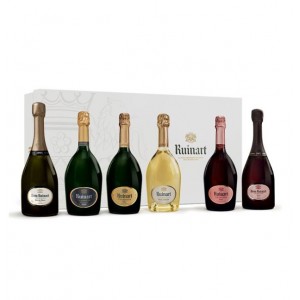
Ruinart L'intégrale Non millésimé
Ruinart
€880.00
/ Coffret

6 in stock
Taittinger Nocturne Rosé Non millésimé
Sec
Blend
Champagne Taittinger
€74.00
/ 75 cl : Bottle

Brocard Pierre L'Egarée Non millésimé
Brut Nature
Blend
Champagne Brocard Pierre
€63.00
/ 75 cl : Bottle

2 in stock
-
90
-
91
Taittinger Prestige Rosé Non millésimé
Brut
Blend
Champagne Taittinger
€69.00
/ 75 cl : Bottle

3 in stock
Besserat de Bellefon Cuvée BB 1843 Coffret Non millésimé
Brut
Blend
Champagne Besserat de Bellefon
€210.00
/ 75 cl : Bottle

1 in stock
Besserat de Bellefon Cuvée Brigitte Bardot... Non millésimé
Brut
Blend
Champagne Besserat de Bellefon
€246.00
/ 75 cl : Bottle

2 in stock
Georges Laval Cumières Premier Cru Brut... 2017
Brut Nature
Blend
Champagne Georges Laval
€640.00
/ 300 cl : Jéroboam

1 in stock
-
90
-

Georges Laval Cumières Premier Cru Brut... 2016
Brut Nature
Blend
Champagne Georges Laval
€540.00
/ 300 cl : Jéroboam

6 in stock
Charles Heidsieck Brut Millésimé 2013
Brut
Blend
Champagne Charles Heidsieck
€103.00
/ 75 cl : Bottle

-
93
Armand de Brignac Brut Gold Non millésimé
Brut
Blend
Armand de Brignac
€340.00
/ 75 cl : Bottle

Val Frison Portlandia Brut Nature Non millésimé
Brut Nature
Blend
Champagne Val Frison
€56.00
/ 75 cl : Bottle

6 in stock
Val Frison Lalore Blanc de Blancs Brut Nature 2019
Brut Nature
Blanc de Blancs
Champagne Val Frison
€63.00
/ 75 cl : Bottle

1 in stock
Besserat de Bellefon Réserve Collection 1985
Brut
Blend
Champagne Besserat de Bellefon
€265.00
/ 75 cl : Bottle

1 in stock
Fleur de Miraval Petite Fleur Brut Rosé Non millésimé
Brut
Blend
Champagne Fleur de Miraval
€91.00
/ 75 cl : Bottle

1 in stock
Besserat de Bellefon Réserve Collection 1990
Brut
Blend
Champagne Besserat de Bellefon
€302.00
/ 75 cl : Bottle

1 in stock
Besserat de Bellefon Réserve Collection 1992
Brut
Blend
Champagne Besserat de Bellefon
€227.00
/ 75 cl : Bottle

3 in stock
Gosset Celebris Vintage Extra Brut 2012
Extra Brut
Blend
Champagne Gosset
€252.00
/ 75 cl : Bottle
4 in stock
Cazé-Thibaut Cuvée Cramant Extra-Brut 2020
Extra Brut
Blanc de Blancs
Champagne Cazé-Thibaut
€106.00
/ 75 cl : Bottle

2 in stock
Veuve Clicquot La Grande Dame Coffret 2012
Brut
Blend
Champagne Veuve Clicquot
€270.00
/ 75 cl : Bottle
1 in stock
-
95+
Billecart Salmon Brut Le Clos Saint Hilaire 2006
Brut
Blanc de Noirs
Champagne Billecart Salmon
€480.00
/ 75 cl : Bottle
1 in stock
-
95
Billecart Salmon Brut Le Clos Saint Hilaire 2005
Brut
Blanc de Noirs
Champagne Billecart Salmon
€480.00
/ 75 cl : Bottle
1 in stock
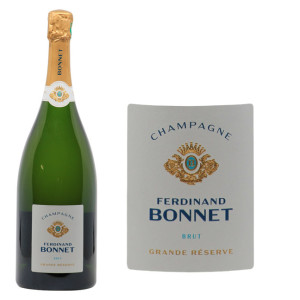
Bonnet Brut Grande Réserve Non millésimé
Brut
Blend
Champagne Bonnet
€239.00
/ 300 cl : Jéroboam
5 in stock
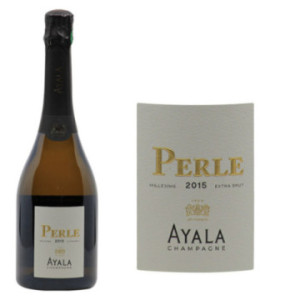
Ayala Perle d'Ayala 2015
Brut
Blend
Champagne Ayala
€171.00
/ 75 cl : Bottle

2 in stock
-
95
-
92
Dom Pérignon Coffret 2010
Brut
Blend
Dom Pérignon
€795.00
/ 150 cl : Magnum

Krug Rosé 27ème Edition Non millésimé
Brut
Blend
Champagne Krug
€420.00
/ 75 cl : Bottle

3 in stock
-
95
-
Georges Laval Les Longues Violes Premier... 2015
Brut Nature
Blanc de Noirs
Champagne Georges Laval
€595.00
/ 75 cl : Bottle

1 in stock
Cazé-Thibaut Rosé Cuvée Jossias Brut Nature Non millésimé
Brut Nature
Rosé de Saignée
Champagne Cazé-Thibaut
€62.00
/ 75 cl : Bottle


Leclerc Briant Les Basses Prières 1er Cru 2016
Brut Nature
Blend
Champagne Leclerc Briant
€153.00
/ 75 cl : Bottle

3 in stock
-
91
Coessens Largillier Exogyre Non millésimé
Extra Brut
Blanc de Noirs
Champagne Coessens
€91.00
/ 75 cl : Bottle

4 in stock
Dom Pérignon Rosé 2009
Brut
Blend
Dom Pérignon
€481.00
/ 75 cl : Bottle

5 in stock
-
92
-
94
Doyard Révolution Grand Cru Blanc de... Non millésimé
Brut Nature
Blanc de Blancs
Champagne Doyard
€142.00
/ 150 cl : Magnum

3 in stock
Ayala Rosé Majeur Non millésimé
Brut
Blend
Champagne Ayala
€61.00
/ 75 cl : Bottle

Roederer Blanc de Blancs Vintage 2019
Brut
Blanc de Blancs
Louis Roederer
€100.00
/ 75 cl : Bottle

Ayala Brut Majeur Extra-Brut Non millésimé
Extra Brut
Blend
Champagne Ayala
€45.00
/ 75 cl : Bottle

Deutz Amour De Deutz Rosé 2013
Brut
Blend
Champagne Deutz
€205.00
/ 75 cl : Bottle
4 in stock
-
91
-
94
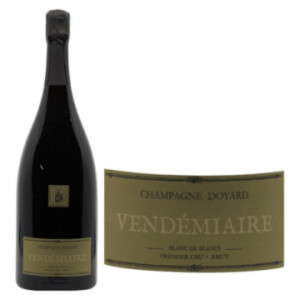
Doyard Vendémiaire 1er Cru Blanc de Blancs... Non millésimé
Brut
Blanc de Blancs
Champagne Doyard
€108.00
/ 150 cl : Magnum

Mouzon-Leroux Les Fervins 2018
Brut Nature
Blend
Mouzon-Leroux
€94.00
/ 75 cl : Bottle

6 in stock
Georges Laval Cumières Premier Cru Brut... 2021
Brut Nature
Blend
Champagne Georges Laval
€238.00
/ 150 cl : Magnum
1 in stock
Georges Laval Les Longues Violes Premier... 2014
Brut Nature
Blanc de Noirs
Champagne Georges Laval
€722.00
/ 75 cl : Bottle
6 in stock
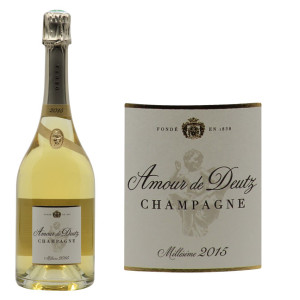
Deutz Amour De Deutz 2015
Brut
Blanc de Blancs
Champagne Deutz
€201.00
/ 75 cl : Bottle

4 in stock
Alexandre Bonnet Rosé Les Contrées 2019
Extra Brut
Blanc de Noirs
Alexandre Bonnet
€90.00
/ 75 cl : Bottle

Moët & Chandon Brut Nature Collection... Non millésimé
Brut Nature
Blend
Moët & Chandon
€235.00
/ 75 cl : Bottle

-
93
Roger Coulon L'Hommée Non millésimé
Extra Brut
Blend
Champagne Roger Coulon
€69.90
/ 75 cl : Bottle

-
91
Labruyère Grand Cru Prologue Non millésimé
Extra Brut
Blend
Champagne Labruyère
€43.00
/ 75 cl : Bottle
1 in stock
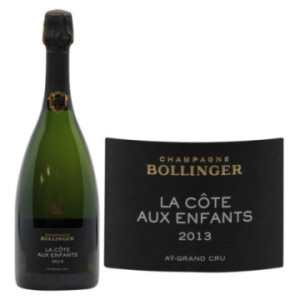
Bollinger Brut Blanc de Noirs Grand Cru... 2013
Brut
Blanc de Noirs
Champagne Bollinger
€1,490.00
/ 75 cl : Bottle

-
94
-
Leclerc Briant Blanc de Meuniers 1er Cru Non millésimé
Brut Nature
Blanc de Noirs
Champagne Leclerc Briant
€153.00
/ 75 cl : Bottle
Roederer Brut Nature Starck 2018
Brut Nature
Blend
Louis Roederer
€95.00
/ 75 cl : Bottle

-
90
-
93
Laurent-Perrier Blanc de Blancs Brut Nature Non millésimé
Brut Nature
Blanc de Blancs
Champagne Laurent-Perrier
€109.00
/ 75 cl : Bottle
1 in stock
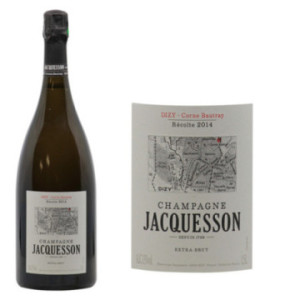
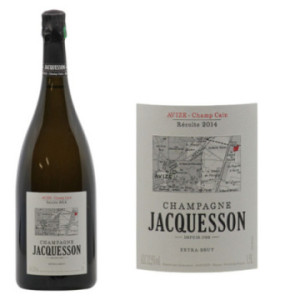
Jacquesson Dizy Corne Bautray 2014
Extra Brut
Blanc de Blancs
Champagne Jacquesson
€405.00
/ 150 cl : Magnum
1 in stock
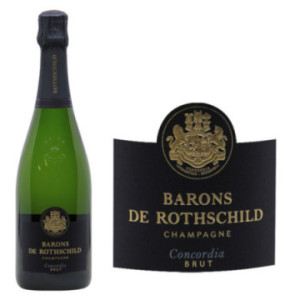
Jacquesson Avize Champ Cain 2014
Extra Brut
Blanc de Blancs
Champagne Jacquesson
€441.00
/ 150 cl : Magnum
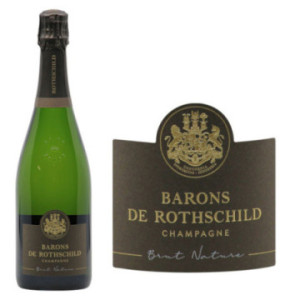
Baron de Rotschild Concordia Brut Non millésimé
Brut
Blend
Barons de Rothschild
€55.00
/ 75 cl : Bottle
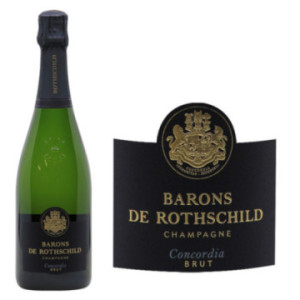
Baron de Rotschild Brut Nature Non millésimé
Brut Nature
Blend
Barons de Rothschild
€62.00
/ 75 cl : Bottle
Baron de Rotschild Concordia Brut Non millésimé
Brut
Blend
Barons de Rothschild
€55.00
/ 75 cl : Bottle

6 in stock
-
90
-
A. Lamblot Brut Nature Mouvance 17 Non millésimé
Brut Nature
Blend
Champagne A. Lamblot
€65.00
/ 75 cl : Bottle

4 in stock
Pierre Paillard Les Mottelettes Grand Cru 2018
Extra Brut
Blanc de Blancs
Pierre Paillard
€117.00
/ 75 cl : Bottle
5 in stock
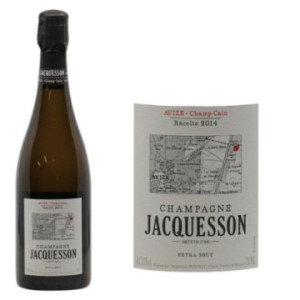
Jacquesson Avize Champ Cain 2014
Extra Brut
Blanc de Blancs
Champagne Jacquesson
€207.00
/ 75 cl : Bottle
3 in stock
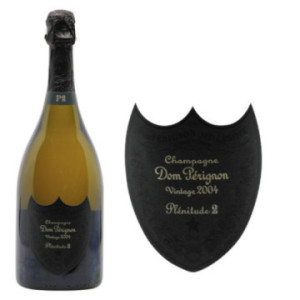
Dom Pérignon Coffret Plénitude Deuxième 2004
Brut
Blend
Dom Pérignon
€480.00
/ 75 cl : Bottle
3 in stock
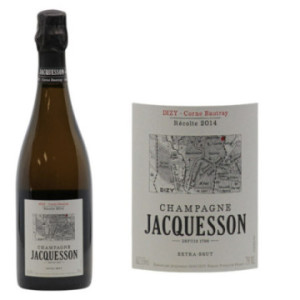
Jacquesson Dizy Corne Bautray 2014
Extra Brut
Blanc de Blancs
Champagne Jacquesson
€189.00
/ 75 cl : Bottle

2 in stock
Georges Laval Les Hautes Chèvres Premier... 2021
Brut Nature
Blanc de Noirs
Champagne Georges Laval
€236.00
/ 75 cl : Bottle
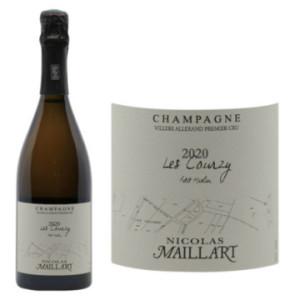
Nicolas Maillart Jolivettes Grand Cru 2020
Extra Brut
Blanc de Noirs
Champagne Nicolas Maillart
€99.00
/ 75 cl : Bottle

Françoise Bedel Jouvence 2013
Brut
Blend
Champagne Françoise Bedel
€136.00
/ 75 cl : Bottle

2 in stock
-
90
Roger Coulon Heri Hodie Non millésimé
Extra Brut
Blanc de Noirs
Champagne Roger Coulon
€56.00
/ 75 cl : Bottle

3 in stock
Girard-Bonnet Mon Village Grand Cru... Non millésimé
Extra Brut
Blanc de Blancs
Domaine Girard-bonnet
€67.00
/ 75 cl : Bottle

Brocard Pierre Tradition NV Non millésimé
Brut
Blend
Champagne Brocard Pierre
€36.00
/ 75 cl : Bottle
2 in stock
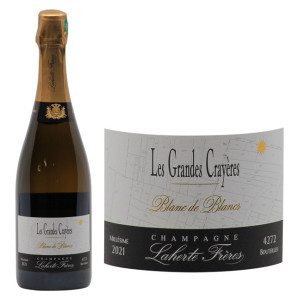
Laherte Frères Blanc de Blancs Les Grandes... 2021
Extra Brut
Blanc de Blancs
Champagne Laherte Frères
€77.00
/ 75 cl : Bottle

Thomas de Marne Holistique Brut Nature Non millésimé
Brut Nature
Blend
Champagne Thomas de Marne
€62.00
/ 75 cl : Bottle

5 in stock
Adrien Renoir Lieu-dit Les Vignes Goisses... 2020
Extra Brut
Blanc de Noirs
Champagne Adrien Renoir
€124.00
/ 75 cl : Bottle

5 in stock
Francis Boulard Les Rachais Rosé Extra-Brut 2014
Extra Brut
Rosé de Saignée
Champagne Francis Boulard et Fille
€90.00
/ 75 cl : Bottle

Françoise Bedel Comme Autrefois 2006
Brut
Blend
Champagne Françoise Bedel
€120.00
/ 75 cl : Bottle

6 in stock
Fleury Millésime Extra-Brut 2010
Extra Brut
Blend
Champagne Fleury
€108.00
/ 75 cl : Bottle

3 in stock
-
90
-
Francis Boulard Les Rachais Rosé Extra-Brut 2009
Extra Brut
Rosé de Saignée
Champagne Francis Boulard et Fille
€90.00
/ 75 cl : Bottle
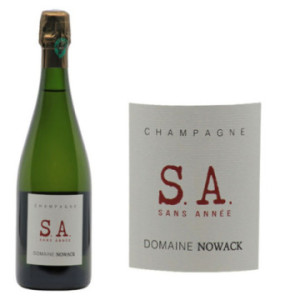
Nowack Cuvée S.A Extra-Brut Non millésimé
Extra Brut
Blend
Champagne Nowack
€45.00
/ 75 cl : Bottle

-
91
-
94+
Roger Coulon Esprit de Vrigny Non millésimé
Brut Nature
Blend
Champagne Roger Coulon
€93.00
/ 75 cl : Bottle
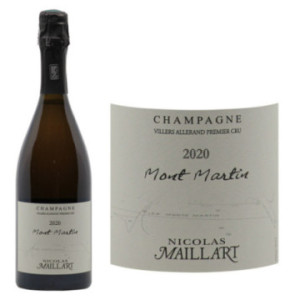
Nicolas Maillart Mont Martin 1er Cru 2020
Brut Nature
Blanc de Noirs
Champagne Nicolas Maillart
€81.00
/ 75 cl : Bottle
3 in stock
-
93+
-
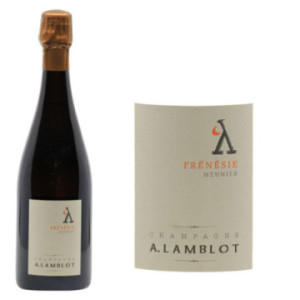
A. Lamblot Brut Nature Frénésie Non millésimé
Brut Nature
Blanc de Noirs
Champagne A. Lamblot
€87.00
/ 75 cl : Bottle

3 in stock
Alexandre Bonnet Blanc de Blancs Non millésimé
Extra Brut
Blanc de bl
Alexandre Bonnet
€53.00
/ 75 cl : Bottle
4 in stock
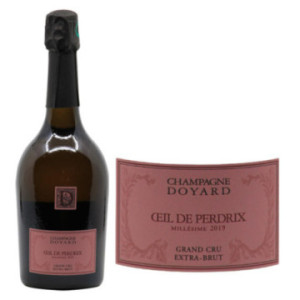
Doyard Oeil de Perdrix Rosé Extra-Brut 2019
Extra Brut
Blend
Champagne Doyard
€115.00
/ 75 cl : Bottle

5 in stock
JmSélèque Quintette Non millésimé
Extra Brut
Blanc de Blancs
JmSelèque
€52.00
/ 75 cl : Bottle
4 in stock
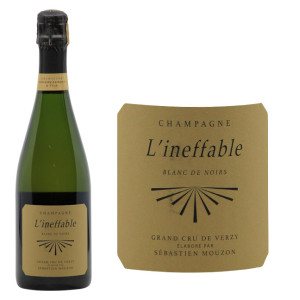
Mouzon-Leroux l'Inéffable 2019
Extra Brut
Blanc de Noirs
Mouzon-Leroux
€60.00
/ 75 cl : Bottle

1 in stock
-
95+
Taittinger Comtes de Champagne 2012
Brut
Blanc de Blancs
Champagne Taittinger
€230.00
/ 75 cl : Bottle
4 in stock
-
89
-
93
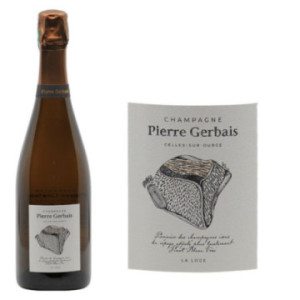
Pierre Gerbais La Loge Non millésimé
Extra Brut
Blanc de Blancs
Champagne Pierre Gerbais
€81.00
/ 75 cl : Bottle

-
91
-
94
Pierre Paillard Les Terres Roses Grand Cru Non millésimé
Extra Brut
Blend
Pierre Paillard
€63.00
/ 75 cl : Bottle
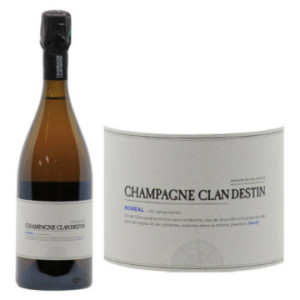
Clandestin Boréal 2022
Brut Nature
Blanc de Noirs
Champagne Clandestin
€63.00
/ 75 cl : Bottle

2 in stock
-
91
-
90
Coessens Largillier Les Sens Boisés Non millésimé
Extra Brut
Blanc de Noirs
Champagne Coessens
€76.00
/ 75 cl : Bottle

-
94
Deutz Cuvée William Deutz 2013
Brut
Blend
Champagne Deutz
€163.00
/ 75 cl : Bottle

-
90
Delamotte Blanc de Blancs Non millésimé
Brut
Blanc de Blancs
Champagne Delamotte
€60.00
/ 75 cl : Bottle
6 in stock
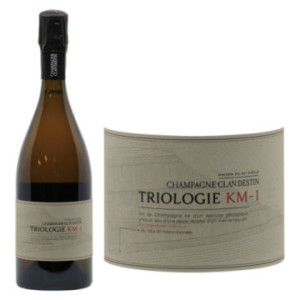
Clandestin Triologie KM-1 Non millésimé
Brut Nature
Blanc de Noirs
Champagne Clandestin
€144.00
/ 75 cl : Bottle
6 in stock
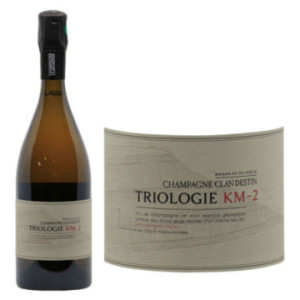
Clandestin Triologie KM-2 Non millésimé
Brut Nature
Blanc de Noirs
Champagne Clandestin
€144.00
/ 75 cl : Bottle
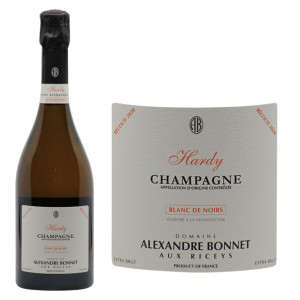
Alexandre Bonnet Hardy 2020
Extra Brut
Blanc de Noirs
Alexandre Bonnet
€58.00
/ 75 cl : Bottle
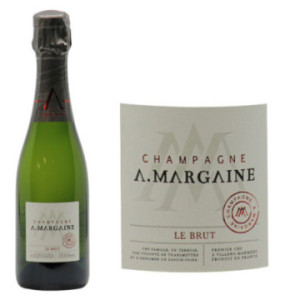
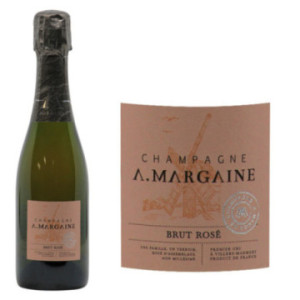
A. Margaine Le Brut Non millésimé
Brut
Blend
Champagne A. Margaine
€20.00
/ 37.5 cl : 1/2 Bottle
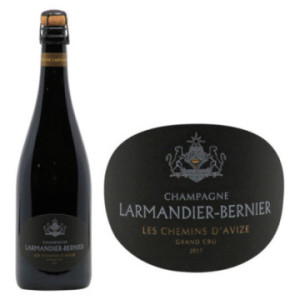
A. Margaine Le Rosé Non millésimé
Brut
Blend
Champagne A. Margaine
€24.00
/ 37.5 cl : 1/2 Bottle
Larmandier-Bernier Les Chemins d'Avize 2017
Extra Brut
Blanc de Blancs
Champagne Larmandier-Bernier
€152.00
/ 75 cl : Bottle

-
90
-
90
Laherte Frères Rosé de Meunier Non millésimé
Extra Brut
Rosé de Saignée
Champagne Laherte Frères
€50.00
/ 75 cl : Bottle

Moët & Chandon Brut Impérial Non millésimé
Brut
Blend
Moët & Chandon
€53.00
/ 75 cl : Bottle

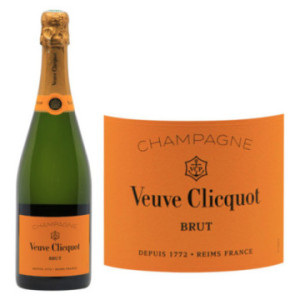
Robert Barbichon Réserve 4 Cépages Extra-Brut Non millésimé
Extra Brut
Blend
Champagne Robert Barbichon
€34.00
/ 75 cl : Bottle
Veuve Clicquot Brut Non millésimé
Brut
Blend
Champagne Veuve Clicquot
€64.00
/ 75 cl : Bottle

Dom Pérignon Coffret 2018
Brut
Blend
Dom Pérignon
€295.00
/ 75 cl : Bottle

3 in stock
-
90
Besserat de Bellefon Blanc de Blancs Non millésimé
Brut
Blanc de Blancs
Champagne Besserat de Bellefon
€52.00
/ 75 cl : Bottle

3 in stock
Val Frison L'Eclos de la Côte Blanc de... 2017
Brut Nature
Blanc de Noirs
Champagne Val Frison
€63.00
/ 75 cl : Bottle

6 in stock
-
94
Bollinger PN AYC18 Non millésimé
Extra Brut
Blanc de Noirs
Champagne Bollinger
€122.00
/ 75 cl : Bottle

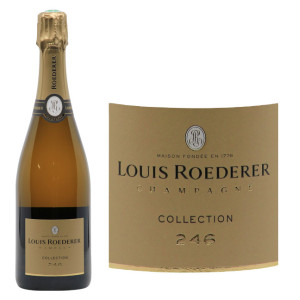
Robert Barbichon Brut Nature Non millésimé
Brut Nature
Blend
Champagne Robert Barbichon
€41.00
/ 75 cl : Bottle
Roederer Collection 246 Non millésimé
Brut
Blend
Louis Roederer
€60.00
/ 75 cl : Bottle

-
91
-
92
-
Mouzon-Leroux Rosé de Saignée l'Incandescent Non millésimé
Extra Brut
Rosé de Saignée
Mouzon-Leroux
€45.00
/ 75 cl : Bottle
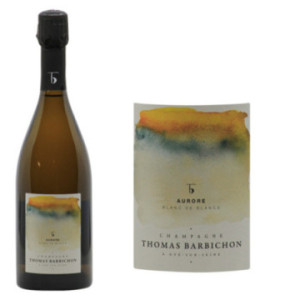
Thomas Barbichon Aurore Blanc de Blancs... Non millésimé
Extra Brut
Blanc de Blancs
Champagne Thomas Barbichon
€41.00
/ 75 cl : Bottle
4 in stock
-
92
-
93
-
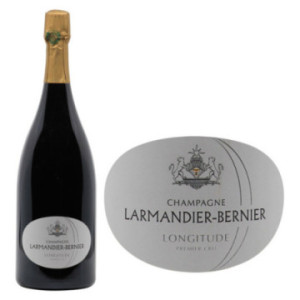
Larmandier-Bernier "Longitude" Premier Cru Non millésimé
Extra Brut
Blanc de Blancs
Champagne Larmandier-Bernier
€152.00
/ 150 cl : Magnum

4 in stock
Perrier Jouet Belle Epoque 2014
Brut
Blend
Perrier Jouët
€181.00
/ 75 cl : Bottle
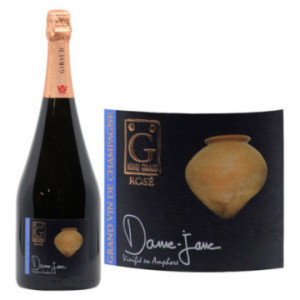
Henri Giraud Dame Jane Rosé Non millésimé
Brut
Blend
Henri Giraud
€162.00
/ 150 cl : Magnum

-
90
-
91
A. Margaine Extra Brut Non millésimé
Extra Brut
Blanc de Blancs
Champagne A. Margaine
€43.00
/ 75 cl : Bottle

3 in stock
JmSélèque Solessence Nature Non millésimé
Brut Nature
Blend
JmSelèque
€52.00
/ 75 cl : Bottle
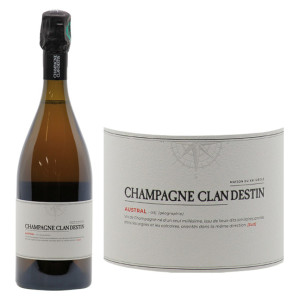
Clandestin Austral 2020
Brut Nature
Blanc de Noirs
Champagne Clandestin
€66.00
/ 75 cl : Bottle
-
92
-
92
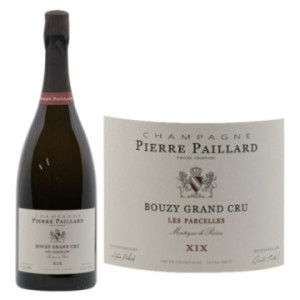
Pierre Paillard Les Parcelles Grand Cru Non millésimé
Extra Brut
Blend
Pierre Paillard
€99.00
/ 150 cl : Magnum

-
92
-
92
Pierre Paillard Les Parcelles Grand Cru Non millésimé
Extra Brut
Blend
Pierre Paillard
€45.00
/ 75 cl : Bottle
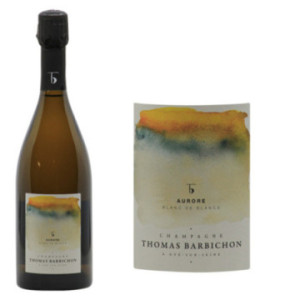
Thomas Barbichon Aurore Blanc de Blancs... Non millésimé
Extra Brut
Blanc de Blancs
Champagne Thomas Barbichon
€41.00
/ 75 cl : Bottle

6 in stock
-
92
-
90
Coessens Largillier Rosé Non millésimé
Brut
Rosé de Saignée
Champagne Coessens
€70.00
/ 75 cl : Bottle

-
90
-
94
Coessens Largillier Brut Nature Non millésimé
Brut Nature
Blanc de Noirs
Champagne Coessens
€70.00
/ 75 cl : Bottle

Henri Giraud Hommage au Pinot Noir Non millésimé
Brut
Blanc de Noirs
Henri Giraud
€90.00
/ 75 cl : Bottle
3 in stock
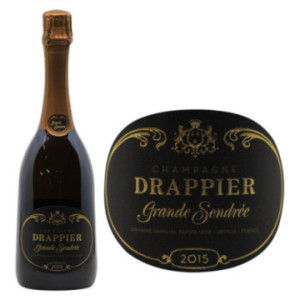
Drappier Grande Sendrée 2015
Extra Brut
Blend
Champagne Drappier
€111.00
/ 75 cl : Bottle

Laherte Frères Blanc de Blancs Brut Nature Non millésimé
Brut Nature
Blanc de Blancs
Champagne Laherte Frères