

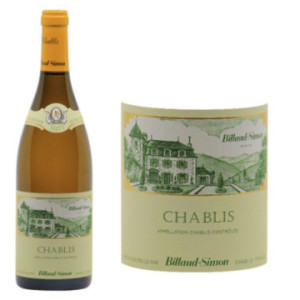
Chablis 2023
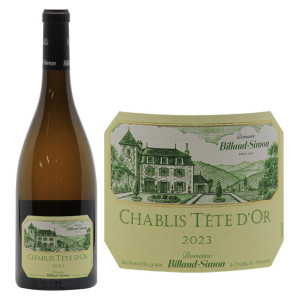
Chablis "Tête d'Or" 2023
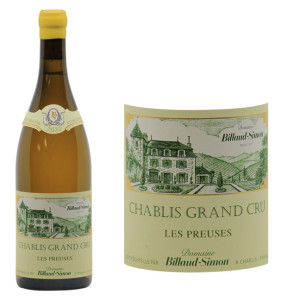
Chablis Grand Cru Les Preuses 2023
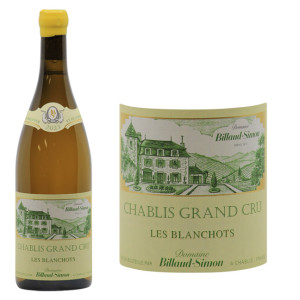
Chablis Grand Cru Blanchot 2023
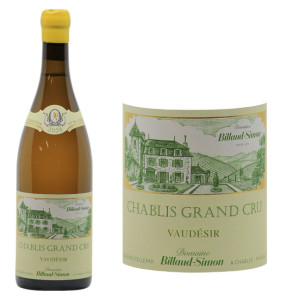
Chablis Grand Cru Vaudésir 2024
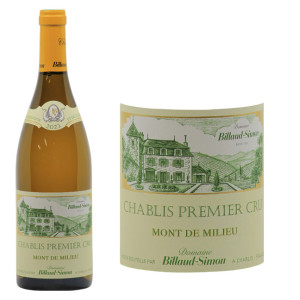
Chablis 1er Cru Mont de Milieu 2023
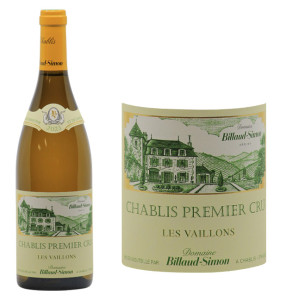
Chablis 1er Cru Vaillons 2023
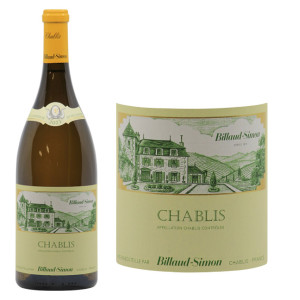
Chablis 2023
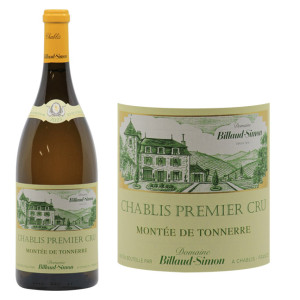
Chablis 1er Cru Montée de Tonnerre 2023
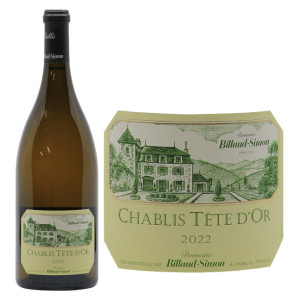
Chablis "Tête d'Or" 2022
A family heritage since 1815
Established in 1815 by Charles Louis Noël Billaud upon his return from the Napoleonic Wars, Domaine Billaud-Simon stands as an iconic producer in the Chablis region. Since its inception, the estate has been dedicated to crafting wines that reflect the purity and minerality characteristic of Chardonnay grown on Chablis' unique terroirs.
Exceptional vineyards in the heart of Chablis
The estate encompasses 17 hectares of vineyards spread across prestigious parcels, including four Grand Crus: Les Clos, Vaudésir, Les Preuses, and Les Blanchots, as well as four renowned Premier Crus: Montée de Tonnerre, Fourchaume, Mont de Milieu, and Les Vaillons. These vineyards, located on both sides of the Serein River, benefit from Kimmeridgian soils rich in marine fossils, imparting unparalleled minerality and complexity to the wines.
Winemaking blending tradition and modernity
Through generations, Domaine Billaud-Simon has preserved traditional methods while integrating modern techniques to enhance each vintage. Fermentations primarily occur in temperature-controlled stainless steel tanks, ensuring a pure expression of the fruit. Certain cuvées, such as Premier Cru Mont de Milieu Vieilles Vignes and Grand Cru Blanchots Vieilles Vignes, undergo aging in large oak barrels, adding complexity without overshadowing the terroir's distinct character.
Wines renowned for their finesse and freshness
Domaine Billaud-Simon's Chablis wines are celebrated for their balance, elegance, and authentic expression of Chardonnay. Notes of citrus, white-fleshed fruits, and white flowers intertwine with a saline minerality, offering wines that are both refreshing and complex. These attributes make them ideal companions for seafood, grilled fish, or aged cheeses.
A commitment to quality and terroir preservation
Since its acquisition by the Faiveley family in 2014, Domaine Billaud-Simon continues to operate independently, with its own winery and dedicated team. The estate maintains a steadfast commitment to sustainable viticulture, respecting the environment to preserve the richness and diversity of its terroirs for future generations.