

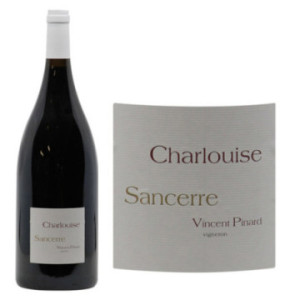
Sancerre Rouge "Charlouise" 2023
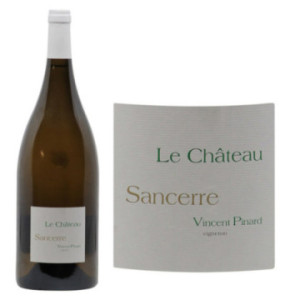
Sancerre Blanc "Le Château" 2023
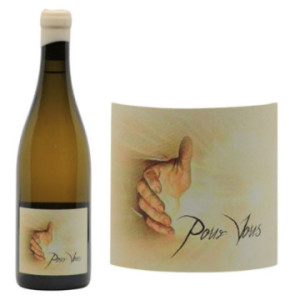
Sancerre Blanc "Pour Vous" 2022

-
94
-

Sancerre Rouge "Génération XIX" 2016
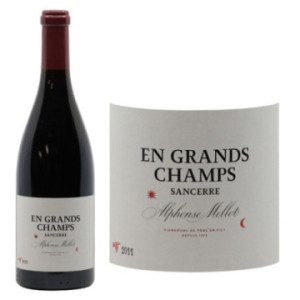
Sancerre Rouge "En Grands Champs" 2011

Sancerre Rouge "En Grands Champs" 2019

Sancerre Rouge "Génération XIX" 2019
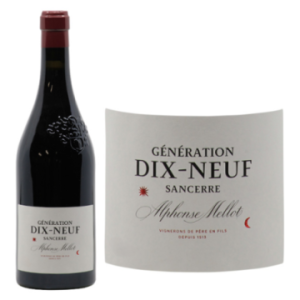
Sancerre Rouge "Génération XIX" 2022
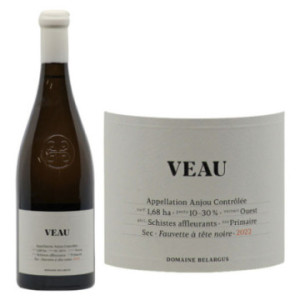
Anjou Blanc "Le Veau" 2022
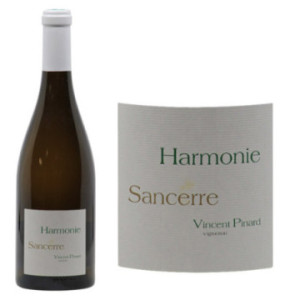
Sancerre Blanc "Harmonie" 2023
-
92
-
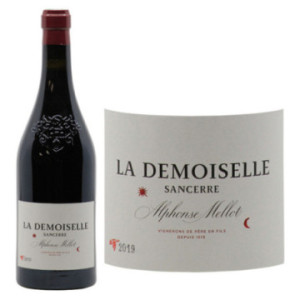
Sancerre Rouge "La Demoiselle" 2019
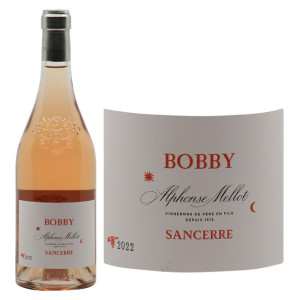
Sancerre Rosé "Bobby" 2022
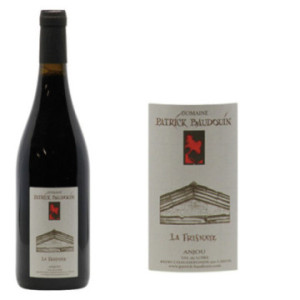
Anjou Rouge "La Fresnaye" 2018
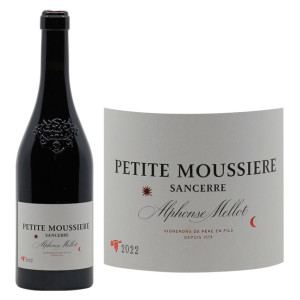
Sancerre Rouge "Petite Moussière" 2022
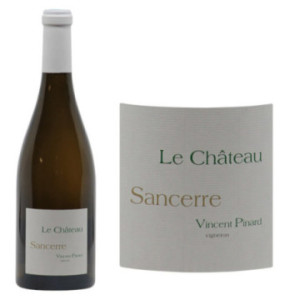
Sancerre Blanc "Le Château" 2023

-
93
-
Sancerre Blanc "Le Paradis" 2022
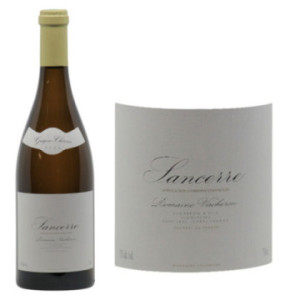
Sancerre Blanc "Guigne-Chèvres" 2023
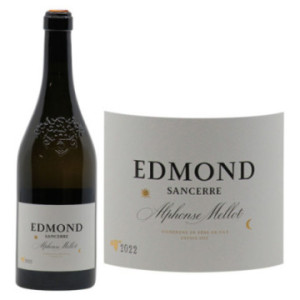
Sancerre Blanc "Edmond" 2022
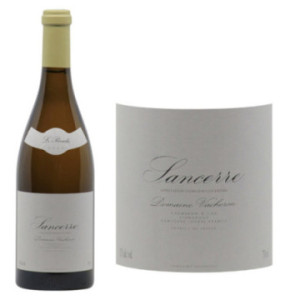
Sancerre Blanc "Le Paradis" 2023
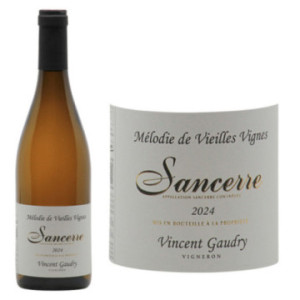
Sancerre Blanc "Mélodie de Vieilles Vignes" 2024
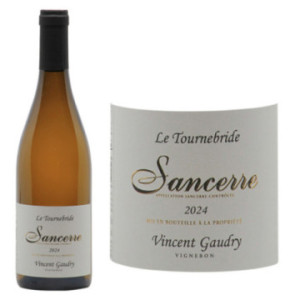
Sancerre Blanc "Le Tournebride" 2024
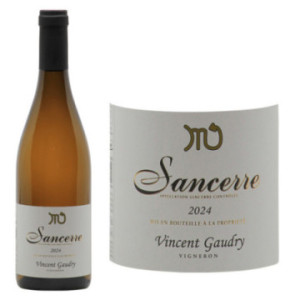
Sancerre Blanc "Constellation du Scorpion" 2024
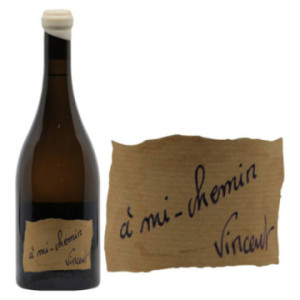
Sancerre Blanc "A mi-Chemin" 2022
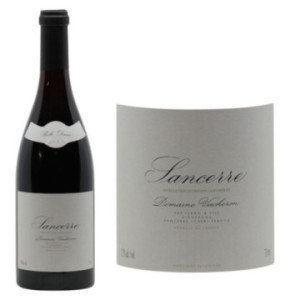
Sancerre Rouge "Belle Dame" 2023
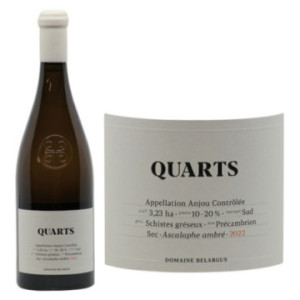
Anjou Blanc "Quarts" 2022
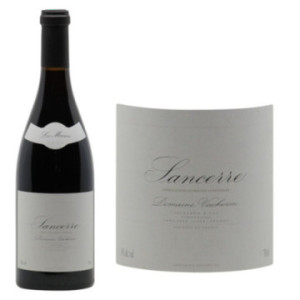
Sancerre Rouge "Les Marnes" 2023
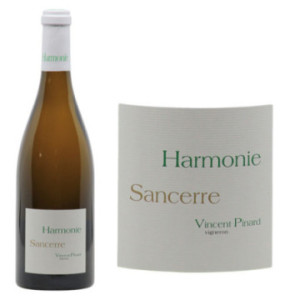
Sancerre Blanc "Harmonie" 2020
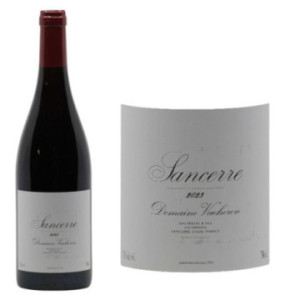
Sancerre Rouge 2023
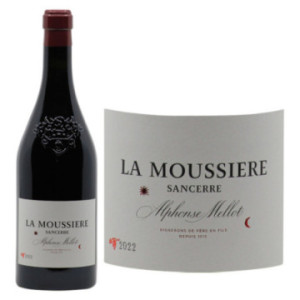
Sancerre Rouge "La Moussière" 2022

Sancerre Blanc "Génération XIX" 2019
Two major expressions of the Loire vineyard
Located on opposite ends of the Loire Valley, the appellations Anjou and Sancerre represent two complementary faces of great Loire wines. Anjou is known for its wide range of styles—from fresh rosés and structured reds to remarkable Chenin Blanc whites. Sancerre, by contrast, is world-renowned for its crystalline Sauvignon Blanc wines, alongside elegant Pinot Noir reds and rosés.
Diverse terroirs with strong identities
In Anjou, soils range from schist to limestone and tuffeau, split between the western Anjou Noir and the eastern Anjou Blanc. This geological diversity gives rise to highly expressive wines. In Sancerre, the famous soils of caillottes, terres blanches, and flint (silex) leave a distinctive mineral imprint on the wines, especially the whites. These terroirs contribute significantly to each region’s stylistic richness.
A Loire climate ideal for finesse
Both appellations benefit from a temperate climate: more oceanic in Anjou, and more continental in Sancerre. This climatic contrast shapes the wines’ profiles—softness and roundness in Anjou's Chenins, sharp freshness and aromatic intensity in Sancerre's Sauvignons. The influence of the vintage is key in determining the wines' structure and aromatic maturity.
A wide array of styles to explore
Anjou offers an expansive stylistic range: red wines based on Cabernet Franc with structure and suppleness; rosés (including Rosé d’Anjou and Cabernet d’Anjou) with vibrant fruit; and Chenin Blanc whites ranging from dry to sweet. Sancerre excels in Sauvignon Blanc whites—zesty, floral, and precise—while Pinot Noir reds bring finesse, offering a Loire alternative to Burgundy.
Elegant and refined food pairings
A Sancerre white pairs beautifully with seafood, goat cheese (especially Crottin de Chavignol), or light Asian cuisine. A dry Anjou Chenin enhances creamy poultry, Loire fish dishes, or subtly sweet-and-savory recipes. Cabernet Franc reds complement grilled meats, charcuterie, or saucy dishes, while a Sancerre red pairs delicately with veal, roasted pigeon, or confit vegetables.