

 Aloxe-Corton
 Beaune 1er Cru
 Ladoix
 Meursault
 Monthélie
 Pommard 1er Cru
 Savigny-Les-Beaune
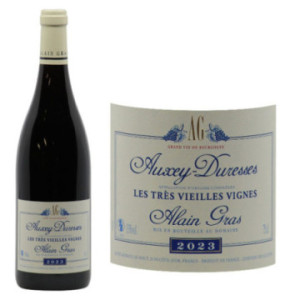
Auxey-Duresses Rouge 'Vieilles Vignes' 2023
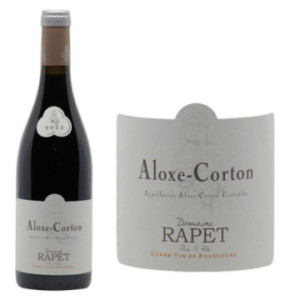
Aloxe-Corton 2023
-
90
-

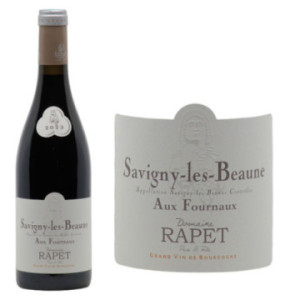
Savigny-lès-Beaune Aux Fournaux 2023
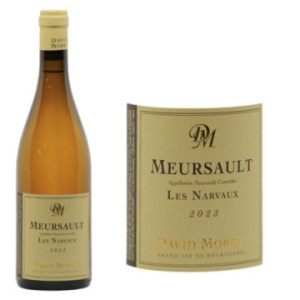
Meursault Les Narvaux 2023
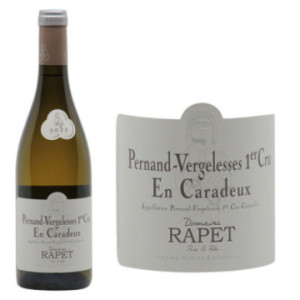
Pernand-Vergelesses 1er Cru Blanc En Caradeux 2023
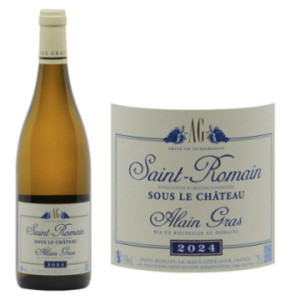
Saint-Romain Blanc Sous le Château 2024
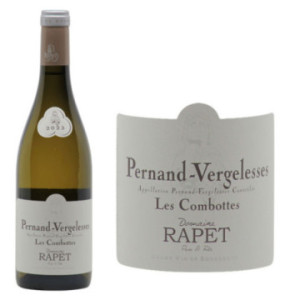
Pernand-Vergelesses Blanc Les Combottes 2023
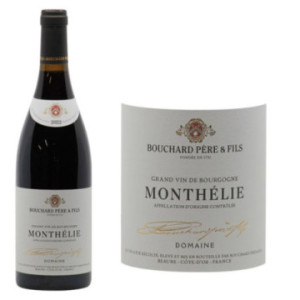
Monthélie Rouge 2022
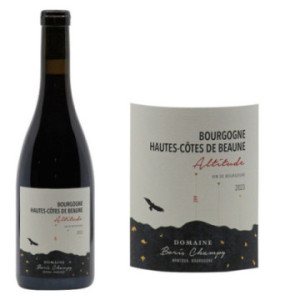
Bourgogne Hautes-Côtes de Beaune "Altitude" 2023
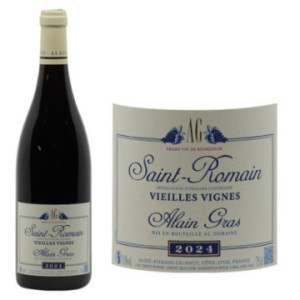
Saint-Romain Rouge 'Vieilles Vignes' 2024
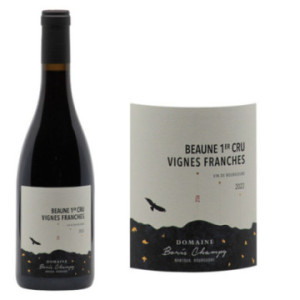
Beaune 1er Cru Les Vignes Franches 2022
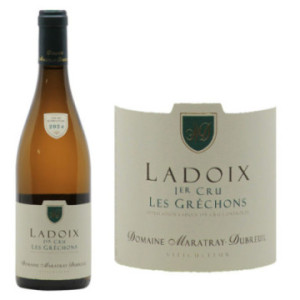
Ladoix 1er Cru Blanc Les Gréchons 2024
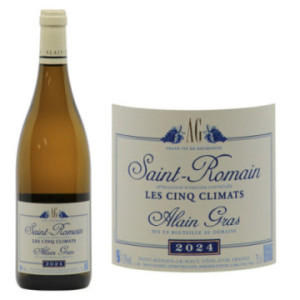
Saint-Romain Blanc "Les Cinq Climats" 2024
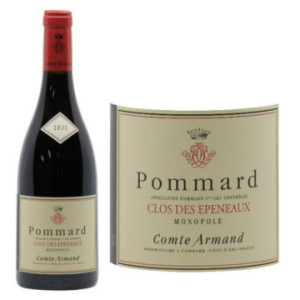
Pommard 1er Cru Clos des Epeneaux 'Monopole' 2021
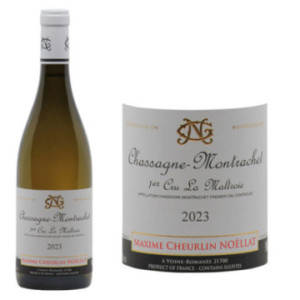
Chassagne-Montrachet 1er Cru Blanc La... 2023
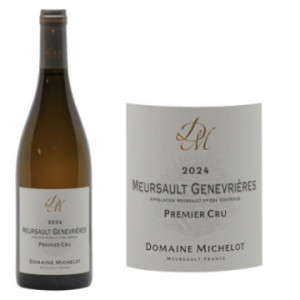
Meursault 1er Cru Genevrières 2024
What is Côte de Beaune and Why is it Unique?
Côte de Beaune is a renowned sub-region of Burgundy, stretching over approximately 25 kilometers from Ladoix-Serrigny to Maranges. It is distinguished by its diverse terroirs, which allow for the production of both exceptional Chardonnay-based white wines and refined Pinot Noir reds. Its limestone-rich soil, combined with a semi-continental climate, fosters wines of great complexity and remarkable aging potential.
Which Grapes Are Grown in Côte de Beaune?
Côte de Beaune is primarily known for its great white wines made from Chardonnay, which achieves unparalleled depth and minerality here. Pinot Noir is also cultivated, producing elegant and structured red wines, especially in appellations like Pommard and Volnay. Some vineyards also grow Aligoté and Gamay, though in smaller quantities.
What Are the Different Appellations of Côte de Beaune?
Côte de Beaune is structured into several levels of appellations:
- Regional appellations: Bourgogne Côte d’Or, Bourgogne Hautes-Côtes de Beaune.
- Village appellations: Aloxe-Corton, Beaune, Chassagne-Montrachet, Meursault, Pommard, Puligny-Montrachet, Santenay, Volnay…
- Premier Cru appellations: Prestigious climats like "Les Perrières" in Meursault or "Les Bressandes" in Beaune offer highly complex wines.
- Grand Cru appellations: Côte de Beaune is home to world-renowned Grand Crus such as Montrachet, Bâtard-Montrachet, Corton-Charlemagne for whites, and Corton for reds.
How to Pair Côte de Beaune Wines with Food?
The region’s white wines, rich and complex, pair perfectly with sauced fish, refined seafood, and creamy poultry dishes. The red wines, with silky tannins and aromas of red fruits and spices, complement grilled meats, game birds, and aged cheeses like Époisses.
Why Are Côte de Beaune Wines So Highly Regarded?
Côte de Beaune wines are highly sought after for their elegance and their ability to reflect their terroir. The whites deliver pure expressions of Chardonnay, balancing minerality and power, while the reds showcase exceptional finesse. These wines are true icons of Burgundy, known for their precision and aging potential.
What Is the Aging Potential of Côte de Beaune Wines?
The Grand Cru white wines, such as Montrachet or Corton-Charlemagne, can age for over 20 years, developing aromas of honey, hazelnut, and truffle. The Premier Cru whites are best enjoyed between 5 and 15 years after bottling. As for the reds, Grand Crus like Corton can evolve for several decades, while Premier Crus reach their peak between 8 and 15 years.
Where to Buy High-Quality Côte de Beaune Wines?
To access the finest wines from Côte de Beaune, it is recommended to turn to specialists such as Grands Bourgognes. Their carefully curated selection ensures access to bottles that are perfectly stored and sourced directly from the most prestigious estates.
How Important Is Terroir in Côte de Beaune Wines?
Terroir plays a fundamental role in defining the identity of Côte de Beaune wines. The diversity of soils and the ideal exposure of the vineyards create a wide range of styles, from crisp and mineral-driven whites to deep and velvety reds. Each climat brings its own signature, making every wine unique and a true reflection of its place of origin.