

 Bourgogne
 Bourgogne Aligoté
 Bourgogne Côte d'Or
 Bourgogne Passe-tout-grains
 Côteaux Bourguignon
 Crémant de Bourgogne
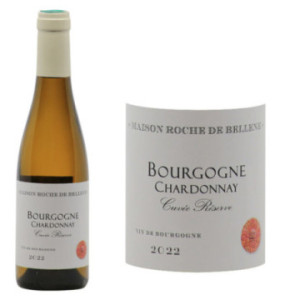
Bourgogne Chardonnay "Cuvée Réserve" 2022
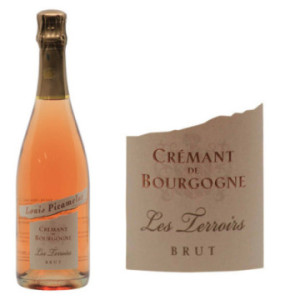
Crémant de Bourgogne Rosé "Les Terroirs" 2020
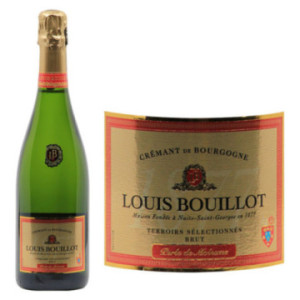
Crémant de Bourgogne "Perle de Molesme" Non millésimé
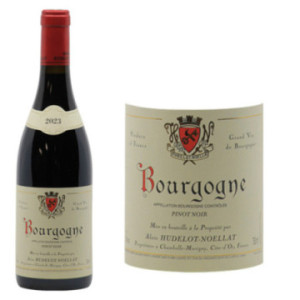
Bourgogne Pinot Noir 2023
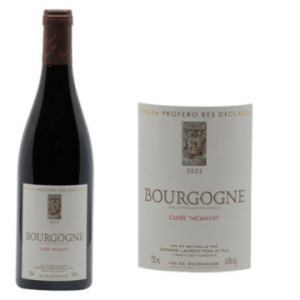
Bourgogne Pinot Noir 2022
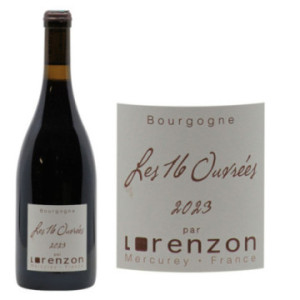

Bourgogne Pinot Noir "16 Ouvrées" 2023
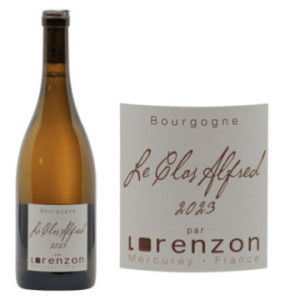
Bourgogne Chardonnay "Clos Alfred" 2023
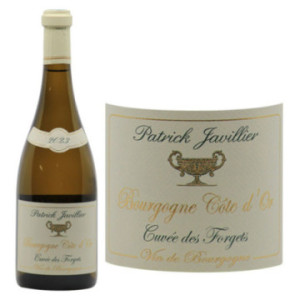
Bourgogne Côte d'Or Chardonnay "Cuvée des... 2023
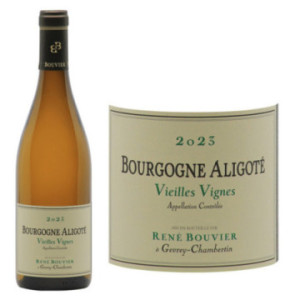
Bourgogne Aligoté 'Vieilles Vignes' 2023
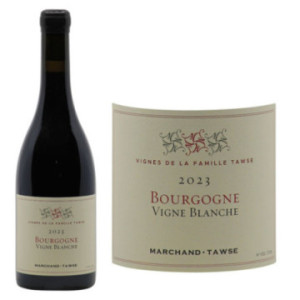
Bourgogne Pinot Noir "Vigne Blanche" 2023
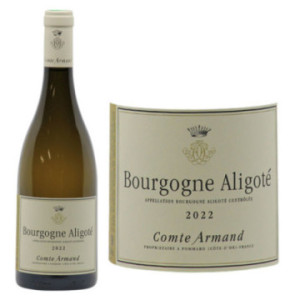
Bourgogne Aligoté 2022
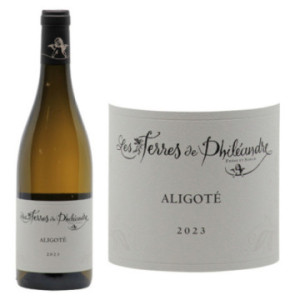
Bourgogne Aligoté 2023
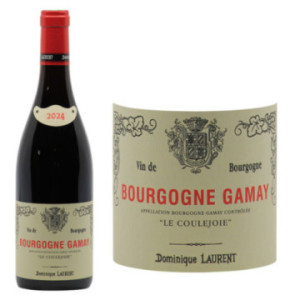
Bourgogne Gamay "Le Coulejoie" 2024
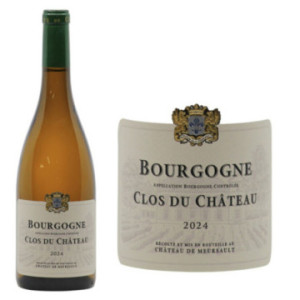
Bourgogne Chardonnay "Le Clos du Château" 2024
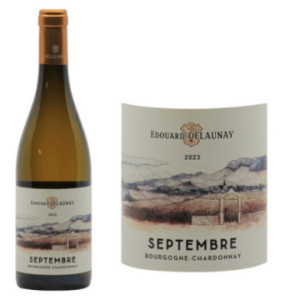
Bourgogne Chardonnay "Septembre" 2023
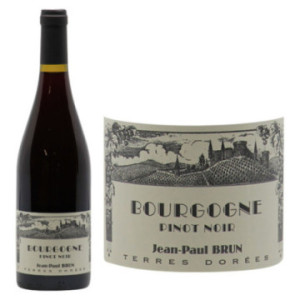
Bourgogne Pinot Noir 2023
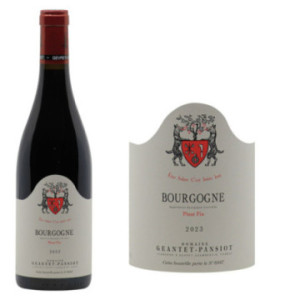
Bourgogne Pinot Fin 2023
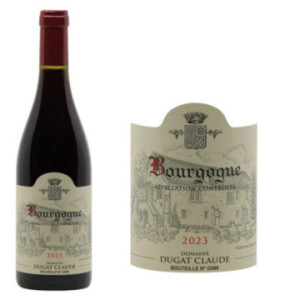
Bourgogne Pinot Noir 2023
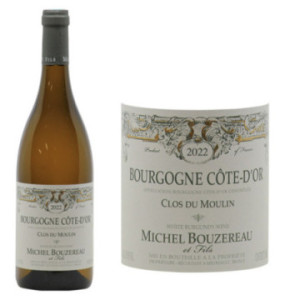
Bourgogne Chardonnay "Clos du Moulin" 2022
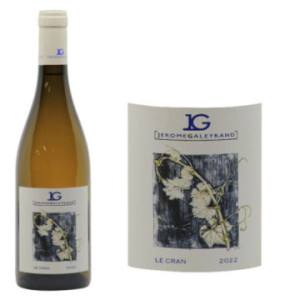
Bourgogne Aligoté "Le Cran" 2022
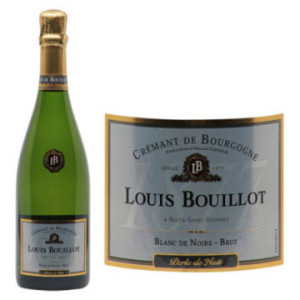
Crémant de Bourgogne "Perle de Nuit" Non millésimé
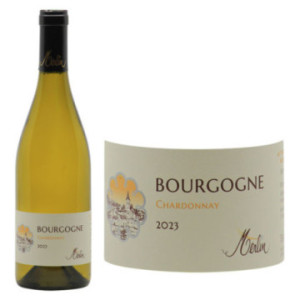
Bourgogne Chardonnay 2023
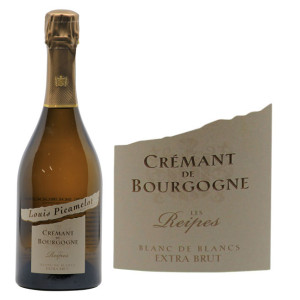
Crémant de Bourgogne "Les Reipes" Blanc de... 2021
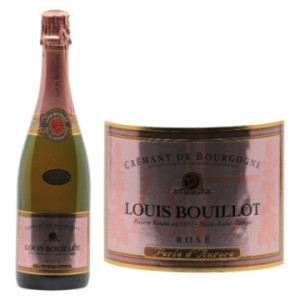
Crémant de Bourgogne Rosé "Perle d'Aurore" Non millésimé
-
92
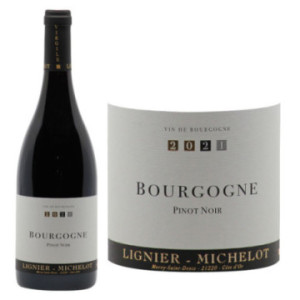
Bourgogne Pinot Noir 2021
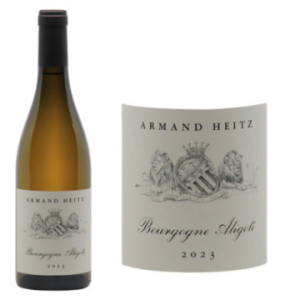
Bourgogne Aligoté 2023
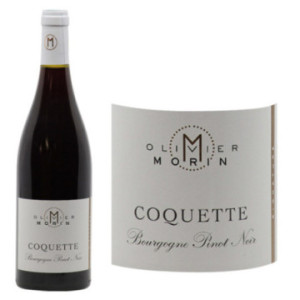
Bourgogne Pinot Noir "Coquette" Non millésimé
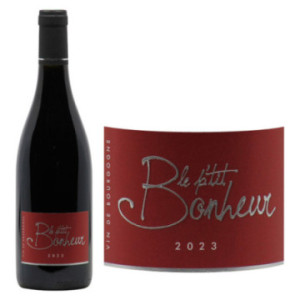
Côteaux Bourguignons Gamay "Le P'tit Bonheur" 2023
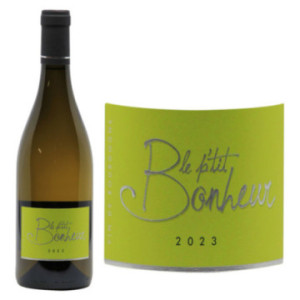
Côteaux Bourguignons Chardonnay "Le P'tit... 2023
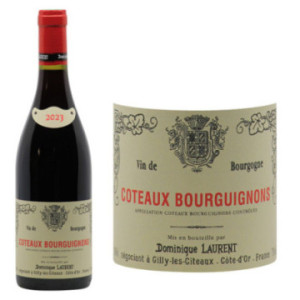
Côteaux Bourguignons Pinot Noir et Gamay 2023
What is the Burgundy Regional appellation and Why is it Unique?
The Burgundy Regional appellation includes all wines produced in Burgundy that are not linked to a specific village or climat. It serves as an ideal introduction to the region’s wines, offering an accessible expression of Burgundy’s emblematic grape varieties: Pinot Noir and Chardonnay. These wines can come from anywhere in Burgundy, from Chablis to Mâconnais, allowing for a variety of styles while maintaining the distinct Burgundy identity.
Which Grape Varieties Are Used in the Burgundy Regional Appellation?
The appellation primarily focuses on:
- Chardonnay: The dominant variety for white wines, offering aromas of citrus, white flowers, and minerality.
- Pinot Noir: Used for red wines, characterized by red fruit, spice notes, and an elegant structure.
- Other varieties: Aligoté, often labeled as Bourgogne Aligoté, produces crisp and refreshing whites. Gamay is also used in specific appellations like Bourgogne Passe-Tout-Grains.
What Are the Different Variations of the Burgundy Regional Appellation?
The Burgundy appellation is divided into several categories to better identify the origin of the wines:
- Bourgogne: The general designation for red, white, and rosé wines produced across Burgundy.
- Bourgogne + region name: Some sub-regions can be specified, such as Bourgogne Côte d’Or, Bourgogne Hautes-Côtes de Nuits, or Bourgogne Hautes-Côtes de Beaune.
- Bourgogne Aligoté: A specific appellation for fresh, lively white wines made from Aligoté.
- Bourgogne Passe-Tout-Grains: Allows blending of Pinot Noir and Gamay for light, fruity reds.
- Crémant de Bourgogne: A sparkling wine made using the traditional method.
How to Pair Burgundy Regional Wines with Food?
Burgundy Regional wines offer great versatility at the table:
- White wines pair perfectly with seafood, grilled fish, and goat cheese.
- Red wines complement roasted poultry, grilled meats, and charcuterie.
- Bourgogne Aligoté is ideal as an aperitif or mixed with blackcurrant liqueur to make a Kir.
- Crémant de Bourgogne pairs wonderfully with light desserts or festive occasions.
Why Are Burgundy Regional Wines So Popular Among Wine Enthusiasts?
Burgundy Regional wines provide an opportunity to explore Burgundy’s winemaking style at a more affordable price than village or premier cru appellations. They reflect the expertise of winemakers and the diversity of the region’s terroirs, offering wines that are accessible, easy to drink, and authentic.
What Is the Aging Potential of Burgundy Regional Wines?
The aging potential varies depending on the wine style:
- White wines are best enjoyed within 3 to 5 years to maintain their freshness.
- Red wines evolve well over 5 to 7 years, gaining complexity over time.
- Crémant de Bourgogne should be consumed young, within 2 to 3 years after bottling.
Where to Buy High-Quality Burgundy Regional Wines?
To explore Burgundy Regional wines, it is advisable to purchase from experts like Grands Bourgognes. Their carefully selected range provides access to cuvées that showcase each Burgundy terroir.
How Important Is Terroir in Burgundy Regional Wines?
Although the Burgundy Regional appellation covers a vast area, terroir remains a crucial factor. Each sub-region brings its own typicity: the minerality of Chablis’ Kimmeridgian soils, the richness of Côte d’Or’s clay-limestone composition, or the generosity of Mâconnais soils. This diversity allows Burgundy Regional wines to offer a wide range of expressions.