



Which Burgundy wine with a cheese platter?
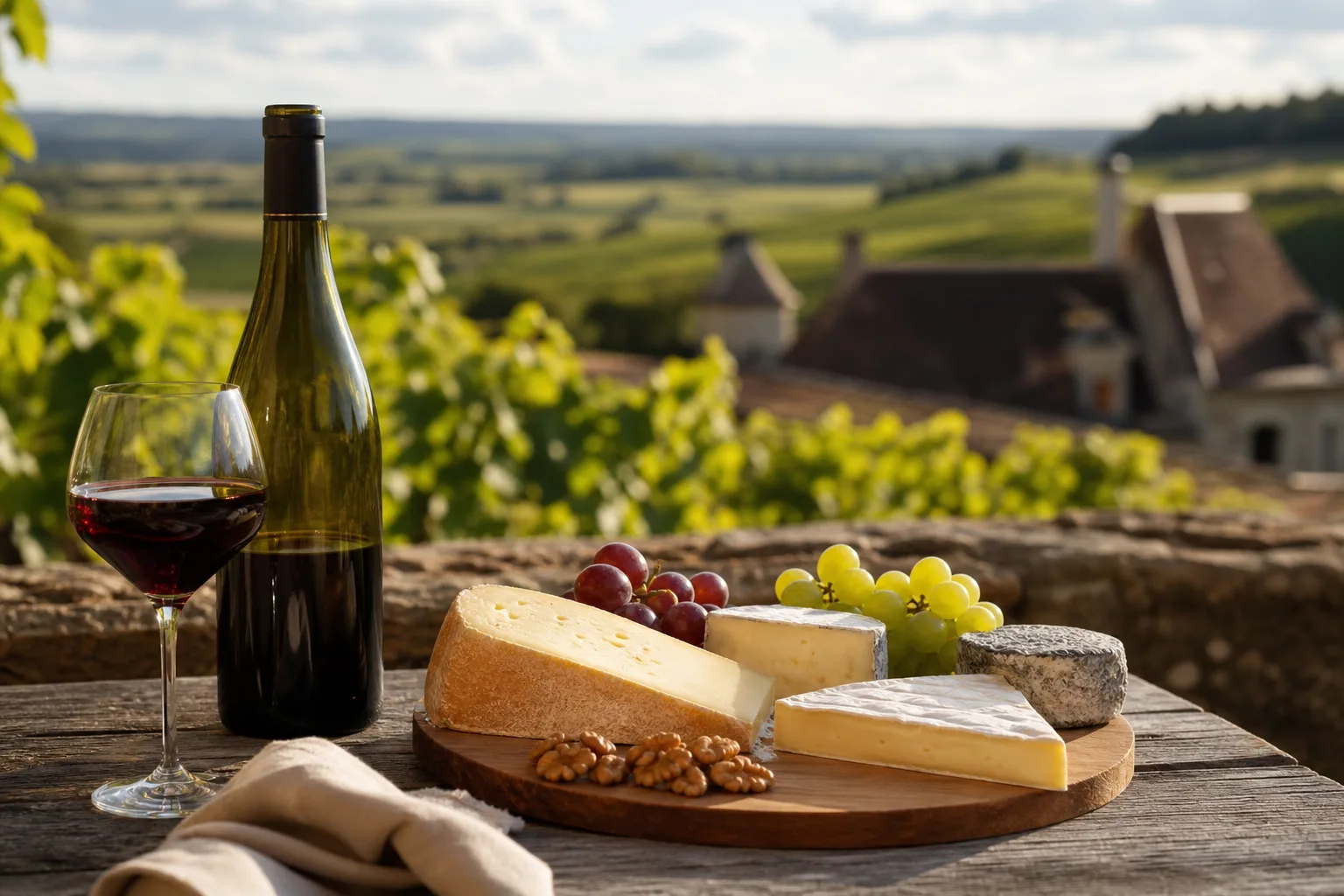
To accompany a cheese platter, the safest Burgundy wine is often a white made from Chardonnay: Chablis for freshness, Mâcon or Pouilly-Fuissé for roundness, Meursault for creamy textures and aged cheeses. Burgundy reds, made from Pinot Noir, can also work, provided you choose supple, low-tannin wines served slightly chilled. The aim is not to impose a great wine on the cheese, but to find a balance between salt, fat, acidity, aromatic power and persistence.
The key principles for pairing Burgundy wines and cheeses
Pairing Burgundy wines and cheeses is based first and foremost on a simple rule: the richer, saltier or more mature the cheese, the more the wine needs to offer freshness, precision and real aromatic structure. This is why white Burgundies, driven by Chardonnay, are so often recommended. Their acidity cleanses the palate, their texture complements creaminess, and their notes of white fruit, citrus, flowers, fresh butter or hazelnut naturally echo the milk, rind and aging.
The texture of the cheese is decisive. A fresh or semi-dry goat’s cheese calls for a lively, precise, almost saline wine. A soft cheese with a bloomy rind, such as brie or camembert, needs more roundness, but without heaviness. A pressed cheese, such as comté, beaufort or aged tomme, can take fuller whites, sometimes slightly evolved. Blue-veined cheeses, which are saltier and sharper, need a wine capable of supporting their intensity without being overwhelmed.
Burgundy reds require more discernment. Pinot Noir has a precious finesse, but its tannins, even delicate ones, can harden when they meet the salt and bitterness of certain rinds. It is therefore best to avoid reds that are too extracted, too oaky or too young with powerful cheeses. A supple red Burgundy, a fruit-driven Côte de Beaune wine or a light Pinot Noir can accompany mild cheeses, lightly salted pressed cheeses or washed-rind cheeses served in moderation.
Which Burgundy wines to choose by cheese family
With goat’s cheeses, freshness comes first. A Chablis, a Petit Chablis or a taut white Burgundy highlights the cheese’s natural acidity without overpowering it. With a fresh goat’s cheese, the pairing gains brightness through lemony and mineral notes. With a drier or lightly aged goat’s cheese, a white Mâcon or a Saint-Véran can bring a little more flesh while preserving balance.
With soft cheeses with bloomy rinds, such as brie, chaource or camembert, avoid overly tannic red wines. Burgundy whites that are both round and fresh are often more appropriate: Mâcon-Villages, Pouilly-Fuissé or Meursault, depending on the richness of the cheese. The wine should embrace the creaminess without emphasizing the sense of fat. For a more delicate pairing, a supple, lightly oaked Pinot Noir can work with a young, mild soft cheese that is not too runny.
With cooked or uncooked pressed cheeses, such as comté, beaufort, abondance, tomme or medium-aged cantal, Burgundy offers some superb pairings. Meursault, Montagny, white Rully, Pouilly-Fuissé or a fuller Mâcon answer the notes of hazelnut, butter, warm milk and sometimes dried fruit. If the cheese remains moderately salty, a Burgundy Pinot Noir, served slightly chilled, can bring a pleasant fruity structure.
With blue-veined cheeses, such as bleu d’Auvergne, fourme d’Ambert or roquefort, the pairing is more demanding. Their salt, power and sharpness can easily dominate dry wines. In Burgundy, it is better to choose a white with substance, energy and a certain maturity: Meursault, a structured Pouilly-Fuissé or a slightly evolved Burgundy Chardonnay. Reds are generally less comfortable, as the tannins can clash with the salt and noble mold of the cheese.
With very mature cheeses, seek balance rather than brute power. An old, salty, crumbly or very pungent cheese can tire a wine that is too subtle. Burgundy whites with depth, fine acidity and evolved aromas of hazelnut, fresh butter or light honey are then recommended. Reds are possible only if they remain fine, mellowed and low in tannin.
The essential Burgundy appellations for a cheese platter
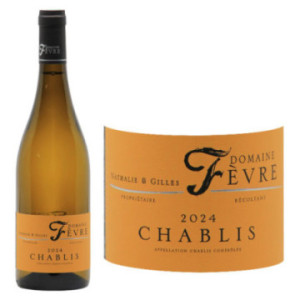
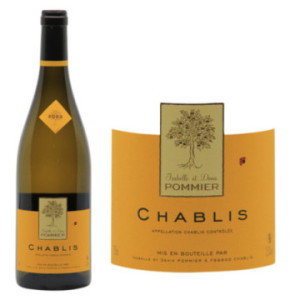
Chablis is one of the most valuable appellations for a cheese platter. Its tension, limestone minerality and lemony profile are particularly suited to goat’s cheeses, fresh cheeses, young soft cheeses and platters where you want a highly drinkable wine. A Chablis Premier Cru can even accompany more structured cheeses, thanks to its depth and persistence.

Chablis 2023
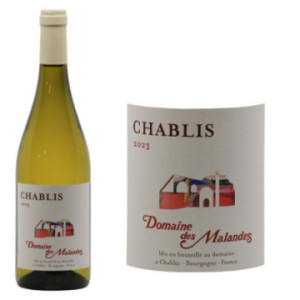
Chablis 2023
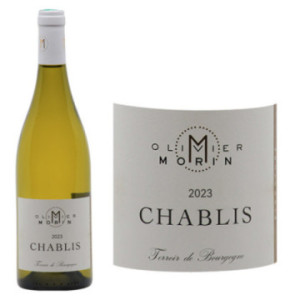
Chablis 2023
Meursault comes into its own when the platter includes creamy cheeses, aged pressed cheeses or rich textures. Its notes of butter, hazelnut, yellow fruit and sometimes light toastiness pair beautifully with the richness of cheese. However, balance remains essential: an overly opulent Meursault with an overly salty cheese can seem heavy, whereas a taut, well-built wine will create a far more elegant pairing.

Meursault Blanc 2018
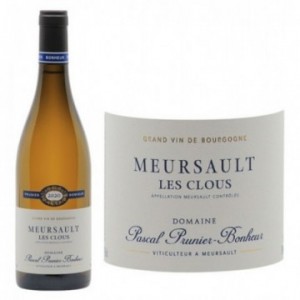
Meursault Les Clous 2020
-
94
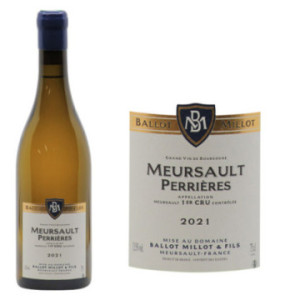
Meursault 1er Cru Perrières 2021

Meursault "Clos des Ambres" 2019
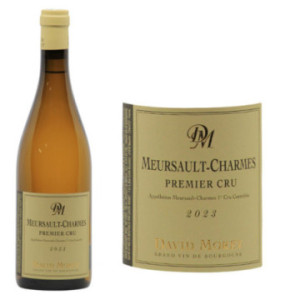
Meursault-Charmes 1er Cru 2023
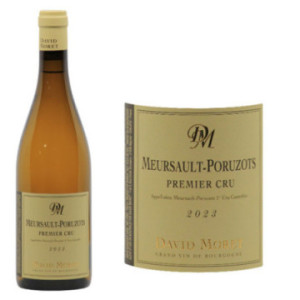
Meursault 1er Cru Poruzots 2023
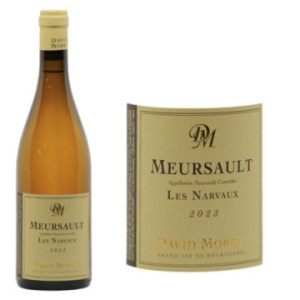
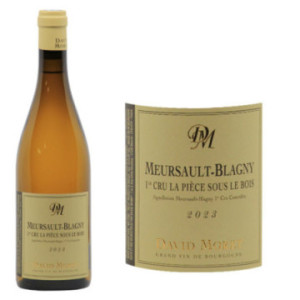
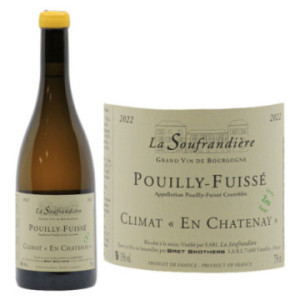
Pouilly-Fuissé offers an appealing compromise between breadth and freshness. From the Mâconnais, it pairs with soft cheeses, aged goat’s cheeses, young to medium-aged comtés and varied platters. Its natural roundness, often accompanied by notes of ripe fruit and white flowers, makes it a convivial choice when you want to serve a single white Burgundy with several cheeses.
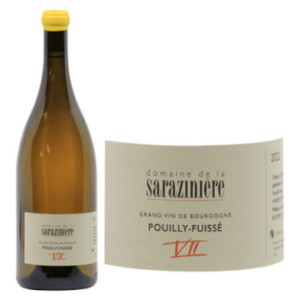
Pouilly-Fuissé "VII" 2022

Pouilly-Fuissé "Les Birbettes" 2021
-
94
-

Pouilly-Fuissé "En Chatenay" Zen 2022
The whites of the Côte de Beaune, especially around Meursault, Puligny-Montrachet, Chassagne-Montrachet, Saint-Aubin or Rully in the neighboring Côte chalonnaise, suit refined platters and high-quality cheeses. They combine tension, volume and aromatic complexity. With a platter made up of pressed cheeses, creamy cheeses and a few aged goat’s cheeses, they offer a gastronomic interpretation of the pairing.
The appellations of the Mâconnais, such as Mâcon-Villages, Saint-Véran, Viré-Clessé or Pouilly-Fuissé, are particularly useful for generous platters. They bring fruit, suppleness, approachable acidity and excellent pleasure for the price. For a family meal, a buffet or a cheese-focused evening, they allow you to serve an expressive white Burgundy without necessarily turning to the most prestigious cuvées.
On the red side, smooth Pinot Noir from Burgundy can accompany certain cheeses, provided you choose fruit-driven wines with fine tannins and no excess oak aging. A red Burgundy, a Côte de Beaune wine or a red from the Côte chalonnaise can suit tomme, a young saint-nectaire, a lightly aged reblochon or a moderate pressed cheese. They will be less suited to blue cheeses, very salty cheeses and overly powerful rinds.
Serving tips for a successful Burgundy wine and cheese pairing
Serving temperature profoundly changes how the pairing is perceived. White Burgundies are best served cool, but not ice-cold: around 10 to 12 °C for a Chablis or a lively Mâcon, and rather 12 to 13 °C for a Meursault, a Pouilly-Fuissé or a fuller white. Too cold, the wine closes down and seems acidic; too warm, it loses precision and emphasizes the richness of the cheese. Burgundy reds, meanwhile, should be served slightly chilled, around 14 to 16 °C, to preserve the fruit and keep the tannins in check.
The tasting order should move from the mildest to the most powerful. Start with fresh cheeses, young goat’s cheeses and delicate soft cheeses, then continue with pressed cheeses, more mature cheeses and, finally, blue-veined cheeses or very expressive rinds. This progression avoids saturating the palate too early and allows the wine to remain easy to read.
Bread plays a discreet but essential role. Country bread, a traditional baguette or a lightly sweetened multigrain bread work very well. It is better to avoid overly aromatic, strongly spiced or sweet breads, which can distract from the pairing. Dried fruit, walnuts or hazelnuts can accompany pressed cheeses and fuller whites, but in moderation, as bitterness can alter the perception of the wine.
Finally, be careful with accompaniments. Jams, chutneys, powerful honeys and vinegared condiments are appealing, but they can throw a dry Burgundy wine off balance. If you wish to offer them, serve them separately and in small quantities. To showcase the wine, keep things simple: good cheeses at room temperature, the right bread, a few low-acid fresh fruits and attentive service are better than an overloaded platter.
FAQ — Vin de Bourgogne et plateau de fromages
Which Burgundy wine should I choose if I serve only one bottle with a cheese platter?
A white Burgundy is the most versatile choice. Chablis will suit a fresh, delicate platter, while Mâcon-Villages, Saint-Véran or Pouilly-Fuissé will be more comfortable with varied, creamier or more mature cheeses.
Does red Burgundy go with cheese?
Yes, but not with every cheese. A supple, low-tannin Pinot Noir served slightly chilled can accompany tomme, a moderately aged pressed cheese or a mild soft cheese. However, it is often less suited to blue cheeses, very salty cheeses and powerful rinds.
Which cheese should be served with Chablis?
Chablis works very well with goat’s cheeses, fresh cheeses, young soft cheeses and some creamy-textured but not overly powerful cheeses. Its freshness and minerality balance the richness and lift the milky flavors.
Which Burgundy wine with comté?
With comté, choose a full yet precise white Burgundy: Meursault, Pouilly-Fuissé, white Rully, Montagny or a fine Mâcon. The more mature the comté, the more depth and persistence the wine should have.
Should cheeses be taken out in advance before serving the wine?
Yes. Cheeses benefit from being taken out of the refrigerator about 30 to 60 minutes before serving, depending on their size and texture. At the right temperature, their aromas are clearer and the pairing with Burgundy wine becomes more harmonious.