



White Burgundy Wines: Guide to Appellations, Styles and Pairings
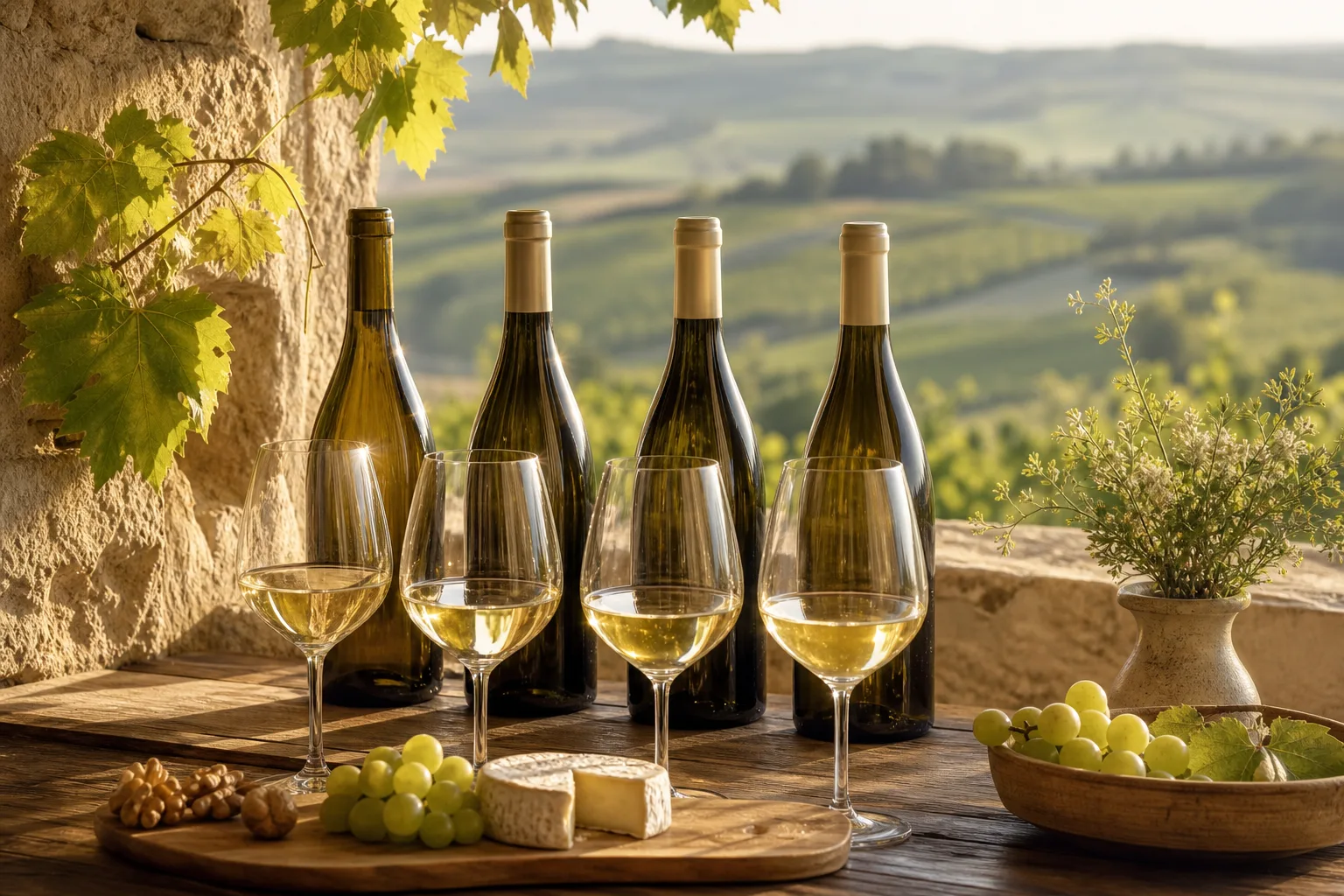
White Burgundy wines refers to the world of white wines from Burgundy, dominated by Chardonnay and shaped by a mosaic of legendary appellations: Chablis, Meursault, Puligny-Montrachet, Chassagne-Montrachet, Pouilly-Fuissé and Rully, among others. What they share is a rare ability to express their place of origin, from chalky freshness to broad, golden depth. To choose well, it is essential to understand the appellations, styles, classification levels and the most suitable food and wine pairings.
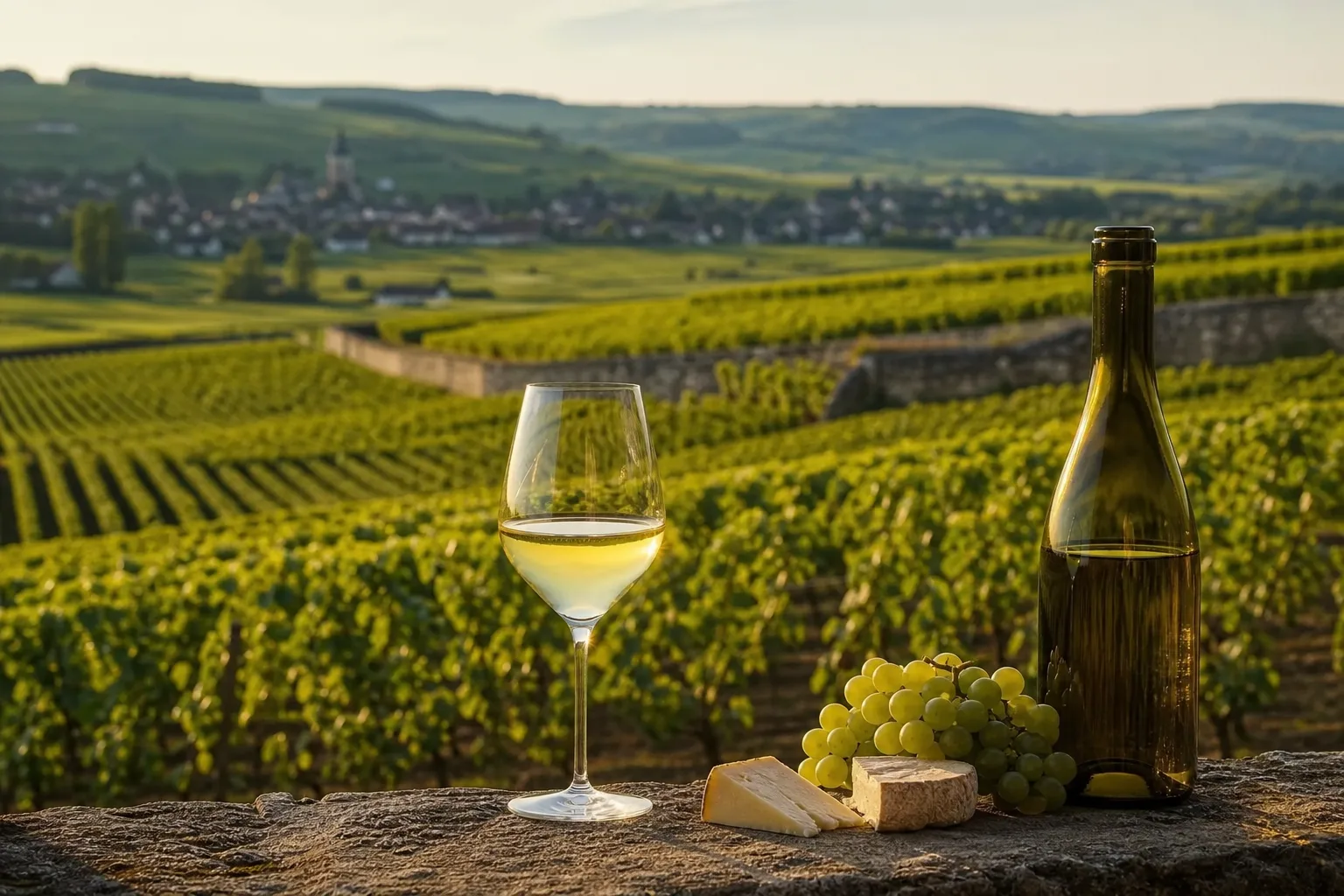
What is a white Burgundy?
A white wine born from a king grape: Chardonnay
In Burgundy, white wine begins first and foremost with Chardonnay. This grape variety, relatively neutral in its initial expression, has one essential virtue: it lets the place speak. On the limestone soils of Chablis, it becomes lively, lemony, almost iodine-tinged. On the marls and limestones of the Côte de Beaune, it gains flesh, with notes of hazelnut, fresh butter, white flowers or yellow fruit. In the Mâconnais, it can offer a sunnier, smoother and more generous expression.
Saying “white Burgundy” therefore does not mean referring to a single taste, but to a family of white wines built around the same dominant grape variety and a multitude of terroirs. This is where Burgundy’s uniqueness lies: nuance takes precedence over power, and the details of place often matter as much as the name of the domaine.
Other white grape varieties not to overlook
While Chardonnay is by far the dominant grape, it is not alone. Aligoté produces fresh, straight, lively white wines that are often highly drinkable, particularly under the Bourgogne Aligoté appellation and in Bouzeron, the Côte Chalonnaise appellation dedicated to it. More confidentially, Sauvignon appears in Saint-Bris, in the Yonne, where it delivers an aromatic expression unlike any other in the Burgundian landscape.
For enthusiasts and online buyers alike, this diversity is valuable: it makes it possible to choose a wine according to the occasion, budget and desired style, from a lively white for the aperitif to a great age-worthy wine for a fine dining table.
The essential appellations to know
Chablis: limestone precision
Chablis, located in the north of winegrowing Burgundy, produces white wines renowned for their tension, freshness and mineral profile. Here, Chardonnay often takes on notes of lemon, green apple, oyster shell and wet stone. The appellation is divided into Petit Chablis, Chablis, Chablis Premier Cru and Chablis Grand Cru.
A Chablis is often an excellent choice for those looking for a straight, understated white Burgundy that is very easy to read at the table. Premiers Crus and Grands Crus gain in depth, complexity and ageing potential.
Côte de Beaune: the heart of great Chardonnay
The Côte de Beaune is one of the world’s great Chardonnay heartlands. Meursault, Puligny-Montrachet and Chassagne-Montrachet form a legendary trio, joined by major appellations such as Saint-Aubin, Pernand-Vergelesses, Auxey-Duresses and Corton-Charlemagne for the grands crus.
Meursault often evokes breadth, hazelnut, fresh butter and texture. Puligny-Montrachet is sought after for its straightness, floral elegance and precision. Chassagne-Montrachet can combine power, depth and aromatic richness. These general traits vary, however, according to the climats, domaines, ageing practices and vintages.
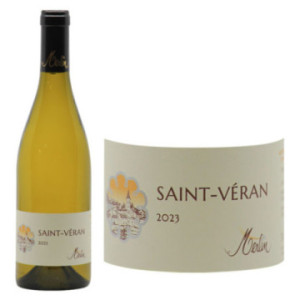
Saint-Véran 2023
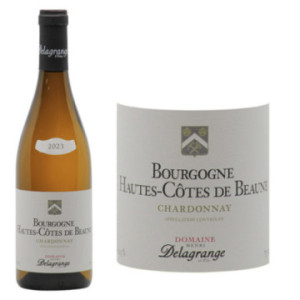
Bourgogne Hautes-Côtes de Beaune Blanc 2023
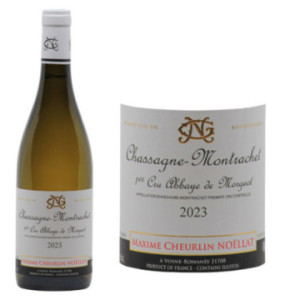
Chassagne-Montrachet 1er Cru Blanc Morgeot 2023

Marsannay Blanc Le Clos 'Monopole' 2023
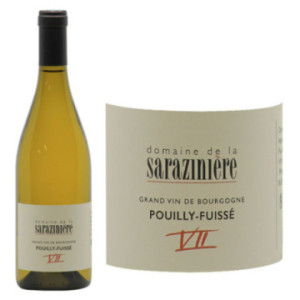
Pouilly-Fuissé "VII" 2023
-
91
-

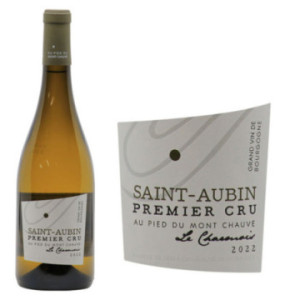
Saint-Aubin 1er Cru Le Charmois 2022
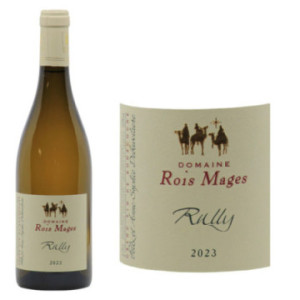
Rully Blanc 2023
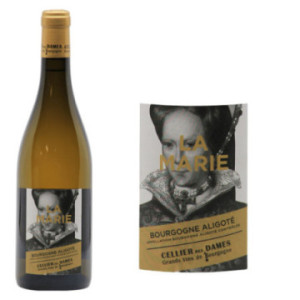
Bourgogne Aligoté "La Marie" 2022
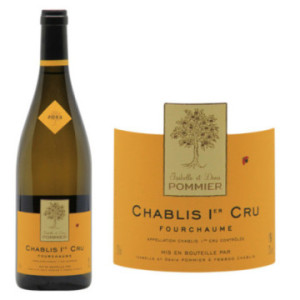
Chablis 1er Cru Fourchaume 2023
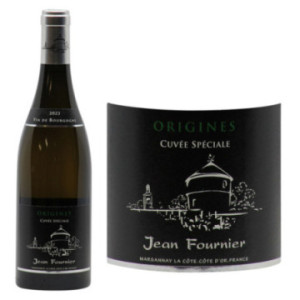
Bourgogne Blanc "Origines" 2023
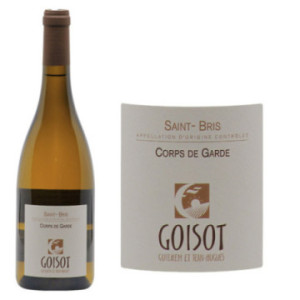
Saint-Bris "Corps de Garde" 2022
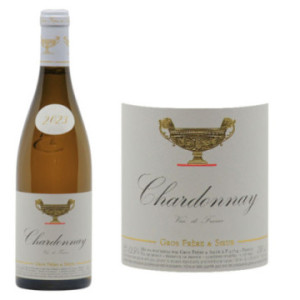
Vin de France Chardonnay 2023
Côte Chalonnaise and Mâconnais: value, pleasure and diversity
The Côte Chalonnaise offers some very fine whites in Rully, Montagny, Mercurey and Givry, often more accessible than the great names of the Côte de Beaune. Rully can charm with its finesse and balance; Montagny, an exclusively white appellation, delivers frank, bright Chardonnays that are enjoyable young, while sometimes gaining complexity after a few years.
Further south, the Mâconnais produces generous, expressive white wines. Pouilly-Fuissé, Saint-Véran, Viré-Clessé, Pouilly-Vinzelles, Pouilly-Loché and the various Mâcon denominations offer varied profiles, often marked by ripe fruit, white flowers and a sunnier feel. Pouilly-Fuissé now has climats classified as Premier Cru, a sign of the growing recognition of its finest terroirs.
Styles of white Burgundy: freshness, minerality and richness
Freshness: a lively, taut and mouthwatering white
The freshest white Burgundies are recognisable by their clear acidity, mouthwatering finish and aromas of citrus, apple, white flowers or rubbed stone. They are found particularly in Chablis, in certain Bourgogne Côte d’Or wines, in Saint-Aubin, under the Bourgogne Aligoté appellation and in several cuvées from the Côte Chalonnaise.
This style is particularly well suited to aperitifs, seafood, raw or marinated fish, and cuisines where the goal is a wine that can awaken the palate without overpowering the dish.
Minerality: an impression more than an aroma
The word minerality is often used when discussing white Burgundy. It does not literally mean a taste of stone, but rather a tactile and gustatory impression: tension, salinity, straightness, noble bitterness, sometimes a chalky or smoky sensation. Limestone soils, exposures, grape ripeness and winemaking choices all contribute to this perception.
In great white Burgundy wines, this minerality gives length. It prevents richness from becoming heavy and allows the wine to evolve gracefully over the years, especially in the highest-quality appellations and climats.
Richness: texture, ageing and complexity
Some white Burgundies show a broader palate: yellow fruit, peach, ripe pear, hazelnut, brioche, fresh butter, light honey or sweet spices. This richness can come from the terroir, the ripeness of the vintage, the age of the vines, but also from ageing, particularly when it takes place in oak barrels.
Well-managed ageing is not intended to mask the wine, but to bring it volume, oxygenation and additional complexity. Great white Burgundies find their balance when texture, acidity and expression of place move forward together.
Food pairings with white Burgundy
With fresh whites: seafood, greens and aperitif
Lively, taut white Burgundies naturally pair with oysters, shellfish, prawns, grilled fish, ceviches, fish tartares and salads with fresh herbs. A young Chablis, a Bourgogne Aligoté or a slender Montagny brings clarity and energy.
As an aperitif, this style works very well with gougères, fish rillettes, crunchy vegetables, a fine leek tart or lightly lemony bites. The idea is to preserve the wine’s brightness without saturating the palate.
With fuller whites: poultry, cream sauces and fine dining
Richer whites, from Meursault, Chassagne-Montrachet, Pouilly-Fuissé or fine cuvées aged on lees, call for more structured dishes: poultry in cream sauce, sweetbreads, fish in sauce, lobster, pan-seared scallops, mushrooms, poularde or cuisine with buttery notes.
The rule is simple: the more volume the wine has, the more texture the dish can offer. A great white Burgundy has no fear of fine dining, but seasonings that are too acidic, too sweet or too spicy should be avoided, as they would throw its finesse off balance.
With cheese: choosing the right intensity
Contrary to popular belief, many cheeses pair better with white wine than with red wine. White Burgundies go very well with Comté, Beaufort, mature goat’s cheese, Brillat-Savarin or pressed cheeses. The freshest wines respond to salinity and acidity; the fuller ones support creamy textures.
For a varied cheese board, choose a balanced white Burgundy, neither too oaky nor too delicate, capable of engaging with several levels of intensity. A well-chosen Saint-Véran, Rully or Bourgogne Chardonnay can prove remarkably versatile.
FAQ sur les blancs de Bourgogne
What is the main grape variety in white Burgundy wines?
The main grape variety is Chardonnay. It is behind the majority of great white Burgundies, from Chablis to the Côte de Beaune and the Mâconnais. Aligoté and, more marginally, Sauvignon in Saint-Bris complete the picture.
What is the difference between Chablis and Meursault?
Chablis generally produces wines that are more taut, fresh, lemony and marked by a limestone sensation. Meursault often offers fuller, more textured whites, with notes of hazelnut, fresh butter and yellow fruit. The producer, climat and vintage, however, remain decisive.
Can a white Burgundy age?
Yes, especially when it comes from a fine appellation, a high-quality climat and a serious domaine. Premiers Crus and Grands Crus, as well as certain village cuvées, can evolve over several years towards aromas of honey, dried fruit, sweet spices and toasted notes.
Which white Burgundy should I choose for an aperitif?
For an aperitif, choose a fresh, easy-drinking style: Chablis, Petit Chablis, Bourgogne Aligoté, Montagny, Rully or Mâcon blanc. These wines bring lift without heaviness and easily accompany gougères, smoked fish, crunchy vegetables or savoury bites.
What dish should I serve with a great white Burgundy?
A great white Burgundy pairs very well with poultry in cream sauce, pan-seared scallops, noble fish in sauce, lobster, mushrooms or mature Comté. The pairing should respect the balance between the richness of the dish and the wine’s tension.