



Cellaring Wine or Wine to Drink Young: How to Choose Well?
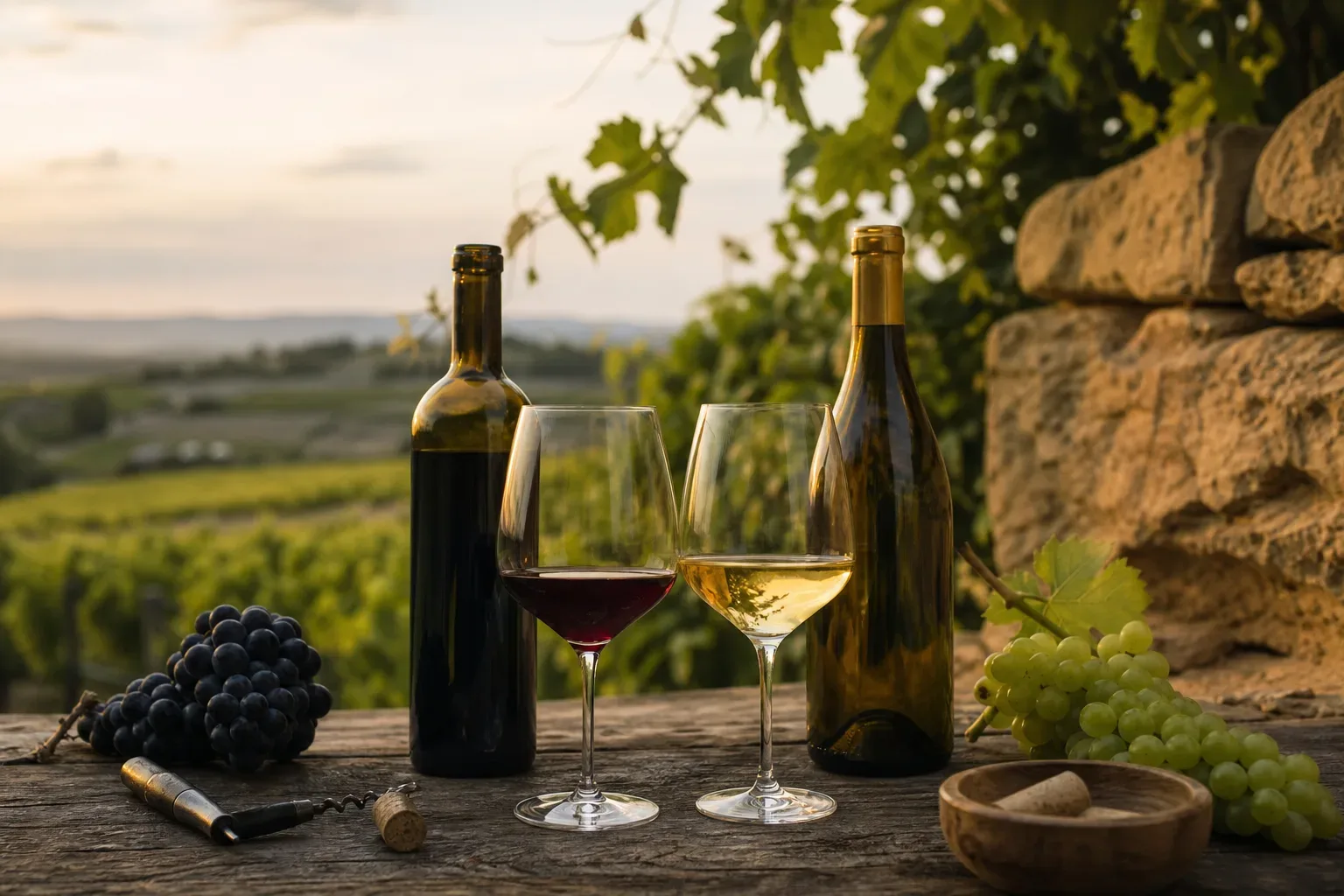
To choose between a cellaring wine or a wine to drink young, you first need to identify the pleasure you are looking for. The former needs time to soften its structure and develop complex aromas; the latter quickly offers clear fruit, an approachable texture and an easy-to-read balance. Neither is inherently superior: the right choice depends on the occasion, your patience, your tastes and the quality of your cellar.
The appellation is a first clue, never an absolute guarantee. Two wines from the same terroir can evolve differently depending on the vintage, grape ripeness, yields, extraction, ageing and the estate’s choices. Before buying online, it is therefore worth cross-checking the wine’s characteristics with the indicated drinking window and the conditions in which the bottle can be stored.
What distinguishes a cellaring wine from a wine to drink young?
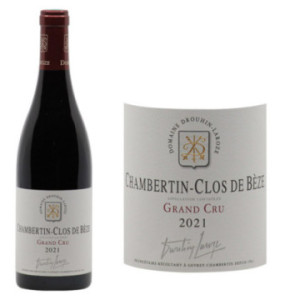
Chambertin Clos-de-Bèze 2021
-
96
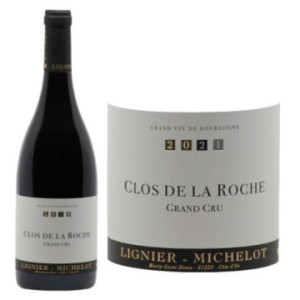
Clos de la Roche 2021
-
95
-
93
-

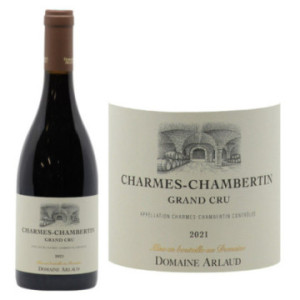
Charmes-Chambertin 2021
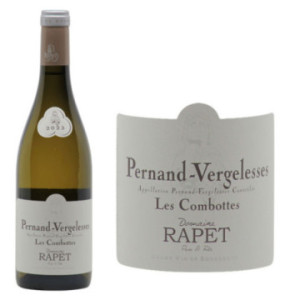
Pernand-Vergelesses Blanc Les Combottes 2023
-
95
-
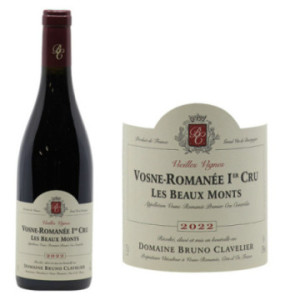
Vosne-Romanée 1er Cru Les Beaux Monts 2022
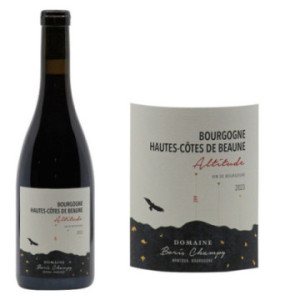
Bourgogne Hautes-Côtes de Beaune "Altitude" 2023
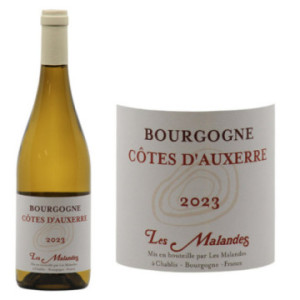
Bourgogne Côtes d'Auxerre Blanc 2023
-
94
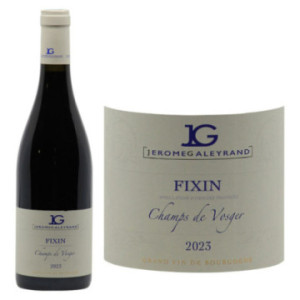
Fixin Champs de Vosger 2023
A cellaring wine is capable of transforming favorably over several years, sometimes several decades. In its youth, it may seem dense, firm, reserved or still dominated by its ageing. Time then allows the tannins to meld, the different components to integrate and the bouquet to gain complexity.
Primary aromas of fruit and flowers gradually evolve toward secondary and tertiary notes. In red wines, nuances of undergrowth, spices, leather, tobacco or dried fruit may appear. In white wines, evolution can evoke ripe fruit, dried flowers, wax, honey, spices or nuts. These descriptions, however, are not an automatic path: the profile depends on the grape variety, terroir, ageing and storage.
A wine to drink young is made or selected to be enjoyable soon after bottling. It generally emphasizes aromatic freshness, crisp fruit, suppleness and conviviality. Its balance is already in place: there is no need to wait several years for its tannins or ageing to harmonize.
The distinction therefore does not set a great wine against a simple wine. Some ambitious wines are delicious in their youth, while modest cuvées can keep for a few years. Moreover, the same wine can show several faces: fruity and energetic when young, more nuanced and mellowed with age. The choice then depends on the taster’s preference between the brightness of youth and the complexity of evolution.
Which criteria determine a wine’s ageing potential?
Ageing potential depends on a balance between several components, not on a single criterion. In red wines, tannins often play an important role. Derived mainly from the skins, seeds and, depending on the winemaking, stems or ageing oak, they contribute to structure and the ability to evolve. Abundant tannins are not enough, however: if they are dry, vegetal or disconnected from the fruit, ageing will not necessarily make them harmonious.
Acidity brings freshness and forms an essential backbone, for both reds and whites. It partly explains the longevity of certain Bourgogne Chardonnay, Loire Chenin or Alsace Riesling. Here again, the quality of the balance is what matters: high acidity without concentration or body can simply make the wine austere.
Alcohol contributes to volume and stability, but a high alcohol level is not synonymous with long ageing. A poorly integrated warm sensation can, on the contrary, throw the wine off balance. In medium-sweet or sweet wines, residual sugar, combined with sufficient acidity, often encourages prolonged evolution. This is notably the case for certain wines from Loire, Alsace or Bordeaux.
The grape variety also provides clues. Cabernet Sauvignon, Syrah, Mourvèdre, Nebbiolo outside France, and also Pinot Noir in suitable terroirs and yields, can produce reds for long ageing. For whites, Chardonnay, Chenin Blanc, Riesling or certain Sauvignon Blanc from great terroirs can sometimes show remarkable longevity. Yet the grape variety’s theoretical aptitude should not be confused with the real potential of each bottle.
Terroir plays a role through the soil, exposure, altitude, drainage and climate. Ripe, healthy grapes with good concentration can produce a wine better suited to evolution. The vintage modulates this potential: a cool year can bring high acidity but requires perfectly controlled ripeness, while a hot year often offers greater richness, sometimes with lower acidity.
Finally, winemaking and ageing methods are decisive. Maceration length, extraction, whole-cluster fermentation, lees work, malolactic fermentation, ageing in oak or tank, filtration and oxygen management all shape the pace of evolution. Long barrel ageing is not, on its own, proof of longevity: it must be supported by the wine’s substance.
How can you recognize a wine that is ready to drink in its youth?
A wine that is ready to drink young is first recognized by its immediate balance. Its aromas are open, its fruit is precise and its texture shows no dominant hardness. In a red wine, the tannins may be present, but they remain fine, supple or already well integrated. In a white wine, acidity energizes the palate without creating a sharp or thin impression.
Aromas of cherry, raspberry, blackcurrant, peach, citrus or fresh flowers often signal a fruit-driven profile. They do not prove that a wine is unable to age, but they may indicate that it is going through a particularly appealing phase. Low-extraction winemaking, ageing mostly in tank or in unobtrusive barrels, and relatively early bottling often promote this accessibility.
Color is only a secondary clue. A bright red with violet highlights appears young, while a garnet or brick hue generally indicates evolution. Yet intensity and shade naturally vary according to the grape variety: a Pinot Noir can be lightly colored while still having genuine ageing potential.
Commercial information also provides reference points. Expressions such as fruity, easy-drinking, supple, crisp or drink now often describe a wine that is quickly accessible. Conversely, mentions such as wait before drinking, assertive structure or long ageing suggest that evolution is desirable. These indications should nevertheless be read alongside the vintage profile and the producer’s philosophy.
A little aeration may be enough to help a young wine open up. A wide decanter for thirty minutes to two hours helps some structured reds release their fruit, without reproducing the complex effects of several years of bottle ageing. For a delicate or already evolved wine, prolonged aeration can, on the contrary, accelerate the loss of aromas.
How long should you keep a bottle before opening it?
Ageing periods should be viewed as indicative ranges. A light, fruity, low-tannin wine is often enjoyed within two to four years after the vintage. Many aromatic dry whites and rosés are also intended for the first few years, even though some exceptions age remarkably well.
A medium-structured red can generally be kept for three to eight years. More concentrated wines, from renowned terroirs and balanced vintages, can reach ten to twenty years, sometimes more. For great red wines from Bourgogne, Bordeaux or Rhône, ageing for more than twenty years is possible in the best conditions, without being systematically necessary or always preferable to everyone’s taste.
Dry white wines made for ageing can evolve for five to fifteen years, and sometimes several decades for great Chardonnay, Chenin or Riesling. Medium-sweet or sweet wines balanced by sufficient acidity are among the most enduring. Conversely, a bottle from a cuvée built around immediate freshness will not necessarily improve from long storage.
To follow the evolution without passing the peak, the most reliable method is to buy three, six or twelve bottles of the same wine. A first bottle can be opened young to establish a reference point, then the following ones at intervals of one or two years. If the fruit begins to fade, the palate becomes thinner or evolved aromas dominate beyond your preferences, it is time to drink the remaining bottles.
Storage conditions shape all these estimates. A suitable cellar ideally maintains a stable temperature, often around 10 to 14 °C, without sudden fluctuations, away from light, vibrations and strong odors. Moderate humidity helps preserve corks. Bottles sealed with a traditional cork are generally stored on their side to keep the cork in contact with the wine.
Format also matters: a magnum generally evolves more slowly than a 75 cl bottle, because the proportion of oxygen to the volume of wine is lower. Conversely, half-bottles tend to evolve more quickly. Finally, it is better to open a wine slightly before its supposed peak than too late: freshness and fruit are often more appealing than complexity gained at the cost of declining balance.
Questions fréquentes sur les vins de garde et les vins à boire jeune
Is an expensive wine necessarily a cellaring wine?
No. Price may reflect rarity, terroir, the estate’s reputation or production costs, without guaranteeing long evolution. Some expensive wines are deliberately made to be accessible young, while more affordable bottles can keep for several years.
Can you drink a cellaring wine too early?
Yes, provided you accept its youthful profile. It may show firm tannins, a still discreet bouquet or pronounced ageing notes. Suitable aeration can open it up, but it does not replace the slow transformations produced by several years in bottle.
How can you tell if a wine has passed its peak?
A very evolved color, faded fruit, a thinned-out palate and aromas dominated by oxidation can signal decline. An old bottle is not necessarily faulty, however: some enthusiasts appreciate tertiary notes more than others.
Do all red wines age better than white wines?
No. Some light reds are intended for quick consumption, while great whites from Bourgogne, Loire or Alsace can evolve for decades. Acidity, concentration, any residual sugar and the quality of winemaking matter more than color alone.
What should you do if you do not have a cellar?
For a few months, choose the coolest, darkest and most stable place in the home, away from radiators and vibrations. For ageing over several years, an electric wine cabinet set to a constant temperature offers a safer solution.
Is the vintage enough to choose how long to cellar a wine?
No. The vintage provides information about the year’s general conditions, but it must be considered together with the appellation, grape variety, producer and cuvée style. Within the same year, harvest dates and winemaking choices can produce very different profiles.