

Which Wine to Buy at a Wine Fair? The Practical Guide
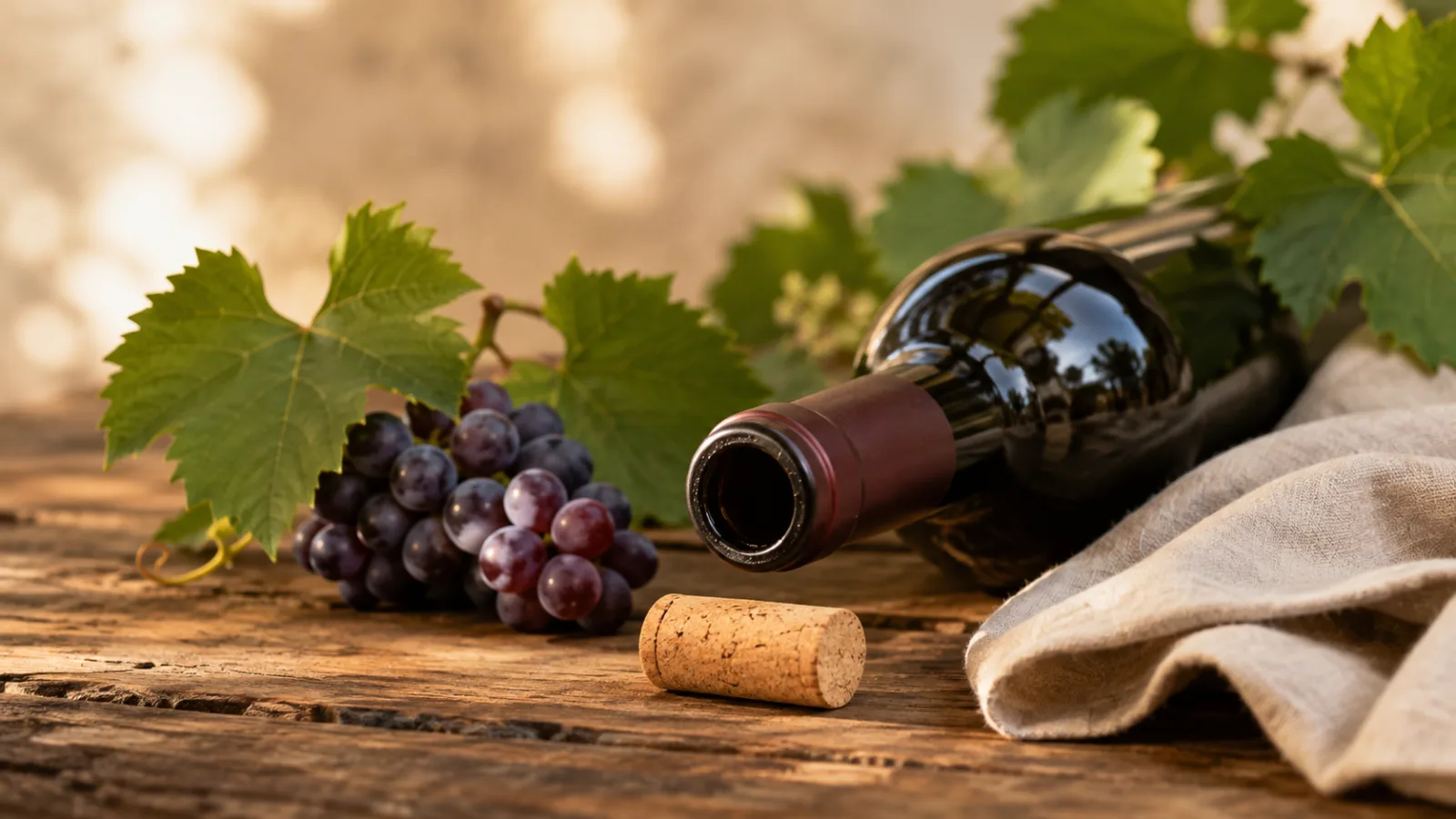
Which wine should you buy at a Wine Fair? The best selection combines accessible bottles for everyday meals, a few reliable choices, wines capable of ageing and, if the budget allows, a more prestigious cuvée. A Wine Fair can open the door to fine estates and interesting vintages.
Define your needs and budget before the Wine Fair
A relevant selection starts with the occasions on which the bottles will be opened. Wines intended for simple meals do not follow the same criteria as a bottle reserved for a birthday, a gourmet dinner or several years of cellaring. Estimate how many wines you need for each use: aperitifs, family meals, barbecues, slow-cooked dishes, fish, meat or a cheese platter.
Your preferences should then guide your basket. Do you prefer the freshness of a Chablis, the fruit of a Beaujolais cru, the finesse of a Burgundy Pinot Noir or the structure of a Rhône red? It is useful to note the regions, grape varieties and styles you already enjoy, as well as those you would like to discover. This short list helps you avoid being seduced only by a famous label or a spectacular discount.
Also determine your drinking horizon. A ready-to-drink wine should offer pleasant balance right now, while a bottle for cellaring requires a suitable structure and good storage conditions. Without a cool, dark and stable cellar, it is better to limit purchases intended for long-term ageing. Potential ageing capacity remains an estimate: it depends on the estate, vintage, appellation, format and storage.
Finally, set a total budget and a maximum price per bottle. Keeping a margin of around 10% allows you to seize an unexpected opportunity without throwing your budget off balance.
Which types of wine should you prioritize during a Wine Fair?
Ready-to-drink wines are the most useful foundation. Look for balanced cuvées from vintages that are already approachable and suited to your usual cooking. Fresh whites, fruity reds and well-chosen regional appellations can offer more pleasure than an ambitious wine opened too early. Tasting notes should specify the level of maturity, structure and drinking window rather than being limited to a score.
Bottles for cellaring also have their place if you have suitable storage. Reds with a solid tannic framework and sufficient acidity, such as certain Burgundy wines, Bordeaux, Beaujolais crus or Rhône wines, can evolve harmoniously. Some great whites made from Chardonnay, Chenin or Riesling also have real ageing potential. However, each cuvée must be assessed individually: appellation or grape variety alone never guarantees longevity.
A Wine Fair is also ideal for discovery cuvées: appellations neighboring a renowned terroir, estates that are still little known, or less familiar grape varieties. To limit the risk, first buy one or two bottles. This lets you discover a Corsican Vermentinu, a cru Gamay, a Loire Cabernet Franc or a Rhône blend without tying up too much of your budget.
FAQ : choisir ses vins pendant une Foire aux vins
What budget should you plan for a Wine Fair?
There is no universal budget. Set an amount that matches your consumption and storage capacity, then determine a maximum price per bottle. Even with a moderate budget, it is better to buy fewer carefully chosen wines than to multiply references simply because they are discounted.
Should you buy wines for cellaring during a Wine Fair?
Yes, if the cuvée has documented ageing potential and if you have a cool, dark place with no vibrations and limited temperature fluctuations. Without suitable conditions, prioritize wines that are ready to drink within two to five years.
Is the vintage decisive when choosing a wine?
The vintage influences grape ripeness, balance and sometimes ageing potential, but it should not be assessed independently of the estate and terroir. A meticulous producer can make an excellent cuvée in a challenging year, while a reputed vintage does not guarantee every bottle.
Can you buy Wine Fair wines online?
Yes. Buying online makes it easier to compare cuvées, vintages and prices. However, check the delivery terms, bottle protection, stated storage conditions, customer service and the policy applicable in the event of breakage or a defect.