



Chardonnay grape variety: origins, styles and Burgundy terroirs
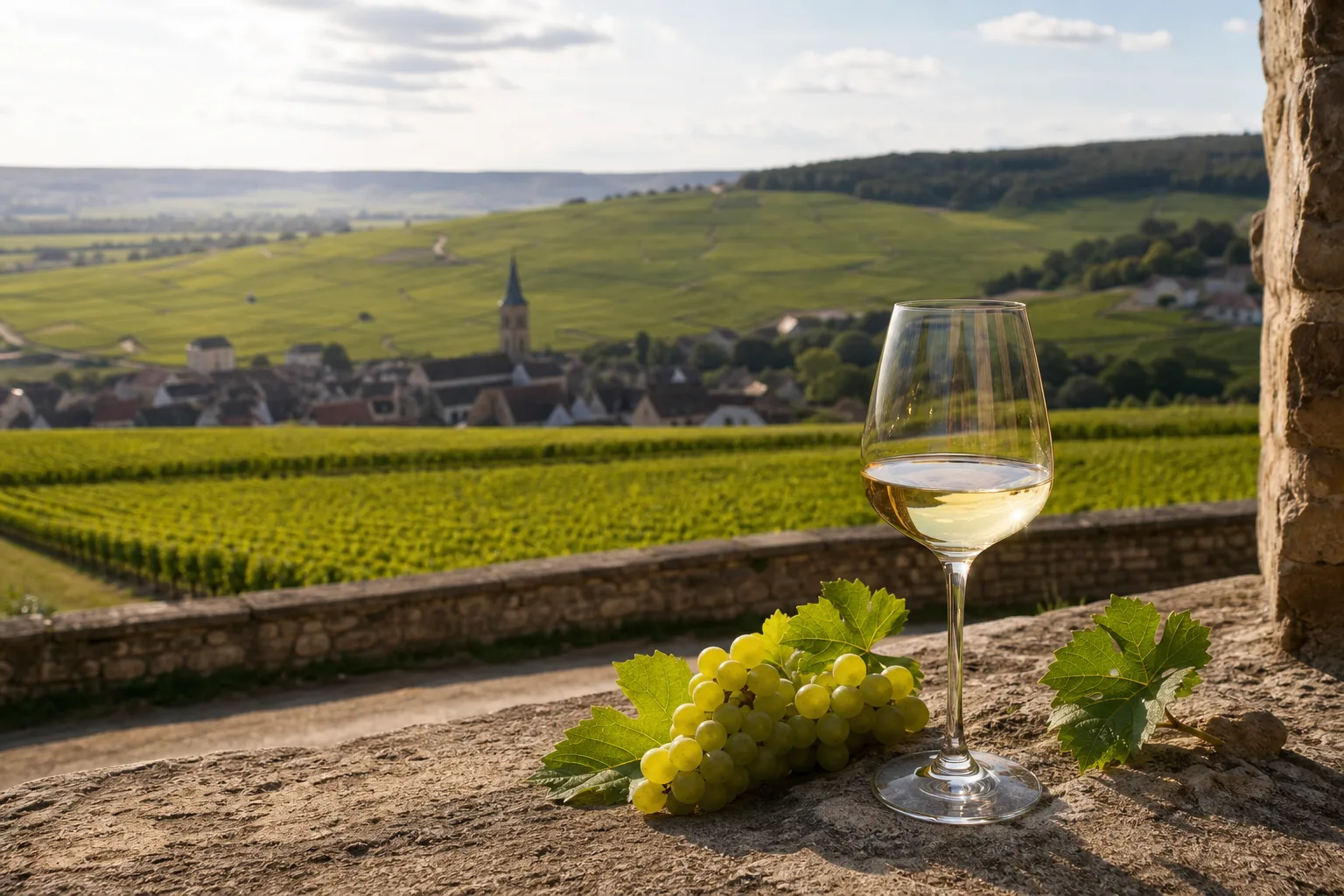
The Chardonnay grape variety is one of the world’s greatest white grapes: famous, sometimes misunderstood, and remarkably precise when grown on fine terroirs. Originally from Burgundy, it produces dry white wines, still or sparkling, ranging from lemony, mineral freshness to broader, buttery, honeyed or toasted expressions. Its strength lies in its transparency: rather than a single taste, Chardonnay reveals the place, the climate, the vintage and the hand of the winegrower.
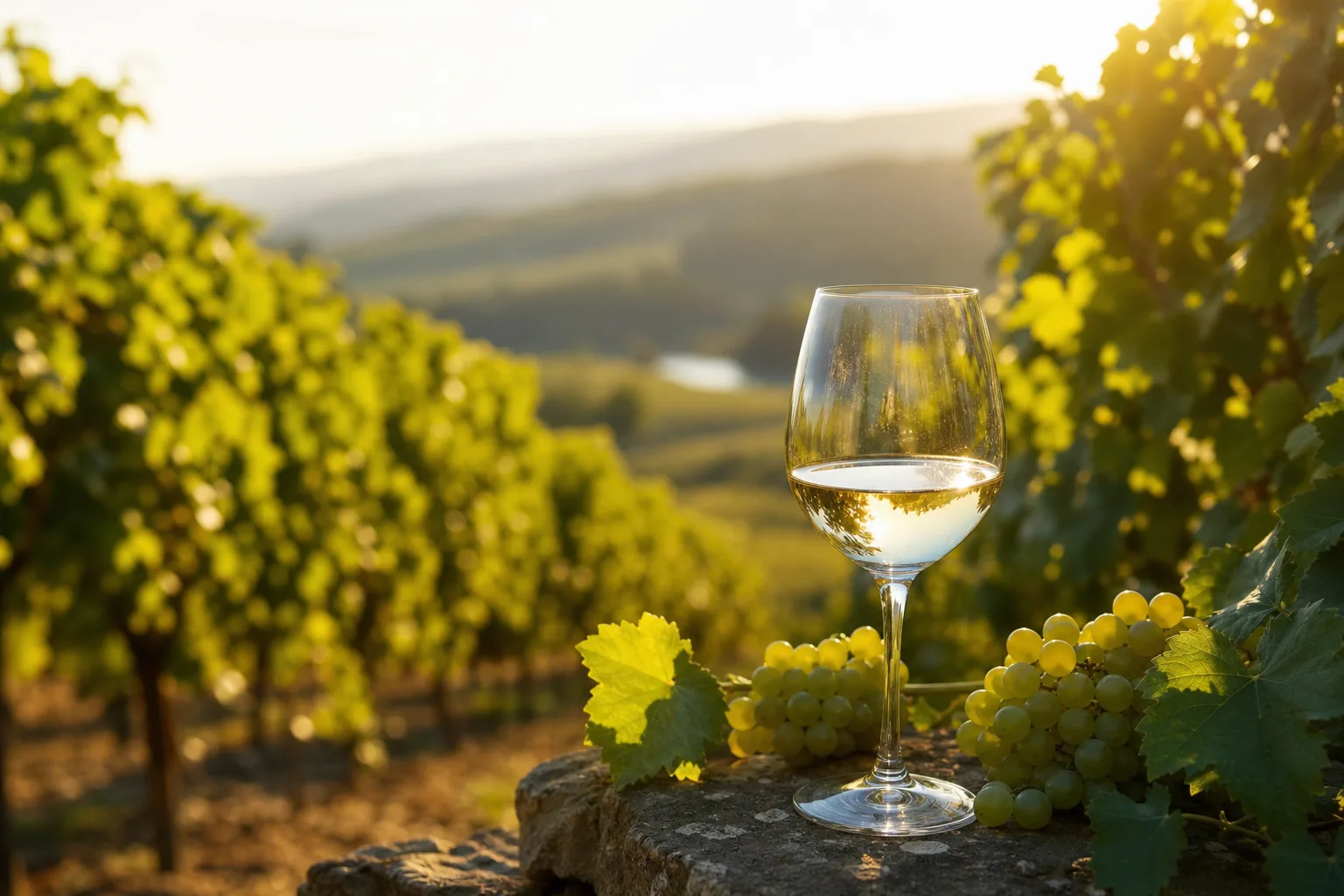
Origins and history of the Chardonnay grape variety
Chardonnay has its roots in Burgundy, where it has become the benchmark great white grape variety. Its name is thought to come from the village of Chardonnay in the Mâconnais, even though its history extends far beyond this single geographical point. Genetic analyses have shown that it is the result of a natural crossing between Pinot and Gouais blanc, two ancient grape varieties that played a major role in shaping Burgundy’s wine heritage.
A grape variety born in the Burgundian crucible
Burgundy gave Chardonnay an ideal field of expression: a mosaic of limestone soils, marls, well-exposed slopes and microclimates known here as climats. In this region, the grape variety does not seek to impose a uniform aromatic signature; it becomes the messenger of the place. This ability explains its prestige, from Chablis to the grands crus of the Côte de Beaune.
Global spread without loss of identity
Chardonnay then spread to almost all the world’s major wine regions: Champagne, Jura, Languedoc, California, Australia, Chile, South Africa, Italy and New Zealand. This expansion is due to its relative adaptability, but also to its ability to produce wines in different styles. Yet its historical models remain deeply tied to Burgundy, where the balance between ripeness, acidity, texture and minerality remains a benchmark.
The characteristics of Chardonnay in the vineyard
In the vineyard, Chardonnay is a white grape variety with moderate to good vigour, generally fairly early ripening. This precocity is an advantage in cool regions, as it allows the grapes to reach satisfactory ripeness before the autumn cold. However, it is also a springtime risk: early budbreak makes the vine sensitive to frost, a well-known challenge in Chablis as in other parts of Burgundy.
Clusters, berries and ripeness
Chardonnay bears rather small to medium-sized clusters, often compact, with moderately sized, thin-skinned berries. This compactness can encourage certain fungal diseases if humidity sets in, especially grey rot. The winegrower’s work — controlling yields, ventilating the canopy and choosing the harvest date — is therefore decisive in obtaining healthy, balanced grapes.
Acidity, sugar and natural balance
Chardonnay can accumulate sugar efficiently while retaining valuable acidity in cool or temperate climates. This balance is one of its great strengths. Picked too early, it can seem austere, vegetal or thin; picked too late, it gains opulence but may lose tension. The best wines often emerge from this fine line: full ripeness without excessive richness.
Aromas and flavour profiles of wines made from Chardonnay
Wines made from Chardonnay cannot be reduced to a single aromatic register. In the freshest expressions, you find notes of lemon, grapefruit, green apple, pear and white flowers, sometimes with a chalky or saline sensation. In riper styles, the aromas evolve toward peach, apricot, yellow fruit, subtle pineapple or honey.
From a lively, mineral profile to a broad, buttery one
A cool-climate Chardonnay aged with little or no new oak will often offer a straight, taut palate driven by acidity and a mineral finish. Conversely, a Chardonnay from a sunnier terroir, harvested at full ripeness and aged in barrel, can develop a broader texture, with nuances of fresh butter, brioche, hazelnut, vanilla or toast. These notes do not come only from the grape: they also arise from fermentation, ageing on lees and contact with oak.
How it evolves with age
After a few years in the cellar, great Chardonnays gain in complexity. Primary aromas of fresh fruit fade in favour of notes of hazelnut, almond, butter, honey, wax, warm stone or white truffle in certain evolved expressions. The best wines then retain an acidic backbone that prevents any heaviness and lengthens the finish.
Chardonnay is less a grape variety of signature than one of revelation: it speaks first and foremost the language of the place where it grows.
Grands Bourgognes
Chardonnay in Burgundy: iconic terroirs and appellations
In Burgundy, Chardonnay reaches an exceptional diversity of expression. From north to south, it changes face without losing its guiding thread: the search for balance between substance, freshness and precision. Burgundy’s appellations have built part of their worldwide reputation on this ability to produce terroir-driven white wines, ranked by villages, premiers crus and grands crus.
Chablis: tension, limestone and freshness
In Chablis, Chardonnay often expresses itself in a chiselled style, marked by freshness, citrus fruit, white flowers and a mineral sensation sometimes evoking chalk, seashells or flint. Soils rich in limestone and marl, notably of Kimmeridgian origin in the most renowned sectors, contribute to this taut, saline identity. Ageing is often more discreet here than in certain parts of the Côte de Beaune.
Côte de Beaune: depth, nobility and great whites
The Côte de Beaune brings together some of Chardonnay’s most prestigious names: Meursault, Puligny-Montrachet, Chassagne-Montrachet, Saint-Aubin, Pernand-Vergelesses, Corton-Charlemagne and the grands crus linked to Montrachet. Here the wines can gain in breadth, density and complexity, with more enveloping textures and often more ambitious ageing, without the best examples giving up their tension.
Côte Chalonnaise and Mâconnais: accessibility and energy
Further south, the Côte Chalonnaise and the Mâconnais offer expressive Chardonnays, often more accessible in their youth. Rully, Montagny, Mercurey blanc, Givry blanc, Viré-Clessé, Saint-Véran and Pouilly-Fuissé illustrate the richness of these terroirs. The Mâconnais in particular combines ripe fruit, roundness and limestone freshness, with cuvées capable of matching more famous appellations in finesse.
The influence of climate and terroir on Chardonnay styles
Chardonnay is a grape variety that is particularly sensitive to its environment. In a cool climate, it gives straight, nervy wines, sometimes austere in their youth, but with strong ageing potential. In a warmer climate, it gains in richness, potential alcohol and ripe-fruit aromas, with the risk of losing liveliness if the harvest is not precisely managed.
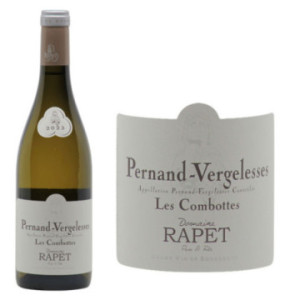
Pernand-Vergelesses Blanc Les Combottes 2023
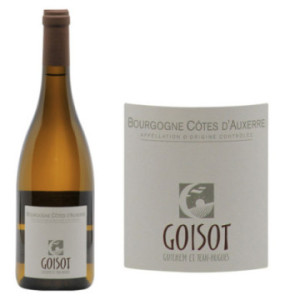
Bourgogne Côtes d'Auxerre Blanc 2023
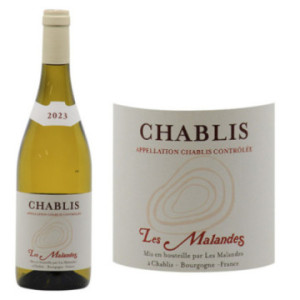
Chablis "Les Malandes" 2023
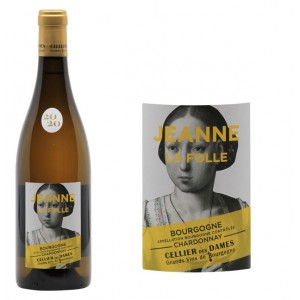
Bourgogne Chardonnay "Jeanne La Folle" 2020
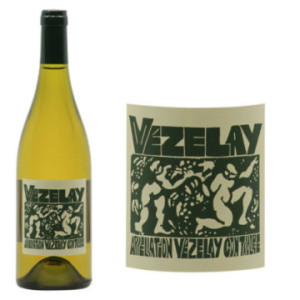
Vézelay "Les Angelots" 2021
-
91
-

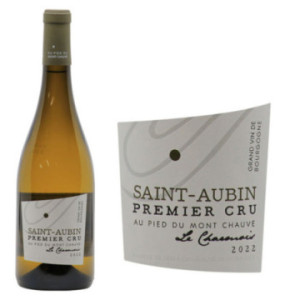
Saint-Aubin 1er Cru Le Charmois 2022
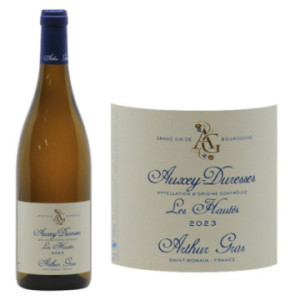
Auxey-Duresses Blanc Les Hautés 2023
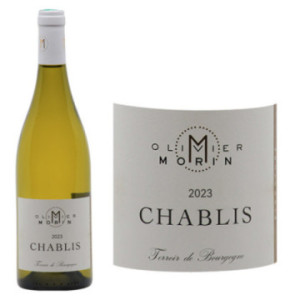
Chablis 2023
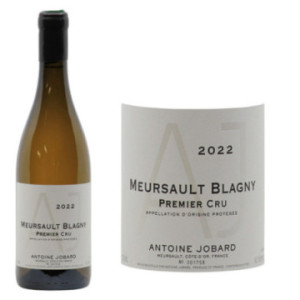
Meursault 1er Cru Blagny 2022
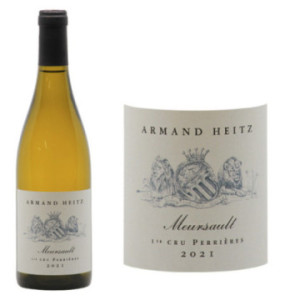
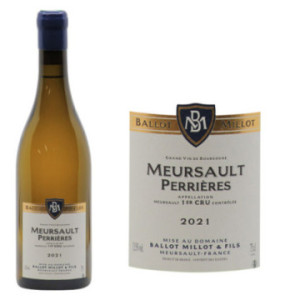
Meursault 1er Cru Perrières 2021
-
94
Meursault 1er Cru Perrières 2021
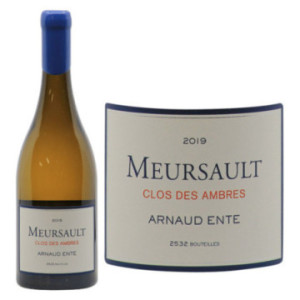
Meursault "Clos des Ambres" 2019
Limestone soils, marls and mineral expression
Limestone soils play a major role in the identity of many Burgundian Chardonnays. They often favour precise, elongated profiles, with an impression of salinity or tension. Marls, depending on their proportion of clay and limestone, can bring greater volume, depth or flesh. Terroir, however, cannot be reduced to soil alone: altitude, exposure, slope, drainage and rooting depth matter just as much.
Vintage and ripeness: two decisive variables
The same terroir can produce very different Chardonnays depending on the vintage. Cool years accentuate acidity, citrus fruit and tension; sunny years favour yellow fruit, concentration and roundness. The harvest date then becomes crucial. Just a few days can shift the wine from a lively, vertical style to a broader, more generous profile.
Winemaking and ageing: how different Chardonnay styles are born
Chardonnay winemaking offers a vast palette of styles. Some winegrowers favour stainless steel tanks to preserve the brightness of the fruit, freshness and aromatic clarity. Others choose fermentation or ageing in barrels, sometimes with a proportion of new oak, to bring structure, complexity and texture. Between these two poles, there are many combinations: large oak vats, demi-muids, concrete eggs, enamelled tanks or mixed ageing regimes.
Malolactic fermentation and ageing on lees
Malolactic fermentation transforms sharper malic acid into softer lactic acid. It can round out the wine and contribute milky or buttery notes. Ageing on lees, common for great Chardonnays, nourishes the texture and develops nuances of brioche, hazelnut or cream. Bâtonnage, which consists of stirring the lees back into suspension, enhances this sense of volume when practised with restraint.
New oak, precision and balance
Oak can elevate a Chardonnay, but it can also dominate it. The best ageing does not seek to mask the wine beneath vanilla or toast; it supports the fruit, structures the palate and encourages slow oxygenation. In Burgundy, the use of barrels varies according to appellation, domaine, vine age and the desired style. A great Chardonnay is recognised by this balance: substance, ageing and acidity blend together seamlessly.
FAQ sur le cépage Chardonnay
Is Chardonnay a Burgundian grape variety?
Yes. Chardonnay is historically native to Burgundy, where it remains the benchmark great white grape variety. Today, however, it is grown in many French and international wine regions.
What does a wine made from Chardonnay taste like?
The taste depends strongly on the terroir and the winemaking. A Chardonnay can be lively, lemony and mineral, or broader, buttery, honeyed and toasted when it comes from riper grapes and benefits from barrel ageing.
Does Chardonnay always produce oaky wines?
No. Chardonnay can be vinified in stainless steel tanks, barrels, large oak vats or other vessels. Wines aged without oak often highlight freshness and fruit, while oak brings texture and toasted notes when it is well managed.
What are the great Chardonnay appellations in Burgundy?
Iconic appellations include Chablis, Meursault, Puligny-Montrachet, Chassagne-Montrachet, Saint-Aubin, Corton-Charlemagne, Pouilly-Fuissé, Saint-Véran, Viré-Clessé, Rully and Montagny.
What dishes should you serve with Chardonnay?
A lively Chardonnay pairs very well with seafood, grilled fish, oysters or fresh cheeses. A broader Chardonnay goes well with chicken in cream sauce, shellfish, risotto, fish in sauce or pressed cheeses.