

-
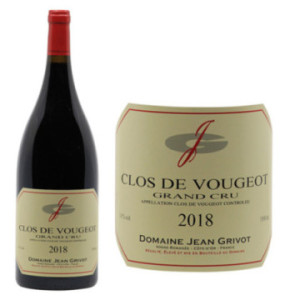
97
Clos de Vougeot 2018
-
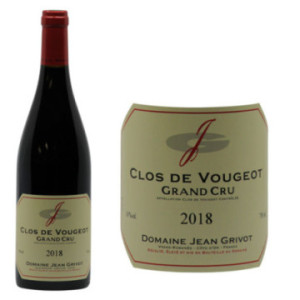
97
Clos de Vougeot 2018
-
94
-
93
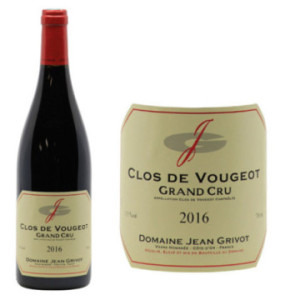
Clos de Vougeot 2016
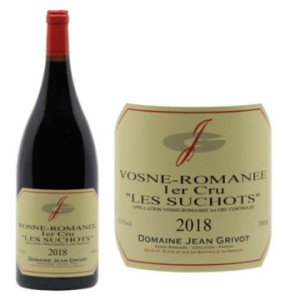
Vosne-Romanée 1er Cru Les Suchots 2018
What is the history of Jean Grivot Estate
Jean Grivot Estate, located in Vosne-Romanée, is a family-owned property with a history dating back to the French Revolution. For several generations, the Grivot family has dedicated itself to viticulture, earning a reputation for excellence in Burgundy wine production. Today, the estate spans approximately 15 hectares, including prestigious plots in renowned appellations such as Richebourg, Echézeaux, and Clos de Vougeot.
Which are the most emblematic terroirs of Jean Grivot Estate
The estate owns vineyards in the communes of Vosne-Romanée, Vougeot, Chambolle-Musigny, and Nuits-Saint-Georges. The clay-limestone soils of these regions, combined with a favorable climate, allow for the production of wines with great complexity and remarkable depth. The Grand Cru plots, notably Richebourg, Echézeaux, and Clos de Vougeot, are particularly renowned for their ability to produce exceptional wines.
What are the typical aromas of Jean Grivot Estate wines
The estate's red wines, primarily made from Pinot Noir, exhibit intense aromas of red and black fruits, such as cherry, raspberry, and blackcurrant, accompanied by spicy and floral notes. As they age, these wines develop more complex nuances, including underbrush, truffle, and leather aromas.
What is the aging potential of Jean Grivot Estate wines
Jean Grivot Estate wines are known for their longevity. Cuvées from Grand Cru plots can age for several decades, gaining complexity and depth over time. The Premier Crus and village-level wines also offer excellent aging potential, evolving favorably over 10 to 20 years.
What food pairs well with Jean Grivot Estate wines
The estate's wines pair perfectly with refined dishes. The reds are ideally matched with grilled or roasted red meats, such as beef tenderloin or leg of lamb, as well as with sauced dishes like coq au vin. Aged cheeses, particularly soft cheeses with washed rinds, also make an excellent accompaniment.
Why choose a wine from Jean Grivot Estate
Choosing a wine from Jean Grivot Estate means selecting the excellence and authenticity of great Burgundy wines. The combination of generational know-how, exceptional terroirs, and meticulous winemaking ensures wines of remarkable quality, faithfully reflecting the expression of each plot.