Votre panier (0)

    Your cart is empty.

Spend 300,00 € plus to get free shipping in mainland France

0 items €0.00
Total (tax incl.) €0.00
Filter by
Région
Appellation
Type
Domain
Grape variety
Organic
Vintage
Size
Color
Degree
Price
€ €
Filter

Pommard En Boeuf
2 in stock

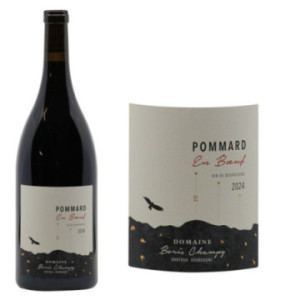
Pommard En Boeuf 2024
Côte de Beaune
Red Wine
Boris Champy
€142.00
/ 150 cl : Magnum
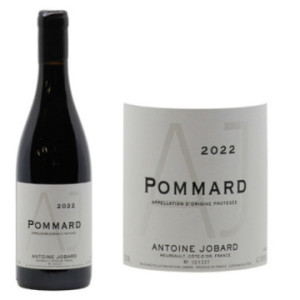
Pommard

Pommard 2022

Côte de Beaune
Red Wine
Domaine Antoine Jobard
€70.00
/ 75 cl : Bottle
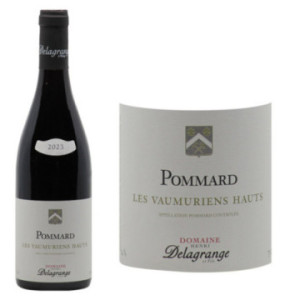
Pommard Les Vaumuriens

Pommard Les Vaumuriens 2023

Côte de Beaune
Red Wine
Didier Delagrange
€44.00
/ 75 cl : Bottle
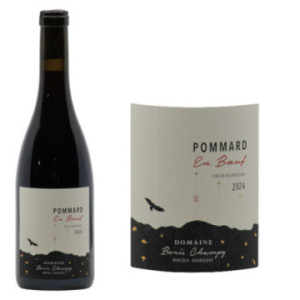
Pommard En Boeuf
  • bio

Pommard En Boeuf 2024

Côte de Beaune
Red Wine
Boris Champy
€68.00
/ 75 cl : Bottle

What is the Pommard appellation?

Pommard is a prestigious Côte de Beaune appellation, renowned for its bold and structured red wines. Located between Beaune and Volnay, it produces 100% Pinot Noir wines known for their intensity and excellent aging potential.

What are the main grape varieties in Pommard?

Pinot Noir is the sole grape variety, creating wines with aromas of black cherry, blackcurrant, licorice, and leather, featuring strong tannic structure and deep complexity.

How does Pommard compare to its neighboring appellations?

Unlike the silky and elegant wines of Volnay, Pommard wines are more robust and full-bodied, with a firmer tannic structure. They are closer in style to Côte de Nuits wines in terms of power.

Which are the most renowned Premier Cru vineyards in Pommard?

Top Pommard Premier Cru vineyards include Les Rugiens, Les Épenots, Clos des Epeneaux, and Les Pezerolles, producing dense, long-aging wines.

What are the typical aromas of Pommard wines?

Pommard wines reveal aromas of black fruits (blackcurrant, blackberry), violet, pepper, and forest floor, evolving with age into notes of truffle and leather.

Do Pommard wines have good aging potential?

Yes, these wines can age for 10 to 20 years, developing remarkable complexity and finesse while softening their tannic structure.

What food pairs well with Pommard?

Pommard pairs perfectly with grilled red meats, game, beef bourguignon, and aged cheeses such as Époisses or Comté.

Why choose a Pommard wine?

Known for its power and depth, Pommard is a must-have for lovers of great Burgundy reds, offering the perfect balance between intensity and elegance.

Where to buy a high-quality Pommard?

Grands Bourgognes offers a carefully curated selection of the finest Pommard wines, stored under optimal conditions and ready for delivery for an exceptional tasting experience.

FREQUENTLY ASKED QUESTIONS

Which Pommard wines should you bring together for a tasting of the 2019 vintage?

You can compare Philippe Pacalet’s Pommard, Dominique Laurent’s Pommard “Vieilles Vignes,” Les Vaumuriens from De Courcel, and Les Noizons from Nicolas Rossignol, all from 2019. This selection lets you discover several estates and cuvées while keeping the same vintage as a point of reference.

Which wines should you compare to discover Pommard Les Vaumuriens?

The selection includes De Courcel’s 2019 Les Vaumuriens and Didier Delagrange’s 2022 Les Vaumuriens, both in 75 cl bottles. The comparison therefore covers two producers and two different vintages; it does not allow you to isolate the effect of the estate alone.

Which vintages of Boris Champy’s Pommard En Boeuf can you compare?

Boris Champy’s Pommard En Boeuf is available in 2021, 2022, and 2023, all in the same 75 cl format. These three wines provide a starting point for a vertical tasting, keeping the producer and cuvée the same.

How is this selection of Pommard divided by color and classification?

All 24 wines are red Pommard wines from the Côte de Beaune, and 23 are listed as Village wines. Pinot noir is indicated for 21 wines; the information provided does not specify the grape variety for the other three or the classification of the last one.

Which Pommard formats should you choose depending on the number of guests?

The selection includes 18 wines in 75 cl bottles, three in 150 cl magnums, and three in 300 cl jeroboams. A magnum holds the equivalent of two bottles and a jeroboam the equivalent of four: these larger formats make it possible to share the same wine with more guests.