

 Marsannay
 Morey-Saint-Denis
 Hautes-Côtes de Nuits
 Gevrey-Chambertin

 Clos de Tart

 Chambertin Clos-de-Bèze
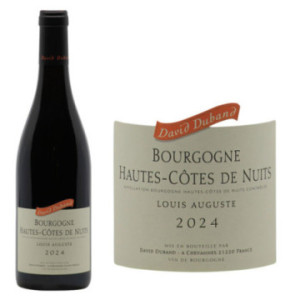
Bourgogne Hautes-Côtes de Nuits "Louis... 2024
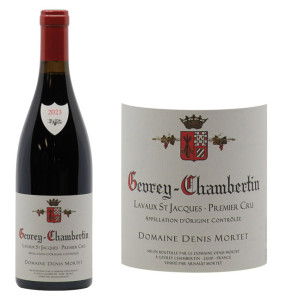
Gevrey-Chambertin 1er Cru Lavaux... 2023
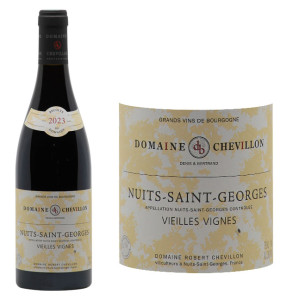
-
92
-
90
Nuits-Saint-Georges 'Vieilles Vignes' 2023
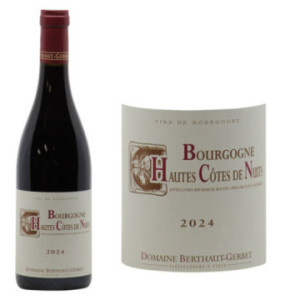
Bourgogne Hautes-Côtes de Nuits 2024
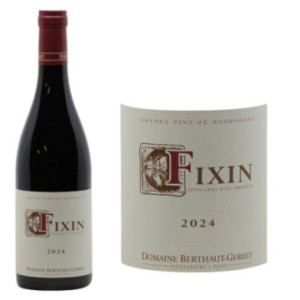
Fixin Rouge 2024
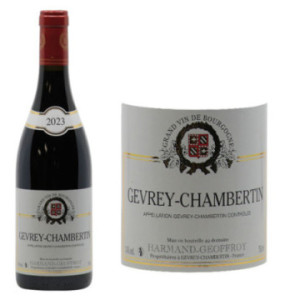
Gevrey-Chambertin 2023
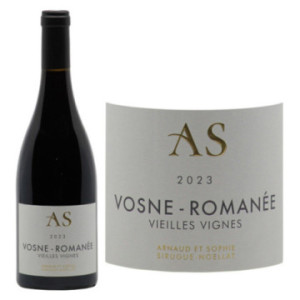
Vosne-Romanée 'Vieilles Vignes' 2023
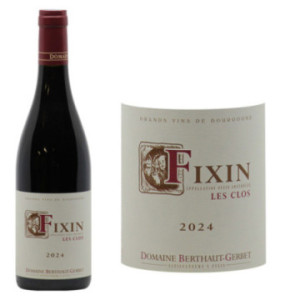
Fixin Les Clos 2024
-
92-94
-

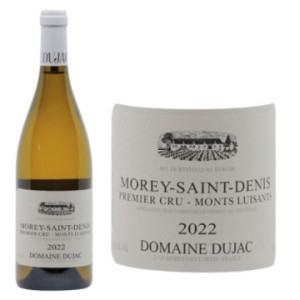
Morey-Saint-Denis 1er Cru Blanc Monts... 2022
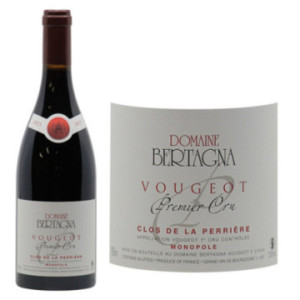
Vougeot 1er Cru Clos de La Perrière... 2023
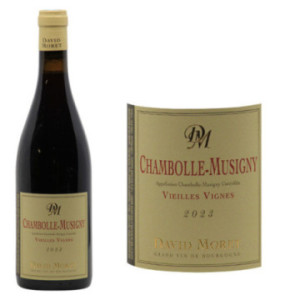
Chambolle-Musigny 'Vieilles Vignes' 2023
What is Côte de Nuits and Why is it Unique?
Côte de Nuits is a renowned sub-region of Burgundy, stretching from Marsannay to Nuits-Saint-Georges over approximately 20 kilometers. It is famous for producing some of the world’s greatest red wines, exclusively from Pinot Noir. Its exceptional terroir, composed of limestone and marl soils, combined with a continental climate, gives the wines remarkable depth, complexity, and aging potential.
Which Grapes Are Grown in Côte de Nuits?
The dominant grape of Côte de Nuits is Pinot Noir, which thrives here like nowhere else. This delicate variety fully expresses the diversity of Burgundy’s terroirs, producing wines of great finesse with aromas of red fruits, spices, and forest floor. Although rare, Chardonnay is also cultivated in certain appellations, such as Marsannay and Vougeot, yielding elegant and structured white wines.
What Are the Different Appellations of Côte de Nuits?
Côte de Nuits is structured into a hierarchy of appellations that reflect the diversity and excellence of its terroir:
- Regional appellations: Bourgogne Côte d’Or, Bourgogne Hautes-Côtes de Nuits.
- Village appellations: Marsannay, Fixin, Gevrey-Chambertin, Morey-Saint-Denis, Chambolle-Musigny, Vougeot, Vosne-Romanée, and Nuits-Saint-Georges.
- Premier Cru appellations: Each village has classified climats recognized for their complexity and aging potential.
- Grand Cru appellations: Côte de Nuits is home to 24 of Burgundy’s 33 Grand Crus, including Romanée-Conti, Chambertin, Musigny, and Clos de Vougeot—renowned worldwide for their excellence.
How to Pair Côte de Nuits Wines with Food?
The rich and deep red wines of Côte de Nuits pair perfectly with grilled or sauced red meats, such as beef bourguignon or roasted duck. They also complement aged cheeses like Époisses or Comté. The rare white wines from this region, fresh and elegant, pair beautifully with shellfish or creamy fish dishes.
Why Are Côte de Nuits Wines So Highly Regarded?
Côte de Nuits wines are considered the ultimate benchmark for Pinot Noir. They offer a unique expression of Burgundy’s terroir, combining power, finesse, and aromatic complexity. These wines are highly sought after for their aging potential and rarity, particularly the Grands Crus, which are produced in limited quantities and stand among the most prestigious wines in the world.
What Is the Aging Potential of Côte de Nuits Wines?
Côte de Nuits wines have excellent aging potential. Village-level and some Premier Cru wines can be enjoyed between 5 and 15 years after the vintage, while Grand Crus reach their peak after 15 to 30 years, developing complex aromas of truffle, leather, and spices.
Where to Buy High-Quality Côte de Nuits Wines?
To acquire authentic and perfectly stored wines, it is recommended to purchase from specialists like Grands Bourgognes. Their selection includes the finest producers from Côte de Nuits, ensuring optimal traceability and storage conditions.
How Important Is Terroir in Côte de Nuits Wines?
Terroir plays a fundamental role in defining Côte de Nuits wines. The alternating limestone and marl soils, combined with the ideal exposure of the vineyards, allow Pinot Noir to express itself in an unparalleled way. Each vineyard parcel, each climat, brings a unique nuance, making every cuvée distinctive and true to its origin.