



Harvest in Burgundy: how is the picking date decided?
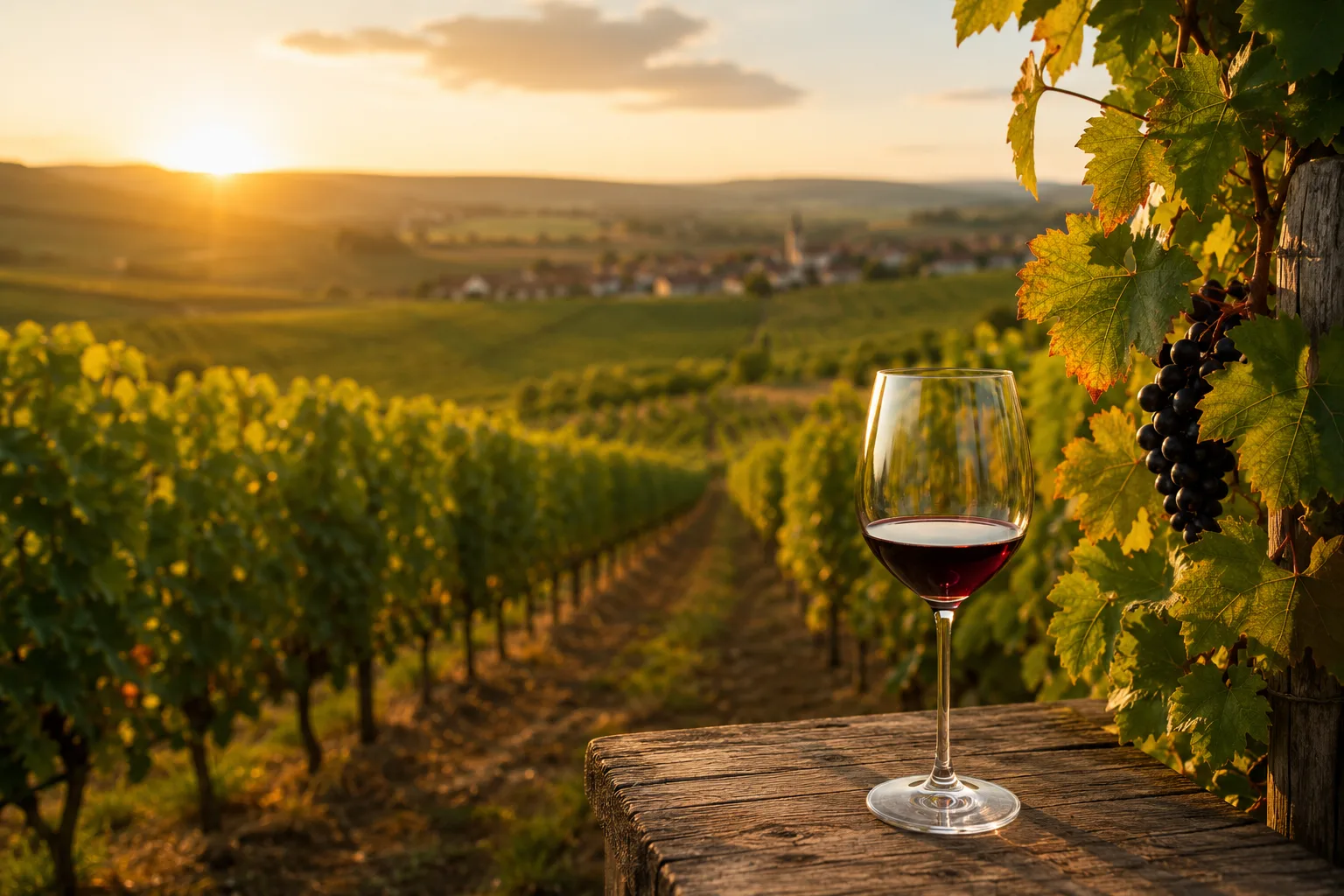
The harvest date in Burgundy is decided by combining ripeness analyses, berry tasting, weather forecasts and the sanitary observation of each vineyard. There is therefore no single ideal day that applies to the entire region: an estate may harvest two neighbouring plots several days apart in order to preserve the desired balance. This decision, sometimes made within a very narrow window, determines the alcohol level, acidity, aromas, texture and ageing potential of the future wine.
Why is the harvest date so decisive in Burgundy?
Harvesting means interrupting grape ripening at what is considered the most appropriate moment. Before picking, berries generally accumulate sugars while their acidity evolves, the pips and skins ripen and the aromatic profile becomes more defined. A difference of just a few days can therefore significantly influence the style of a wine.
An early harvest tends to preserve greater freshness and a more moderate potential alcohol level, but it can also produce vegetal aromas, insufficient substance or firm tannins if ripeness is not complete. A later harvest can bring richness, colour and complexity, with the risk of losing acidity, increasing potential alcohol or seeing the berries become excessively concentrated.
The stakes are particularly high in Burgundy, where wines aim to express their grape variety, vintage and climat with precision. For a pinot noir destined to become a fine red capable of ageing, tannin ripeness, freshness and aromatic intensity must be reconciled. For a chardonnay, the choice depends in particular on the desired balance between tension, fruit ripeness, breadth and ageing potential. The best date is therefore not necessarily the one that gives the sweetest grapes, but the one that offers the most coherent balance for the plot and the wine being sought.
Grape ripeness, the first criterion for setting the harvest date
As harvest approaches, estates take representative samples in the vineyards. The berries must come from different rows, heights and areas of the plot to avoid a particularly ripe or late-ripening sample distorting the analysis. These checks are repeated over the following days to observe a trend rather than a single isolated value.
Technological ripeness is assessed based on sugar content, total acidity and pH. Sugar indicates the potential alcoholic strength after fermentation. Acidity and pH help anticipate freshness on the palate, but also certain microbiological balances and the wine’s stability. The ratio between sugars and acidity often matters more than either of these parameters considered in isolation.
Phenolic ripeness mainly concerns the compounds found in the skins and pips. It is essential for pinot noir, where colour, tannin quality and extractability are examined. Pips that are still green, skins that are difficult to chew or strong astringency may indicate incomplete ripeness, even when the sugar level appears satisfactory.
Aromatic ripeness is judged in particular by tasting the berries. The winegrower observes the flavour of the pulp, the character of the aromas, the texture of the skin and the possible presence of vegetal notes. Figures provide essential reference points, but they replace neither tasting nor historical knowledge of the plot. The decision emerges from comparing them all.
How does the weather influence the decision to harvest?
Ideal ripeness must be considered in its weather context. A few days before harvest, a dry period with moderate sunshine may make it possible to wait for aromas and tannins to develop further. Conversely, the forecast arrival of a significant rainy spell may encourage earlier picking, especially if the grapes are already close to the desired balance.
Rain can temporarily swell the berries and dilute certain components. Prolonged humidity also encourages the development of Botrytis cinerea, responsible for grey rot, or other forms of spoilage such as sour rot. The risk, however, depends on the condition of the bunches, the ventilation of the canopy, the thickness of the skins and how quickly the grapes dry after rainfall.
Intense heat can accelerate sugar accumulation, cause acidity to drop and lead to berry dehydration. Estates may then bring the harvest forward or organise picking during the coolest hours. Hail represents a more sudden danger: when such an event is forecast, the decision takes into account its likely intensity and the real possibility of bringing the grapes in on time. After an impact, damaged berries become more vulnerable to oxidation and contamination.
The winegrower therefore weighs up two risks: harvesting slightly before the hoped-for optimum, or waiting at the cost of possible deterioration. Forecasts never provide absolute certainty. They are compared with the sanitary condition observed in the rows, because a perfectly healthy plot will tolerate a few extra days of waiting better than a vineyard where pockets of spoilage are already appearing.
A date adapted to each plot, grape variety and appellation
Burgundy stretches across several sub-regions and brings together a mosaic of slopes, soils and microclimates. Altitude, exposure, slope, soil depth and water-retention capacity all affect the pace of ripening. A vineyard facing the rising sun does not react like a higher, cooler plot with a different orientation. Even within a single appellation, each climat may follow its own calendar.
Pinot noir and chardonnay do not express their ripeness in the same way. For the former, the quality of the skins, tannins and pips plays a major role. For the latter, the estate often seeks a point of balance between sugars, acidity and aromatic expression. It would nevertheless be inaccurate to claim that one is always harvested before the other: their picking order depends on the site, plant material, yield, water status and the style of wine being aimed for.
The crop load carried by the vine, the age of the vines, the choice of rootstock, vigour and viticultural practices create further differences. Grapes intended for a cuvée prioritising tension may also be harvested before those destined for a wine seeking greater ripeness and depth. Estates therefore establish a picking order, often revised daily based on new analyses and tastings.
This plot-by-plot harvest explains why picking at a single estate can extend over several days, or even longer when the vineyard holdings are scattered. The date announced as the “start of harvest” then represents only the first day of a progressive campaign, not a shared point of ripeness for all Burgundy vineyards.

Chambertin Clos-de-Bèze 2021
-
96
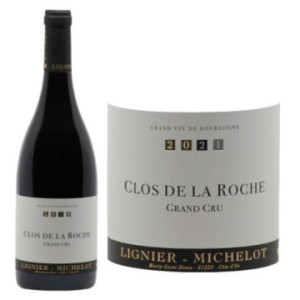
Clos de la Roche 2021

-
95
-
93
-

Charmes-Chambertin 2021
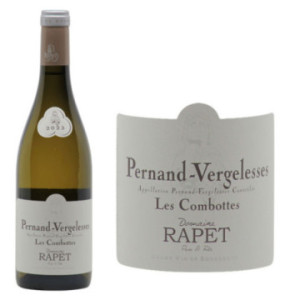
Pernand-Vergelesses Blanc Les Combottes 2023

-
95
-
Vosne-Romanée 1er Cru Les Beaux Monts 2022
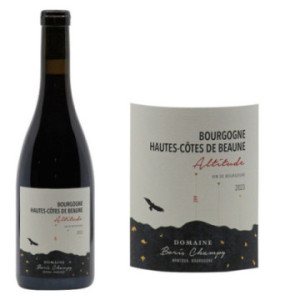
Bourgogne Hautes-Côtes de Beaune "Altitude" 2023

Bourgogne Côtes d'Auxerre Blanc 2023

-
94
Fixin Champs de Vosger 2023
Who officially decides the start of the harvest in Burgundy?
The production of appellation wines is governed by AOC specifications, approved within the INAO framework. These define, among other things, the production area, authorised grape varieties, yields and various analytical or viticultural conditions. Depending on the appellation and the applicable rules, this framework may be supplemented by administrative measures relating to the opening of the harvest. However, this system should not be confused with a single agronomic date imposed on all plots.
Upstream, defence and management bodies, professional organisations and technical networks monitor ripening using reference plots. Their reports provide a collective view of the vintage’s progress: sugar levels, acidity, sanitary condition and pace of development. This information allows producers to compare their own observations with a regional or local trend.
The final decision to harvest a plot belongs to the estate, in compliance with the regulatory framework. The winegrower or technical manager sets the picking order according to their analyses, tastings and winemaking objectives. They must also factor in practical constraints: availability of harvesters, winery capacity, sorting speed and organisation of grape transport.
The harvest date in Burgundy is therefore both collective in its monitoring and deeply individual in its application. Ripeness networks inform the decision, regulations set its boundaries, but each estate chooses the moment when its grapes express the best compromise between balance, sanitary condition and the identity of the place.
Questions fréquentes sur les vendanges en Bourgogne
When does the harvest generally take place in Burgundy?
It most often takes place between late August and early October, depending on the vintage, sub-region, altitude and the earliness of the plots. Hot years can bring the harvest significantly forward, while a cooler growing cycle pushes it back.
Is there a single official date for all of Burgundy?
No. The regulatory framework and collective monitoring provide reference points, but appellations, grape varieties and plots do not ripen at the same time. Each estate organises its harvest in compliance with the applicable rules.
How is grape ripeness measured before harvest?
Producers sample berries and measure, in particular, their sugar content, acidity and pH. They also taste the pulp, skins and pips in order to assess aromatic ripeness and, especially for red grapes, phenolic ripeness.
Why not wait until the grapes are as sweet as possible?
Because sugar is only one element of balance. Waiting too long can reduce acidity, increase potential alcohol, alter aromas or expose the bunches to rot. The aim is to achieve harmonious ripeness, not maximum sugar.
Is pinot noir always harvested before chardonnay?
No. The order depends on the plot, exposure, soil, crop load, sanitary condition and the style being sought. A chardonnay may be harvested before a pinot noir in one sector, then after it in another.