


How to choose between several vintages of the same wine?
To choose between several vintages of the same wine, you need to consider five factors together: the year’s climate profile, the producer’s style, the stage of development of each bottle, the intended occasion, and the storage conditions. The best vintage is therefore not necessarily the most famous or the most expensive: it is the one whose balance, maturity, and drinking window best match your tastes and your plans.
Understanding what the vintage changes in a wine
The vintage corresponds, except in certain specific cases, to the year in which the grapes were harvested. It reflects a sequence of weather conditions: temperatures, sunshine, rainfall, frost, hail, wind, disease pressure, and the progress of the harvest. These factors affect the date of ripeness, the concentration of the berries, and the balance between sugars, acids, aromatic compounds, and tannins.
A hot, dry year can produce riper, more generous and concentrated wines, with higher potential alcohol and sometimes less pronounced acidity. A cool year can produce a more taut, floral, or spicy profile, but also a more austere one if the grapes struggled to ripen. These tendencies are not absolute rules: soil type, exposure, yields, harvest date, and winemaking choices strongly influence the result.
The climate of the year also influences aging potential. However, this does not depend solely on the wine’s power. Sufficient acidity, ripe tannins in reds, balanced substance, and precise winemaking all encourage harmonious development. Some sunny vintages are appealing early on thanks to their fruit, while cooler years can prove remarkably long-lived thanks to their freshness.
Comparing the style and quality of different vintages
The comparison should begin with the style you are looking for. Concentration describes the density of substance and the intensity of flavors; it should not be confused with quality. Acidity brings freshness, length, and aging ability. In red wines, tannins provide structure: their finesse and ripeness matter more than their abundance alone.
Also observe the aromatic expression. A ripe vintage may evoke black fruits, sweet spices, or heady flowers, while a cooler year may bring red fruits, citrus, floral notes, or noble vegetal nuances to the fore. For whites as well as reds, the balance between volume, freshness, and persistence is generally more telling than intensity alone.
Finally, compare the producer’s consistency. An estate that tends its vines carefully can succeed in a difficult year through grape sorting, controlled yields, and a precise harvest date. Conversely, a great regional vintage does not erase an overly abundant crop or approximate winemaking. Tasting notes relating to the exact cuvée are therefore more useful than a general assessment of the year across an entire region.
Taking the wine’s evolution and drinking window into account
Two vintages of the same wine can be at very different stages. The younger one will often show direct fruit, primary aromas, and a still-firm structure. Over time, the wine may develop secondary and tertiary notes: undergrowth, spices, leather, or dried fruit in some reds; wax, nuts, honey, or mineral nuances in some whites. This evolution depends on the wine, the grape variety, the appellation, and the storage conditions.
For near-term tasting, look for a vintage whose tannins have softened and whose bouquet is beginning to open up. A fact sheet indicating that the wine is approachable, ready to drink, or at maturity is a useful clue. Conversely, notes such as tight structure, oak still noticeable, or needs aeration suggest that further waiting may be beneficial.
The drinking window remains an estimate, not an expiration date. A bottle can go through temporary closed phases, and its evolution varies according to format and storage. Large formats generally age more slowly than half-bottles. If in doubt, buying several bottles allows you to open a first one, then adjust the cellaring time for the remaining bottles.
Choosing a vintage according to the occasion and your preferences
For an upcoming meal, the vintage should first suit the dish and be sufficiently open. A young, fruity, fresh wine can accompany simple or precise cuisine, while a more evolved vintage will more naturally find its place with deep flavors, slow-cooked meats, mushrooms, or dishes with smoky notes. However, the pairing depends on the bottle’s actual style, not just its age.
For a gift or celebration, a birth, wedding, or anniversary year has symbolic value. Still, you need to check that the wine is still suitable for drinking and that its provenance is reliable. When the year you are looking for is fragile or too old, a fortified wine or an appellation known for its longevity may be a safer solution than an ordinary still wine.
Your preferences remain decisive. Choose a young vintage if you enjoy vibrant fruit, tension, and an assertive structure; prefer a more evolved bottle if you are looking for a complex bouquet, melted tannins, and tertiary aromas. To build a cellar, diversifying the years of the same wine allows you to follow its evolution and avoid depending on a single climate profile.
Assessing price, rarity, and the pleasure-to-quality ratio
The most highly regarded vintages are often more expensive because of demand, critical ratings, and their presumed aging potential. This difference does not always mean they will provide more pleasure at the intended moment. A great year that is still closed can be less appealing in the short term than a less highly rated vintage that is already expressive and harmoniously evolved.
So-called classic, cool, or intermediate years frequently offer good opportunities, especially from consistent producers. They can provide greater finesse, more immediate drinkability, and more flexible pairings. Nevertheless, it is important to distinguish a year that is simply less publicized from a vintage genuinely marked by insufficient ripeness, excessive yields, or disease issues.
To assess the pleasure-to-quality ratio, compare the price, stage of maturity, remaining aging potential, and intended use. The extra cost of a rare bottle is more justified for a collection or celebration than for an informal meal. Also check whether the rarity is real: low production, well-preserved old stock, or a special format. A prestigious vintage mention alone is not enough to justify just any price gap.
Checking provenance and storage conditions
The older a bottle is, the more important its history becomes. A stable temperature, ideally cool, along with the absence of direct light, vibrations, and sudden temperature variations, promotes good preservation. A bottle from a documented professional or private cellar generally inspires more confidence than one whose storage conditions are unknown.
Examine the wine level, taking into account the age and shape of the bottle. A slight drop can be normal in an old wine, but an abnormally low level may indicate evaporation or a faulty seal. Also look for signs of leakage, a damaged capsule, a cork that has risen or sunk, as well as unusual color variations. A stained label does not necessarily indicate a spoiled wine, but it can provide clues about humidity and how the bottle has been handled.
Traceability should specify, as far as possible, the bottle’s origin, its successive owners, and its storage conditions. When buying from a specialist retailer, ask about the checks carried out and the applicable guarantees. When choosing between two old vintages, a less prestigious but perfectly preserved bottle is often a safer choice than a great year with an uncertain history.
Questions fréquentes sur le choix d’un millésime
Should you always choose the highest-rated vintage?
No. A high score reflects an assessment at a given moment and according to certain criteria. The producer’s style, your taste, the drinking window, storage, and price should also guide your choice.
Is an old vintage necessarily better?
No. Not all wines are intended for long aging, and a bottle may decline after its peak. Age is only an advantage if the wine had the necessary structure and if it was properly stored.
How do you choose a vintage to drink right away?
Choose a year described as approachable or at maturity, with softened tannins for a red and a bouquet that is already open. Consult recent notes on the exact cuvée and, if necessary, allow for suitable aeration.
Can a less highly rated year offer better value for money?
Yes. From a consistent producer, a less sought-after year can yield a fresh, balanced, ready-to-drink wine at a more reasonable price. However, you should check the quality of the specific cuvée rather than relying solely on the vintage’s general reputation.
Which criterion should you prioritize when buying an old vintage?
Provenance comes first. A reliable storage history, a level consistent with the wine’s age, an intact capsule, and the absence of leakage are essential. Questionable storage can cancel out the qualities of an otherwise prestigious year.
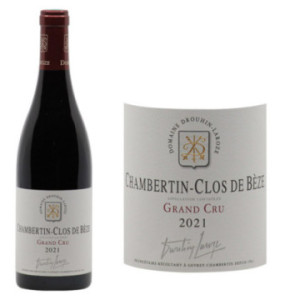
Chambertin Clos-de-Bèze 2021
-
96
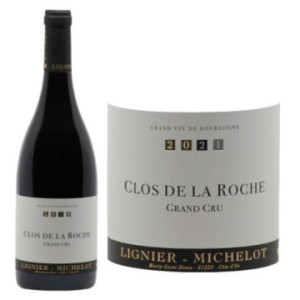
Clos de la Roche 2021
-
95
-
93
-

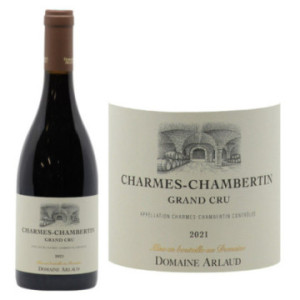
Charmes-Chambertin 2021
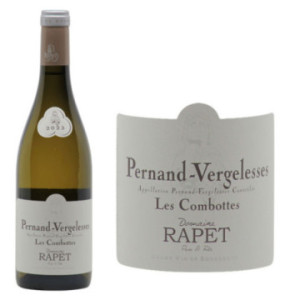
Pernand-Vergelesses Blanc Les Combottes 2023
-
95
-
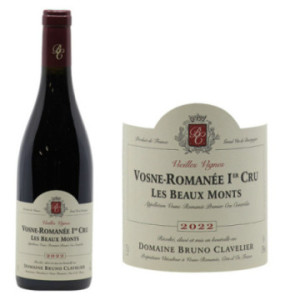
Vosne-Romanée 1er Cru Les Beaux Monts 2022
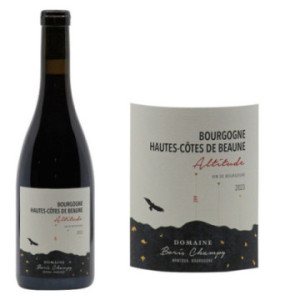
Bourgogne Hautes-Côtes de Beaune "Altitude" 2023
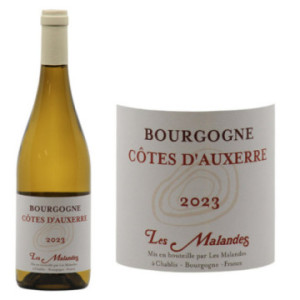
Bourgogne Côtes d'Auxerre Blanc 2023
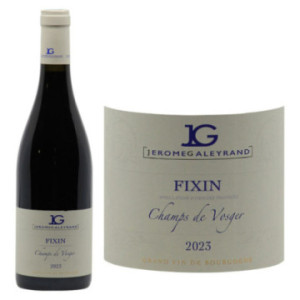
-
94