



Vintage: why is late-summer weather so important?
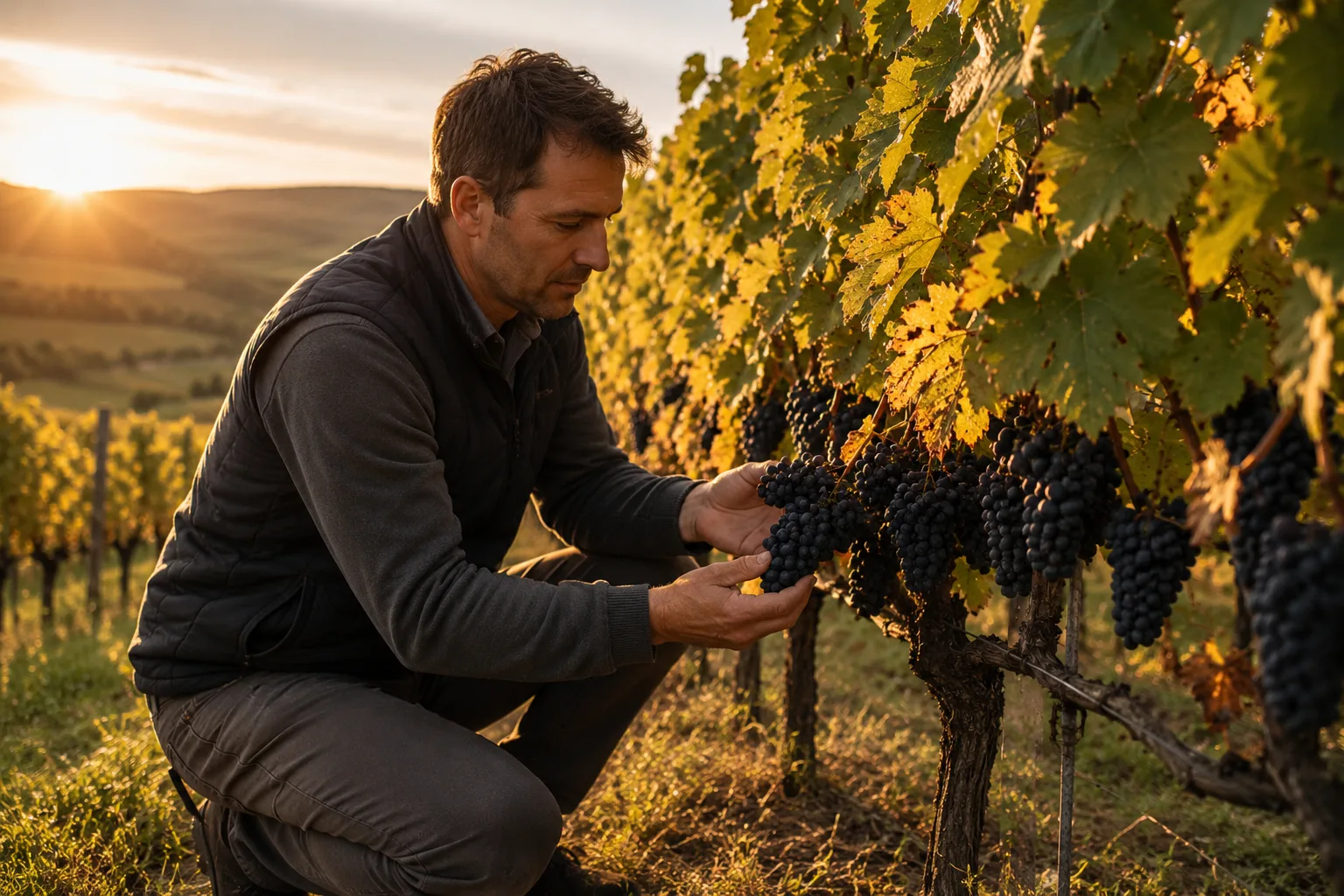
Late-summer weather is decisive for the vintage because it accompanies the grapes during their final weeks of ripening and largely sets the conditions for harvest. Between véraison and picking, sunshine, temperatures, rain, and humidity affect sugars, acidity, tannins, aromas, and the health of the berries. However, this period alone does not sum up an entire winegrowing year: it reveals, accelerates, or disrupts potential that has been developing since budbreak.
Late summer, a decisive period in the vine’s cycle
Véraison marks the visible beginning of ripening. Black grapes change color, while white berries become more translucent and soften. From this point onward, the berry accumulates sugars produced by photosynthesis. At the same time, its concentration of organic acids, particularly malic acid, gradually decreases.
Ripening, however, is not limited to potential alcohol alone. The seeds evolve, the skins gain color and aromatic compounds, and the tannins may lose some of their vegetal or drying character. A distinction is therefore made between technological ripeness, assessed through sugars and acidity, phenolic ripeness, especially important for red wines, and aromatic ripeness.
These dimensions progress at different speeds depending on the grape variety and the place. Pinot Noir, Chardonnay, Syrah, and Grenache do not react in the same way to a hot or rainy spell. Altitude, exposure, soil depth, water availability, and crop load also modulate the vine’s response.
Late summer therefore acts as a finishing phase. A steady season can be enhanced by several dry, bright weeks. Conversely, difficult weather before harvest can slow ripening or weaken sanitary conditions. A vintage must nevertheless be viewed as a whole: frost, flowering, fruit set, hail, and disease pressure have already helped determine both yield and quality potential.
Sunshine and temperatures: the keys to balanced ripeness
Sufficient sunshine sustains photosynthesis in the leaves, which is necessary for sugar accumulation in the berries. When the canopy remains healthy and functional, the vine can continue this supply until harvest. Fermentable sugars will later contribute to the wine’s alcohol level, without being a guarantee of quality on their own.
Moderately warm temperatures encourage ripeness to progress. Excessive heat, however, can accelerate sugar concentration through evaporation without allowing tannins and aromas to evolve at the same pace. The berries may also suffer sunburn, especially when bunches are suddenly exposed to direct sunlight, and the vine may slow its photosynthesis to limit water loss.
Cool nights often play a valuable role. They slow berry respiration and help preserve more acidity, and therefore the future tension and freshness of the wine. The difference between day and night temperatures can also support gradual aromatic ripening, especially in high-altitude vineyards or areas subject to continental influences.
The desired balance varies according to the style of wine. For a lively white, preserving acidity and aromatic precision may lead to relatively early picking. For a red intended for long aging, the winegrower may wait for more complete development of the skins and seeds, provided that acidity and grape health remain satisfactory. The best weather is therefore not necessarily the hottest, but the weather that allows steady ripening without blockage or excessive loss of freshness.

Chambertin Clos-de-Bèze 2021
-
96
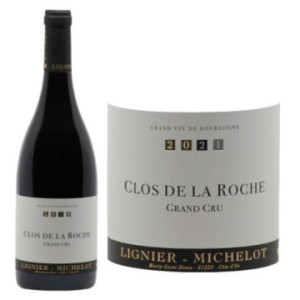
Clos de la Roche 2021

-
95
-
93
-

Charmes-Chambertin 2021
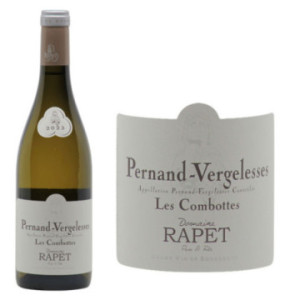
Pernand-Vergelesses Blanc Les Combottes 2023
-
95
-
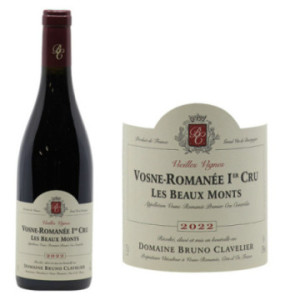
Vosne-Romanée 1er Cru Les Beaux Monts 2022
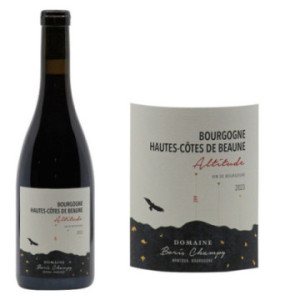
Bourgogne Hautes-Côtes de Beaune "Altitude" 2023
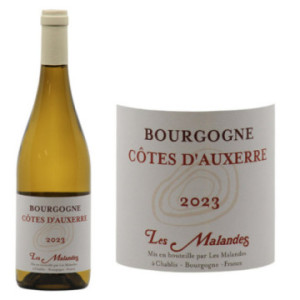
Bourgogne Côtes d'Auxerre Blanc 2023

-
94
Fixin Champs de Vosger 2023
Rain, humidity, and drought: contrasting effects on grapes
Moderate rainfall can be beneficial after a dry period. It rehydrates the soil, supports leaf activity, and helps a vine slowed by lack of water resume ripening. Its effect, however, depends on the soil’s water-holding capacity, root depth, and the grapes’ stage of development.
Excess water as harvest approaches creates greater difficulties. The berries may swell, temporarily reducing the relative concentration of certain components. After a long drought, a sudden influx of water can also cause grapes with fragile skins to split. This then opens the door to deterioration and complicates sorting.
Persistent humidity, especially when accompanied by mild temperatures and poor air circulation, increases the risk of grey rot and other sanitary problems. Canopy density, bunch aeration, and vineyard practices then become decisive. A well-ventilated plot can dry more quickly after a shower than a sheltered or highly vegetative site.
At the opposite extreme, severe drought can cause excessive water stress. The vine closes its stomata to conserve water, photosynthesis slows, and ripening can stall. The berries remain small, sometimes concentrated, but this concentration is not always synonymous with harmony: it may come with very low yields, firm tannins, or a mismatch between sugars and aromatic ripeness.
Finally, dilution must be distinguished from yield. A shower does not automatically turn a great vintage into a mediocre year. Its impact depends on its intensity, duration, timing, and the dry weather available afterward. A few breezy days can allow the berries to regain a satisfactory balance, whereas a succession of rains until harvest leaves the winegrower with less room to maneuver.
How weather determines the harvest date and conditions
The harvest date is the result of a trade-off between ripeness, acidity, grape health, and weather forecasts. The winegrower monitors the evolution of sugars and acids through analyses, but also tastes the berries and observes the texture of the skins, the color and taste of the seeds, and how easily the pulp separates.
A forecast dry spell may allow a few days’ waiting in order to gain phenolic or aromatic ripeness. Conversely, the likely arrival of prolonged rain may prompt earlier picking to preserve healthy grapes. The choice is never abstract: waiting can improve ripeness, but it can also reduce acidity or expose the crop to rot.
Decisions are often made plot by plot. An early-ripening vine, shallow soil, or warm exposure does not present the same ripeness as a late-ripening plot on a cool slope. Grape varieties, vine age, and the desired wine style also lead to staggered harvesting. This is why the same appellation can produce contrasting results within a single vintage.
Finally, practical conditions matter just as much as the date. Harvesting dry, cool grapes limits the risk of deterioration and makes sorting easier. When possible, picking may begin early in the morning to avoid grapes that are too warm. After a wet episode, strict sorting in the vineyard or at the winery makes it possible to remove damaged berries, at the cost of a lower production volume.
For wine lovers buying wine online, the general reputation of a vintage is therefore a guide, not a verdict. It should be complemented by the region, appellation, grape variety, estate, and desired style. A cool year can produce very fine, taut wines in certain areas, while a hot year can be particularly successful on terroirs capable of preserving water and acidity.
Questions fréquentes sur la météo de fin d’été et le millésime
Is late-summer weather enough to define the quality of a vintage?
No. It is decisive for final ripening and harvest, but the grapes’ potential also depends on frost, flowering, fruit set, hail, disease, yield, and water supply throughout the season.
Does a very hot summer necessarily produce a great vintage?
No. Steady warmth can promote ripeness, but excessive temperatures may cause water stress, sunburn, a rapid rise in sugars, and a drop in acidity. The result depends on the grape variety, soil, and the vine’s ability to maintain balanced functioning.
Why is rain before harvest so feared?
Heavy or repeated rains can cause the berries to swell, encourage splitting, and increase rot pressure. Moderate rainfall can nevertheless be useful after drought, especially if followed by dry, breezy days.
Why doesn’t harvest begin everywhere at the same time?
Ripeness varies according to grape varieties, exposure, altitude, soil, vine age, and the desired wine style. Winegrowers therefore often harvest plot by plot, taking into account analyses, berry tasting, and weather forecasts.
How can you use the vintage to choose a wine?
The vintage helps anticipate a wine’s general profile, such as its freshness, ripeness, or aging potential. However, it should be cross-checked with the appellation, producer, grape variety, and the specific conditions of the terroir, because successes can vary greatly within the same year.