



Chablis Grand Cru Bougros 2024

Chablis Grand Cru Blanchot 2024
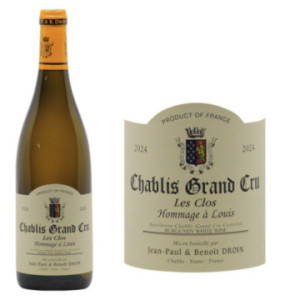
Chablis Grand Cru "Hommage à Louis" 2024
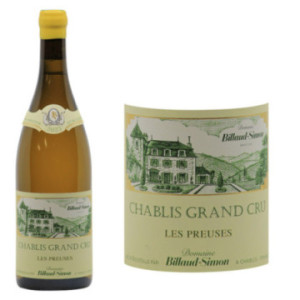
Chablis Grand Cru Les Preuses 2023
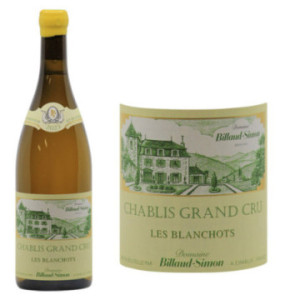
Chablis Grand Cru Blanchot 2023
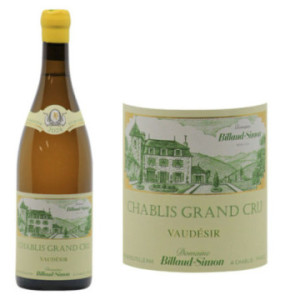
Chablis Grand Cru Vaudésir 2024
The Chablis region is renowned for its 300+ wineries, some of which have been handed down from generation to generation since 14 ancestors. The tradition is also perpetuated through the Chablis wine cooperative, founded in 1923 and now occupying a quarter of the region's vineyards. Dating back to the Cistercian monastic order, the Chablis wine appellation has a profound heritage. Nestled in the Yonne department, the Chablis vineyards occupy the northernmost portion of Burgundy, including 20 villages around the town of Chablis. Since Roman times, vines have been a signature of Chablis, with notable expansion in the 12th century thanks to the influence of Cistercian monks. Their establishment of the Abbey of Pontigny in 1114 is well known, playing a crucial role in the development of Burgundy wine, particularly in Chablis.
A severe phylloxera crisis significantly reduced Chablis' wine-growing area in the 19th century, limiting it to 550 hectares. The only grape variety grown in Chablis for the production of AOC wines is Chardonnay, a famous variety native to Burgundy. It finds its unique and typical expression in the distinctive geology and climate of Chablis. This Kimmeridgian terroir, a geological stratum 150 million years old and rich in marl and Exogyra Virgula fossils, lends a specific minerality to Chablis wines.
The climate of Chablis, described as degraded oceanic, is influenced by oceanic and continental conditions. It is defined by moderate rainfall, cold winters and hot summers, making vines susceptible to spring frost.
Today, the Chablis vineyard extends over some 5500 hectares, dedicated exclusively to Chardonnay and to the production of exceptional wines, available for purchase Chablis wine.
Chablis wine: Discover the Four Burgundy Appellations
In search of achat vin Chablis, discover the four distinctive appellations under the famous Chablis name, each possessing their own singular characteristics.
L'Essentiel du Chablis AOC
Consolidating its brand since 1938, Chablis AOC covers 3630 hectares traversing all the communes of this generous appellation. This dry white wine is made exclusively from Chardonnay grapes. It has a golden, sparkling color and a fresh, mineral nose. On tasting, it exudes a refined dryness, with aromas of white fruit, citrus and hints of lime blossom or acacia, not forgetting its signature trait - distinct nuances of flint.
The Singularity of Petit Chablis
Recognized since 1944, Petit Chablis encompasses 1018 hectares planted in the heart of the Chablis region. Mainly located on the upper slopes or adjacent plateaus, these terroirs produce a pale gold-colored wine. The nose is fine, with notes of white flowers and citrus fruit accompanied by subtle mineral touches. A lively attack on the palate balances out into a harmonious roundness, finishing with a mineral freshness. Petit Chablis embodies youth and vivacity.
L'Excellence du Chablis 1er Cru
Established jointly with Chablis Village in 1938, Chablis 1er Cru encompasses 780 hectares spread across various wine-growing communes, enshrining 40 classified climats. These 'Climats', micro-terroirs with precise geological and climatic properties, are located on the hillsides bordering the river Serein. The wine has a pale gold color with green highlights. Delicate and complex, its nose harmoniously integrates floral, fruity and mineral notes. Tasting reveals a solid structure and elaborate aromatic palette for a wine of remarkable longevity and finesse destined for haute gastronomie.
The Grandeur of Chablis Grand Cru
Official since 1938, Chablis Grand Cru represents the pinnacle of virtuosity on around a hundred hectares of the Chablis commune. Seven climats - Blanchot, Bougros, Les Clos, Grenouilles, Les Preuses, Valmur, Vaudésir - positioned on the right bank of the Serein illustrate this nobility. The wine has a bright gold-green color. On the nose, a complex bouquet of dried fruit and white flowers, imbued with a powerful minerality. On the palate, there's a precise balance between liveliness and fullness; the aromas reveal themselves with pride, and the lingering finish accentuates the mineral base. This wine for laying down celebrates excellence in gastronomy. For your Chablis wine purchase, each of these appellations embodies the spirit of Burgundy in all its richness and diversity, promising outstanding taste experiences for lovers of great wines.


