



Morey-Saint-Denis: Understanding the Appellation Through Our Selection
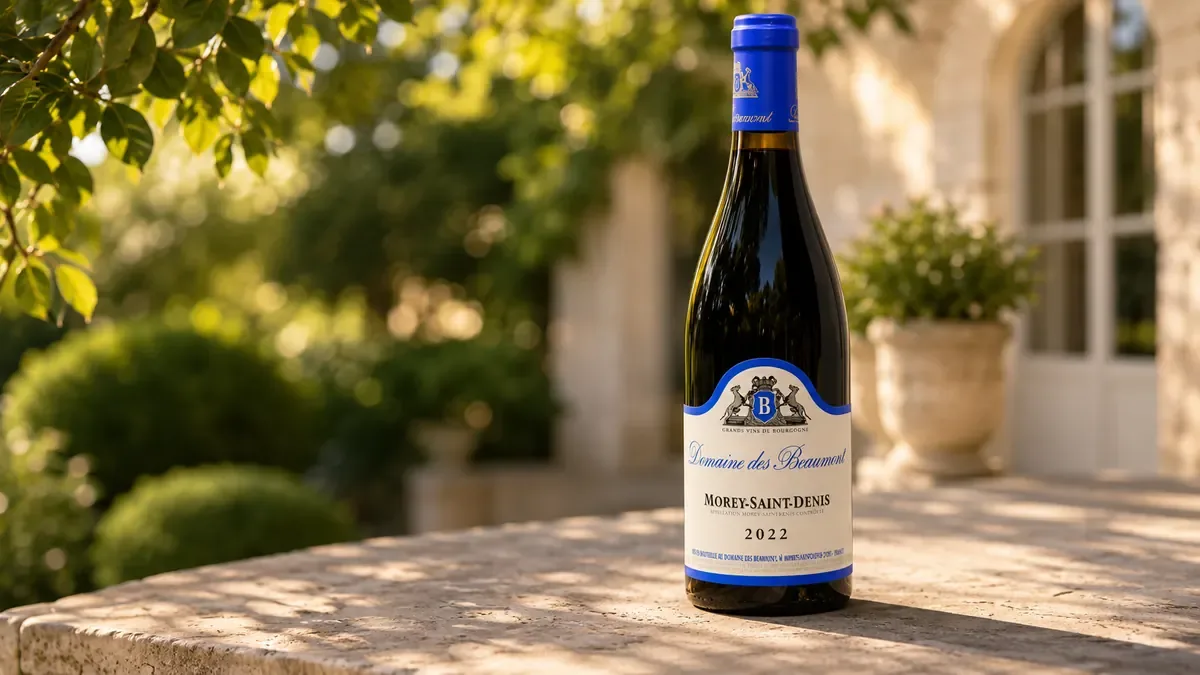
Morey-Saint-Denis stands out for the diversity of its terroirs and the finesse of its Pinot Noir reds. With village-level wines, premier crus and grands crus to choose from, the right bottle depends as much on the style you’re looking for as on your budget and when you plan to open it. This guide gives you the keys to navigating the selection and choosing with confidence.
Morey-Saint-Denis: an appellation at the heart of the Côte de Nuits
In the Côte-d’Or, Morey-Saint-Denis occupies a discreet spot between two celebrated neighbours: Gevrey-Chambertin to the north and Chambolle-Musigny to the south. Its vineyards stretch across the slopes of the Côte de Nuits, where plots run from the upper hillside down to lower-lying ground.
As elsewhere in Burgundy, its winegrowing history has developed over several centuries, shaped in particular by religious communities and landowners who identified and passed down individual plots. The village appellation, recognised in the 20th century, is now part of a mosaic of climats and appellation levels. What makes it distinctive is the close proximity, within a relatively small area, of village-level wines, premier crus and grands crus.
From village to grands crus: understanding the hierarchy
Morey-Saint-Denis village refers to wines that meet the requirements of the village appellation. A lieu-dit name may appear on the label without making the bottle a premier cru. This level is a great introduction to the style of a producer and its particular area.
Morey-Saint-Denis premier crus come from climats classified at this level. The label generally features the appellation name, the words “premier cru” or “1er cru”, and the name of the climat, such as Les Ruchots or Les Chaffots. These wines can offer greater depth and ageing potential, though their expression varies according to the plot and producer.
Finally, five grand cru appellations are found within the commune: Clos de la Roche, Clos Saint-Denis, Clos des Lambrays, Clos de Tart and Bonnes-Mares. The latter also extends into Chambolle-Musigny. A grand cru bears its own appellation on the label: it is not a “Morey-Saint-Denis grand cru”. These wines are sought after for their complexity and ability to evolve, and generally command higher prices.
Our Morey-Saint-Denis selection: which wines to choose

Morey-Saint-Denis 2022
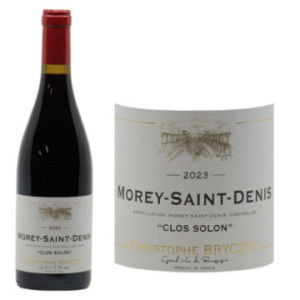
Morey-Saint-Denis Clos Solon 2023
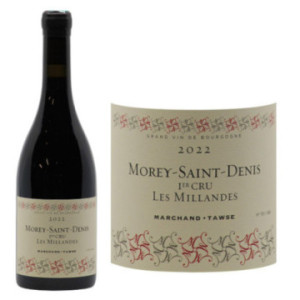

Morey-Saint-Denis 1er Cru Les Millandes 2022

-
94
Morey-Saint-Denis 1er Cru Les Faconnières 2022
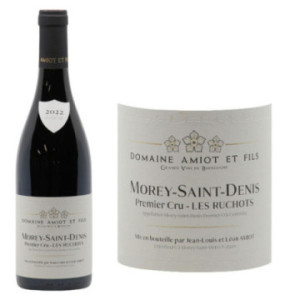
Morey-Saint-Denis 1er Cru Les Ruchots 2022

-
93
Morey-Saint-Denis 1er Cru Les Chenevery 2022

- -10%
Morey-Saint-Denis 1er Cru Rouge Monts... 2021

Morey-Saint-Denis 1er Cru Aux Charmes 2022
To explore our selection, start by thinking about the occasion. A village-level wine is a good choice for a first taste or a meal where you want to enjoy the wine without waiting too long. A premier cru lets you explore a particular climat in more detail and can suit a special dinner or a few years in the cellar. A grand cru from the commune, sold under its own appellation name, is better suited to those seeking depth or choosing a bottle for a special occasion.
Next, compare the available product details: the climat name tells you where the wine comes from, while information about the producer and ageing can help you understand its style. A young vintage may need air or time; an older one may already offer developed aromas, provided it has been stored well. The year alone, however, is no guarantee of a bottle’s maturity or quality.
In terms of budget, village-level wines are generally more accessible than premier crus, which are often less expensive than grands crus. Prices can still vary considerably depending on the producer, climat, vintage and availability. Check the price and stock on each product page: these guidelines are no substitute for comparing the bottles actually on offer.
Food pairings, serving and ageing potential
A fruit-forward village-level red pairs beautifully with roast poultry, pork tenderloin or mushrooms. A more structured premier cru can accompany roast duck or a cut of beef. For an aged grand cru, choose a delicate dish, such as poultry with morels, so as not to overpower its aromas. A white Morey-Saint-Denis, meanwhile, can be served with fish in a light sauce or chicken in a cream sauce.
Serve reds at around 15 to 17 °C, allowing the wine to warm gently in the glass if needed. Brief aeration can help a young, closed red; with a fragile older bottle, taste it first before deciding whether to decant. Whites can be served at around 11 to 13 °C.
Ageing potential depends on the producer, vintage, cuvée and storage conditions. Some village-level wines are enjoyable in their youth, while structured premier crus and grands crus can evolve for many years. Store bottles on their sides, at a stable temperature and away from light and vibrations. If in doubt, ask for advice on the drinking window for the bottle you have chosen.
Frequently asked questions about Morey-Saint-Denis
Which grape variety is mainly grown in Morey-Saint-Denis?
Pinot Noir is the main grape variety for the reds, which make up most of the production. The appellation also produces rare whites, made mainly from Chardonnay.
Which grands crus are found in Morey-Saint-Denis?
The commune is home to Clos de la Roche, Clos Saint-Denis, Clos des Lambrays, Clos de Tart and part of Bonnes-Mares, which is also found in Chambolle-Musigny. Each has its own grand cru appellation.
What is the difference between a Morey-Saint-Denis village and a premier cru?
A premier cru comes from a climat classified at this level and bears the corresponding mention on its label. A village-level wine may also name a lieu-dit, but that site is not necessarily classified as a premier cru.
How long should you keep a Morey-Saint-Denis?
There is no single answer: some village-level wines are enjoyable young, while premier crus and grands crus can be kept for many years. The producer, vintage and cellar conditions all play a key role.