



Chambolle-Musigny: Complete Guide to the Côte de Nuits Appellation
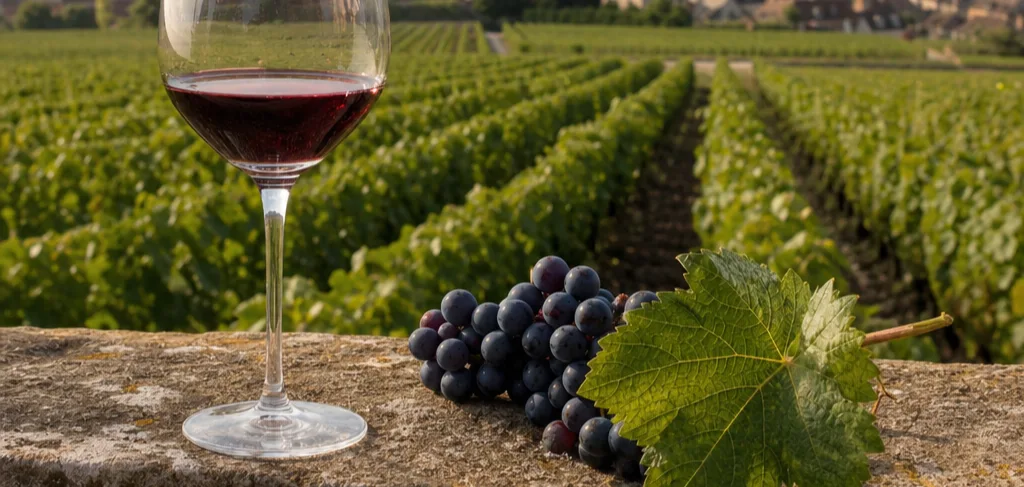
Chambolle-Musigny is one of Burgundy’s most sought-after appellations for lovers of fine, airy and profound Pinot Noir. Located in the heart of the Côte de Nuits, between Morey-Saint-Denis and Vougeot, it embodies an ideal of Burgundian grace: fragrant red wines with an almost tactile texture, where delicacy never excludes length or complexity. When buying Chambolle-Musigny online, the key is to understand the appellation level — village or Premier Cru — as well as the climat, vintage and domaine style.
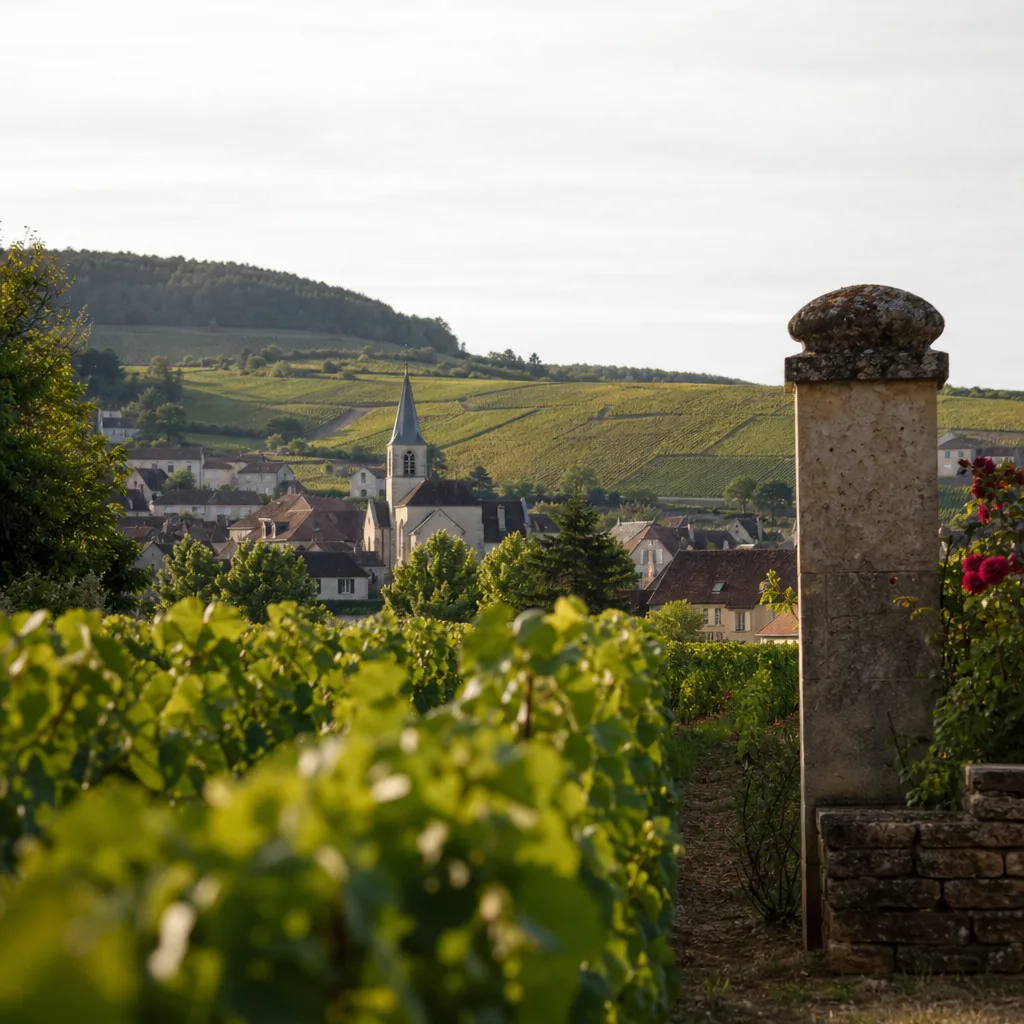
Where is Chambolle-Musigny located?
Chambolle-Musigny is located in the Côte de Nuits, the northern part of the Côte d’Or, within the Burgundy wine region. The village lies between two prestigious neighbors: Morey-Saint-Denis to the north and Vougeot to the south, with Gevrey-Chambertin a little farther up the slope and Vosne-Romanée farther south.
The Chambolle-Musigny appellation is a village AOC recognized in 1936. It covers red wines made from Pinot Noir. The wines may be sold under the village appellation — Chambolle-Musigny — or as Chambolle-Musigny Premier Cru when the parcel belongs to a classified climat.
The village appellation should be distinguished from the two grands crus located within the commune: Musigny and Bonnes-Mares. These have their own Grand Cru appellations and appear on the label under their own names, without Chambolle-Musigny as the main designation.
A terroir of limestone, slope and light
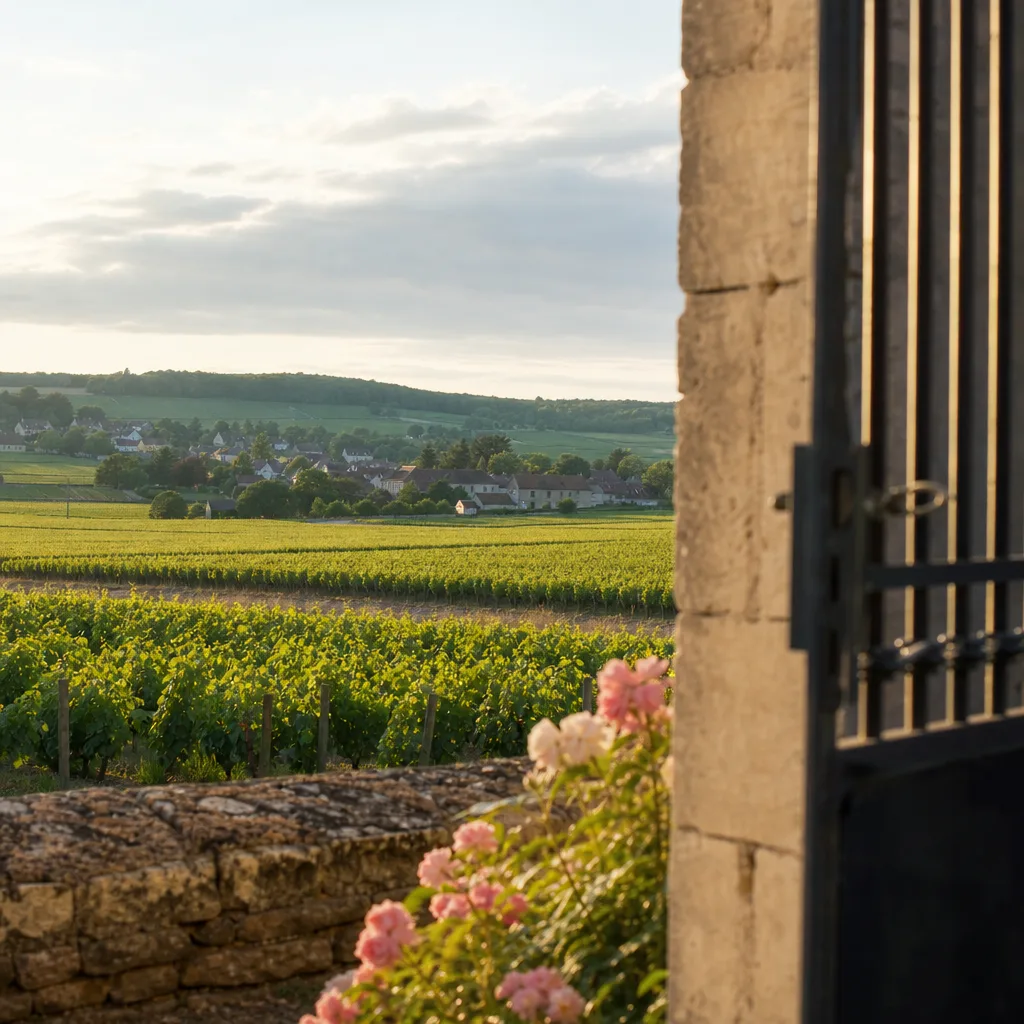
The character of Chambolle-Musigny is born from a subtle dialogue between rock, slope and exposure. The soils are often shallow, stony and limestone-rich, with significant variations depending on the lieux-dits: some sectors produce very floral, slender wines, while others yield more structured, earthier and sometimes spicier expressions.
The combe de Chambolle, a natural opening in the hillside, plays a role in air circulation and local freshness. This influence can help preserve the wines’ tension and aromatic precision, especially in warm vintages.
In the glass, this geology is rarely expressed through raw power. Chambolle-Musigny prefers suggestion: a mineral framework, a lace-like sensation, a fine acidity that stretches the finish. This is one reason why the appellation is often described as the most delicate in the Côte de Nuits.
In Chambolle-Musigny, Pinot Noir seems to speak in a low voice: it does not demand attention, it holds it.
Grands Bourgognes
What is the style of Chambolle-Musigny wines?
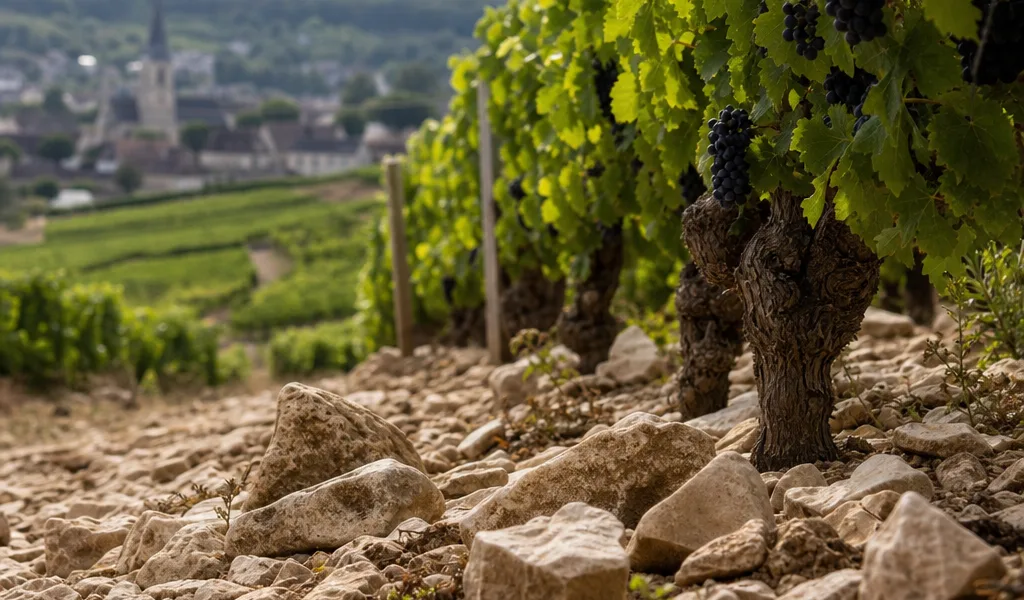
A typical Chambolle-Musigny is recognizable by its delicate fragrance: red cherry, raspberry, redcurrant, peony, violet and sometimes faded rose with age. Vintages and winemaking choices may add notes of sweet spice, licorice, undergrowth, black tea or truffle.
On the palate, the appellation is renowned for its silky texture. The tannins, clearly present in the best wines, feel more caressing than massive. The wine moves with grace, carried by fine acidity, sculpted substance and a finish that is often long, floral and saline.
It would, however, be reductive to see Chambolle-Musigny as merely fragile or light. The great climats, old vines and fine vintages can produce wines of remarkable depth. Chambolle’s strength is simply less demonstrative: it lies in balance, persistence and precision.
Chambolle-Musigny village: accessible elegance
Village-appellation wines often offer the clearest entry point into the world of Chambolle-Musigny. They emphasize fresh fruit, mouthfeel and drinkability. Some village wines from old vines or well-sited parcels can nevertheless show great complexity and deserve several years of cellaring.
Chambolle-Musigny Premier Cru: precision and depth
The Premiers Crus of Chambolle-Musigny generally bring greater depth, length and definition. They often require more patience, especially in structured vintages. Their appeal lies in the diversity of the climats: a wine from Les Cras does not tell quite the same story as one from Les Charmes, Les Fuées or Les Amoureuses.
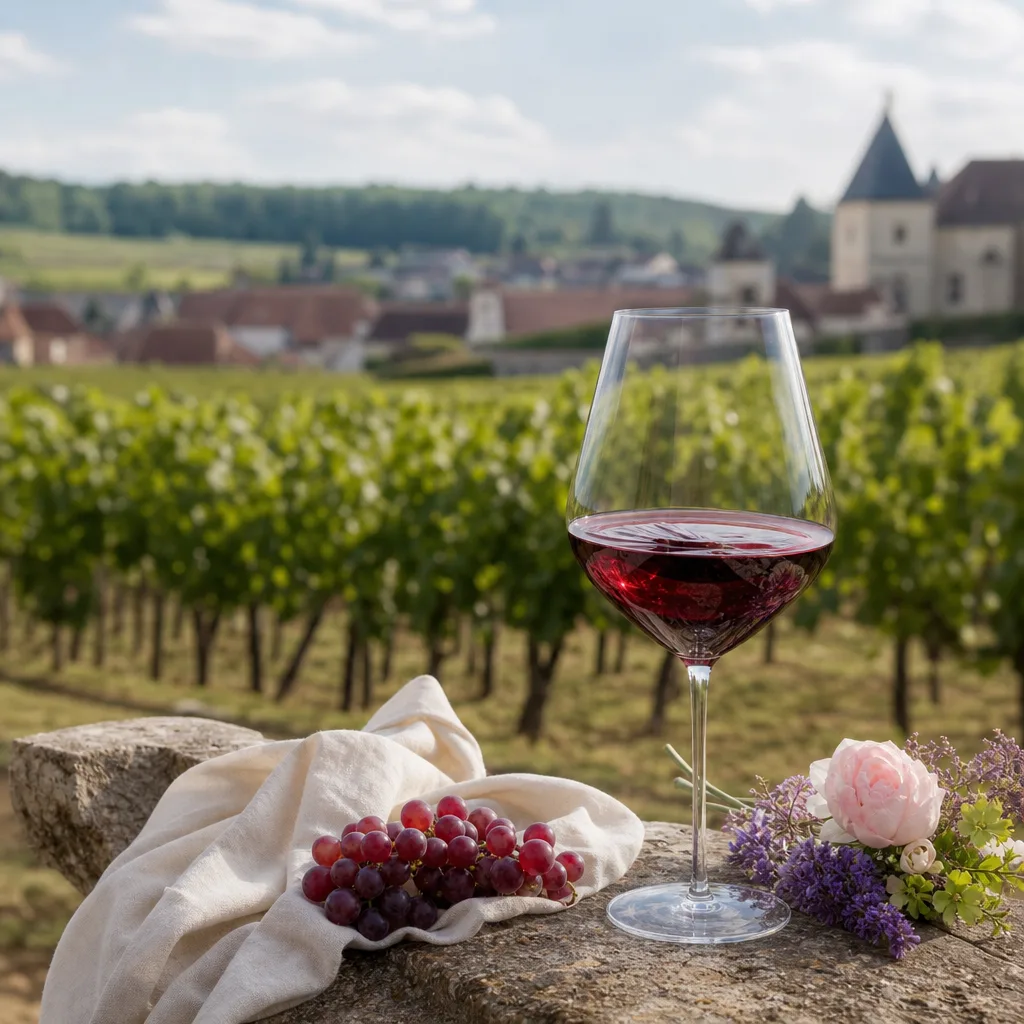
The climats and Premiers Crus to know
Chambolle-Musigny includes many climats classified as Premier Cru. Each has its own identity, shaped by its position on the hillside, soil depth, slope and exposure. For enthusiasts as well as online buyers, the climat name is valuable information: it helps anticipate the wine’s style and cellaring potential.
Among the most sought-after names, Les Amoureuses holds a special place. This Premier Cru, often regarded as one of Burgundy’s greatest, stands out for exceptional elegance, a velvety texture and aromatic depth that, in the minds of many enthusiasts, brings it close to Grand Cru level.
Other climats deserve particular attention: Les Charmes, often suave and harmonious; Les Fuées, a neighbor of Bonnes-Mares, more structured and intense; Les Cras, renowned for its mineral framework; Les Sentiers, elegant and precise; as well as Les Baudes, Les Noirots and Les Gruenchers, which can offer highly distinguished expressions of the appellation.
The grands crus Musigny and Bonnes-Mares symbolically dominate the landscape. Musigny is one of Burgundy’s most legendary grands crus, celebrated for its sovereign refinement. Bonnes-Mares, shared between Chambolle-Musigny and Morey-Saint-Denis, often produces more powerful, dense and structured wines.
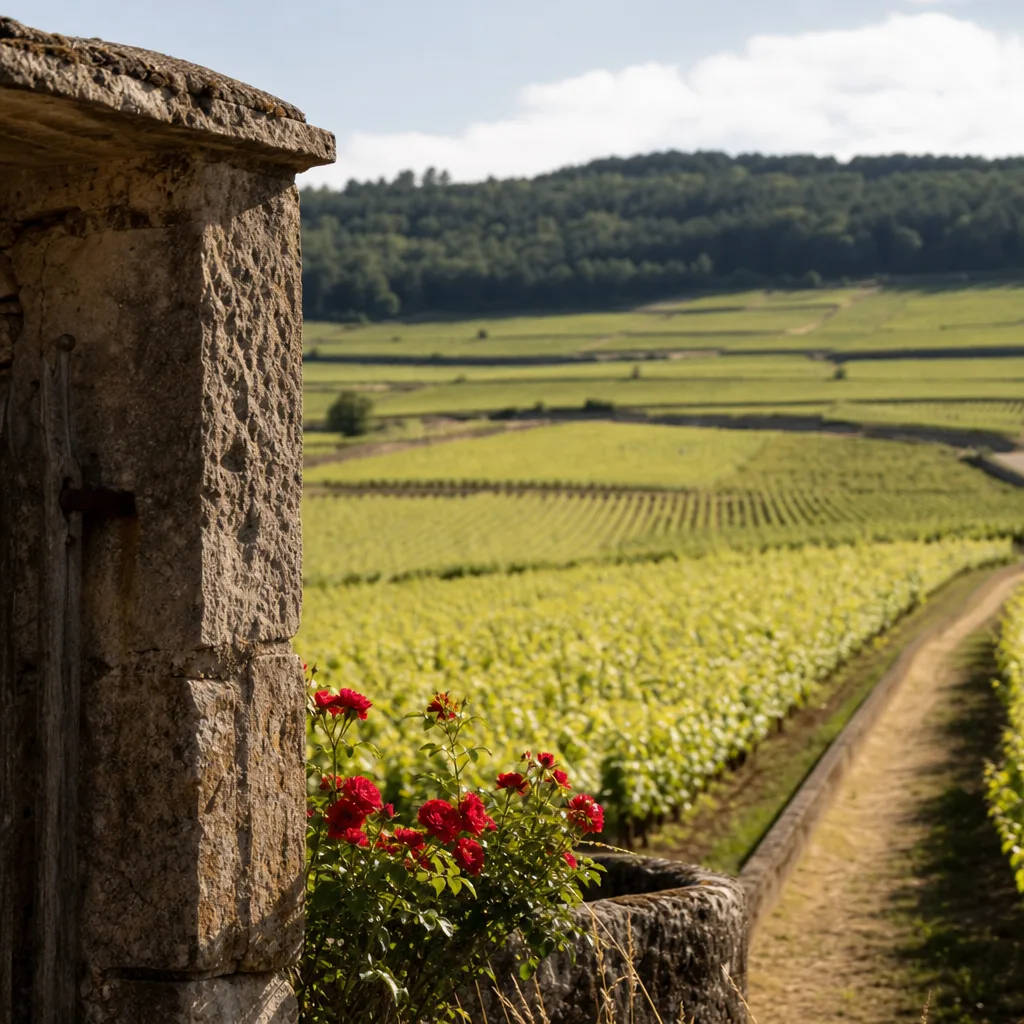
Which vintages should you choose for Chambolle-Musigny?
The choice of vintage depends on the tasting moment you are looking for. Chambolle-Musigny can be delicious in its youth when fruit comes to the fore, but its finest bottles gain complexity with time, developing nuances of dried flowers, spice, undergrowth and truffle.
Sunny vintages such as 2020, 2019 or 2018 often offer generous substance, ripe fruit and lovely density. The best-balanced wines, depending on the domaine, retain the freshness essential to Chambolle’s elegance.
More classic or cooler years, such as 2017, 2016 or 2014, can appeal through their precision, tension and aromatic clarity. Great vintages for cellaring — 2015, 2012, 2010, as well as well-preserved 2005, 2002 or 1999 bottles — are for lovers of Burgundy shaped by time.
When buying online, always check three elements: appellation level, producer and drinking window. A recent Chambolle-Musigny village can be opened earlier than an ambitious Premier Cru, especially if the latter comes from a renowned climat and a concentrated vintage.
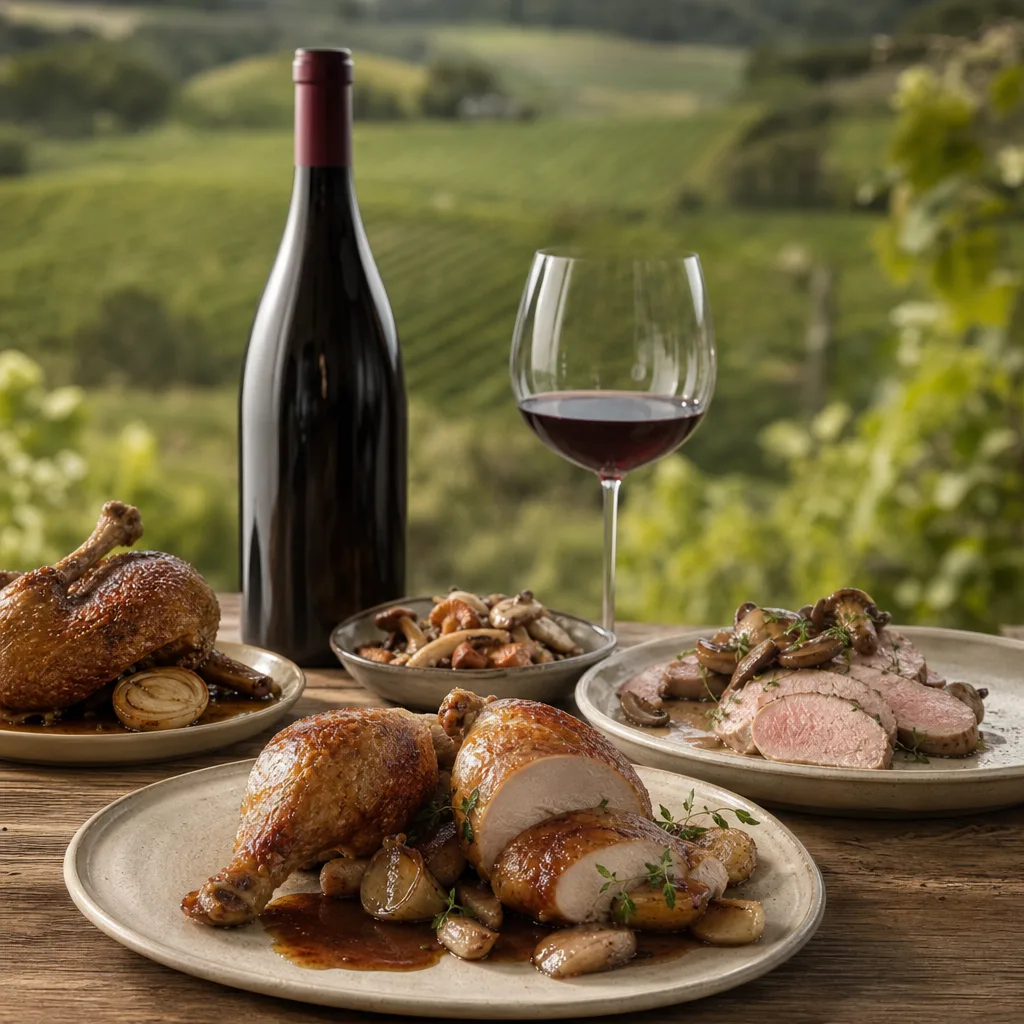
Food pairings with Chambolle-Musigny
The finesse of Chambolle-Musigny calls for dishes that respect its balance. Avoid overly sweet sauces, fiery spices or heavily charred cooking that would overwhelm its aromas. The best pairings play on delicate textures, depth of jus and the nobility of the ingredients.
A Chambolle-Musigny village pairs very well with roast poultry, guinea fowl supreme, veal tenderloin, mushroom risotto or a fine tart of root vegetables. Its freshness and fine tannins also make it an elegant partner for lightly grilled salmon or seared bluefin tuna, provided the seasoning remains restrained.
The deeper Premiers Crus pair with roast duck, pigeon, veal rump, veal chop with morels, a refined version of lièvre à la royale, or truffle-based dishes. With age, the wine gains tertiary notes: it then becomes superb with mushrooms, reduced jus and mature cheeses that are not too powerful.
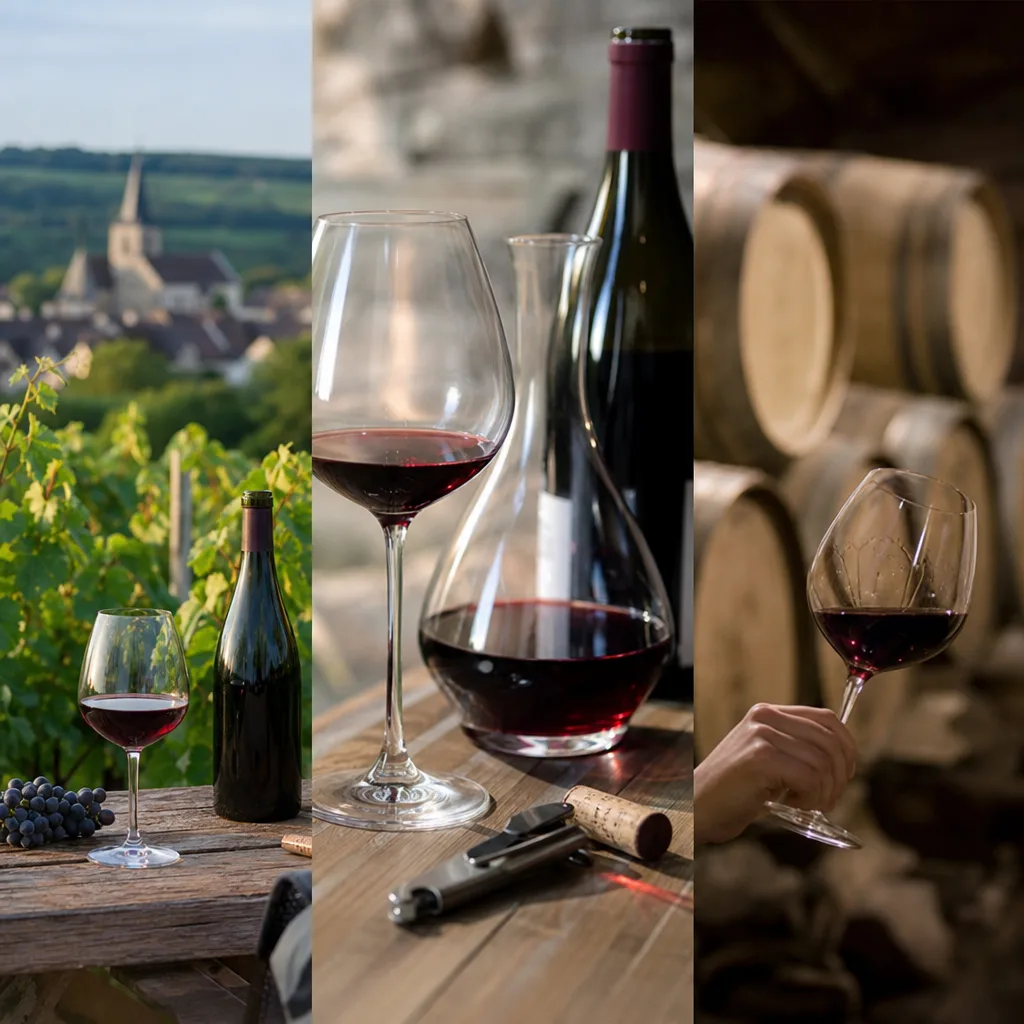
Serving and cellaring tips
Serve Chambolle-Musigny slightly cool, around 15 to 16 °C for a young wine, and closer to 16 to 17 °C for a more evolved bottle. Too high a temperature would emphasize alcohol and blur the aromatic delicacy; too low a temperature would harden the tannins.
Decanting should be approached with care. For a young wine that is still closed, moderate aeration can help release the aromas. For an older bottle, prefer opening it in advance and serving it gently, in order to preserve the fragile scents that have developed over time.
As a general rule, Chambolle-Musigny village can be cellared for 5 to 10 years, depending on the vintage and domaine. A serious Premier Cru can go much further, often 10 to 20 years in great vintages and good cellar conditions. The commune’s grands crus, Musigny and Bonnes-Mares, can reach even longer horizons, but they belong to distinct appellations.
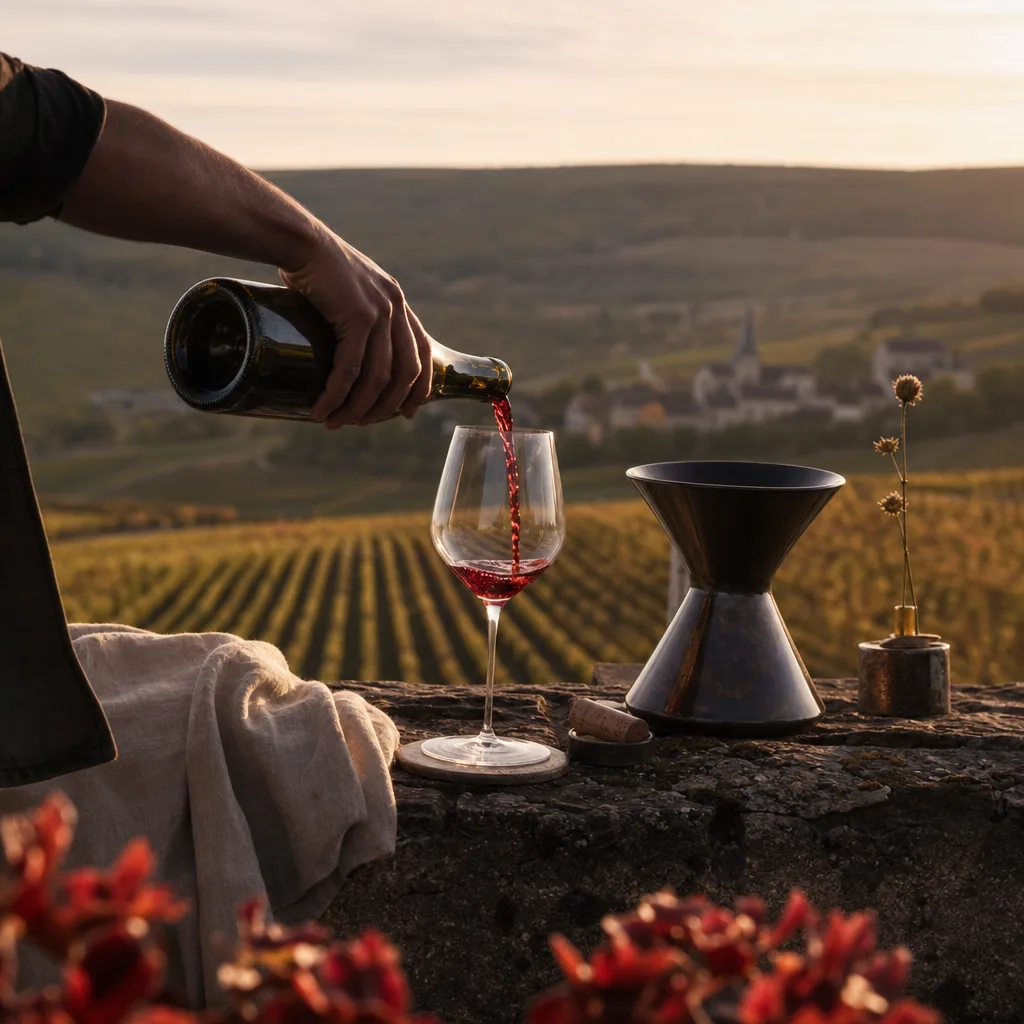
How to buy Chambolle-Musigny online
To choose a Chambolle-Musigny online, start by identifying the appellation level. A village wine will suit an elegant introduction or a tasting in the nearer term. A Premier Cru is better suited to a gastronomic meal, a cellar-worthy purchase or a gift for a serious wine lover.
Next, look at the climat, when mentioned, then the vintage. A renowned climat such as Les Amoureuses, Les Charmes, Les Fuées or Les Cras may justify a higher budget, but the domaine’s style remains decisive. In Chambolle-Musigny, some producers seek infusion and transparency; others favor more pronounced extraction or more noticeable oak ageing.
Finally, adapt your choice to the occasion: a bottle for tonight, a wine to give, a cellar reference or a cuvée to accompany a specific dish. The right Chambolle-Musigny is not simply the most prestigious one: it is the wine whose style, vintage and drinking moment match your intention.
Chambolle-Musigny 1er Cru Les Amoureuses 2023
Musigny 2022
Musigny 2023
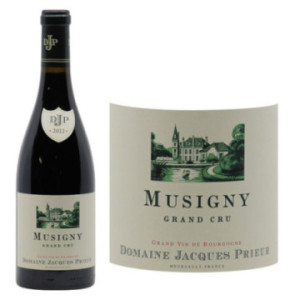
Musigny 2022
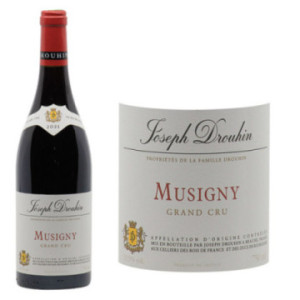
Musigny 2021
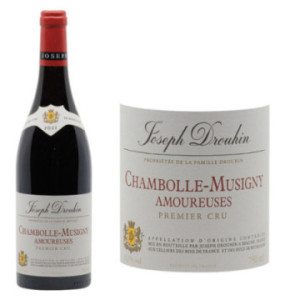
Chambolle-Musigny 1er Cru Les Amoureuses 2021
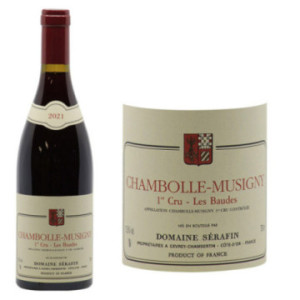
Chambolle-Musigny 1er Cru Les Baudes 2021
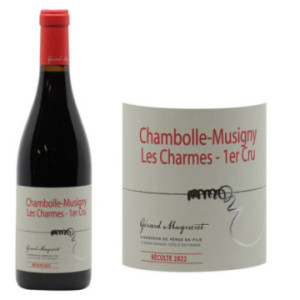
Chambolle-Musigny 1er Cru Les Charmes 2022
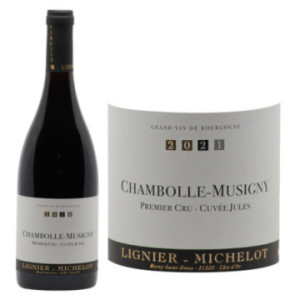
Chambolle-Musigny 1er Cru "Cuvée Jules" 2021
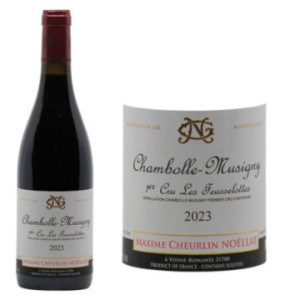
Chambolle-Musigny 1er Cru Les Feusselottes 2023
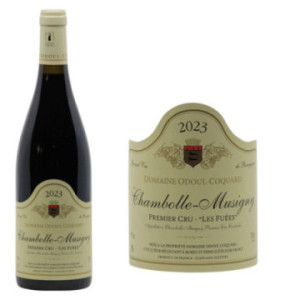
Chambolle-Musigny 1er Cru Les Fuées 2023
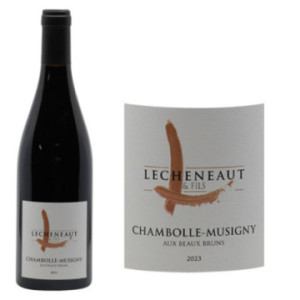
Chambolle-Musigny Aux Beaux Bruns 2023
Chambolle-Musigny in summary
Chambolle-Musigny is an appellation of nuance, texture and fragrance. It does not seek to impress through weight, but through precision: luminous red fruit, flowers, a silken palate and depth that reveals itself slowly. It is a great Burgundy wine for lovers of finesse, but also for those who want to understand what Pinot Noir can express when it meets an exceptional limestone terroir.
FAQ sur Chambolle-Musigny
Is Chambolle-Musigny a red or white wine?
Chambolle-Musigny is a red wine appellation produced from Pinot Noir. The grands crus located within the commune belong to their own appellations, notably Musigny and Bonnes-Mares.
What does Chambolle-Musigny taste like?
Chambolle-Musigny often evokes cherry, raspberry, violet, peony and fine spices. Its signature lies above all in its silky palate, delicate tannins and aromatic elegance.
What is the difference between Chambolle-Musigny village and Premier Cru?
A Chambolle-Musigny village comes from parcels classified under the village appellation. A Chambolle-Musigny Premier Cru comes from a classified climat, generally of higher quality, more complex and with better cellaring potential.
Is Les Amoureuses a Grand Cru?
No. Les Amoureuses is a Premier Cru of Chambolle-Musigny, but it enjoys an exceptional reputation. Many enthusiasts consider it one of Burgundy’s most prestigious Premiers Crus.
How long should you cellar Chambolle-Musigny?
A Chambolle-Musigny village can often be cellared for 5 to 10 years depending on the domaine and vintage. A Premier Cru can evolve favorably for 10 to 20 years in great years and under good storage conditions.
What should you drink with Chambolle-Musigny?
It pairs very well with roast poultry, veal, duck, pigeon, mushrooms, truffle dishes and certain mature cheeses. Favor refined preparations that are not too sweet or too spicy.