



Beaune Premier Cru: which bottles should you discover?
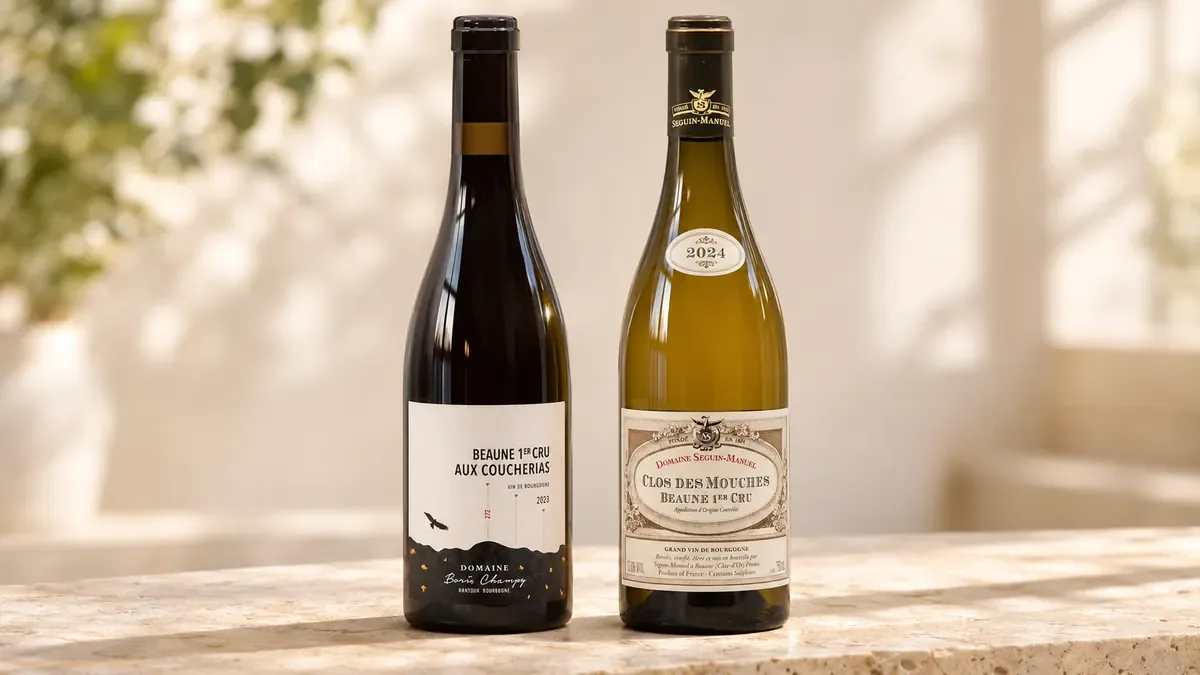
To discover Beaune Premier Cru, explore several climats and producers, in both red and white. From Les Sizies to Clos des Mouches, our eight bottles invite you to distinguish between the vineyard site, the producer’s signature and the vintage.
Understanding Beaune Premier Cru
The Premier Cru designation distinguishes delimited vineyard sites within the Beaune appellation. It indicates an appellation level, not the name of a producer.
Beaune Premier Cru wines are made as red wines from Pinot Noir and white wines from Chardonnay. When stated on the label, the climat name offers an initial clue to the wine’s origin.
Climats to explore
In Burgundy, a climat is a precisely delimited vineyard plot or group of plots, identified by name. In Beaune, Les Sizies, Les Bressandes, Clos du Roi and Clos des Mouches each reflect a particular position on the slope.
Exposure, slope and soils all contribute to the diversity of these wines, but they do not determine the result on their own: the producer’s work and the conditions of the vintage matter too. Rather than ranking the climats, it is better to taste them according to your preferences and the occasion.
Our selection of eight bottles
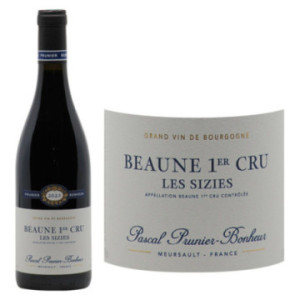
Beaune 1er Cru Les Sizies 2023


Beaune 1er Cru Tuvilains 2023

Beaune 1er Cru Clos du Roi 2023
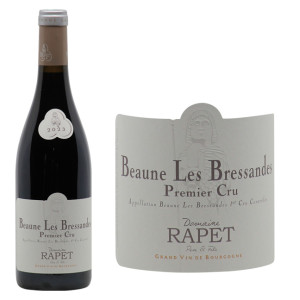
Beaune 1er Cru Les Bressandes 2023
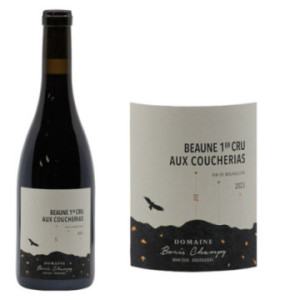
Beaune 1er Cru Coucherias 2023
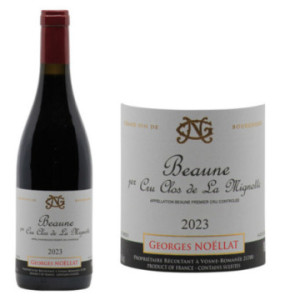
Beaune 1er Cru Clos de La Mignotte 2023
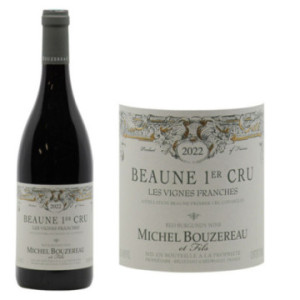
Beaune 1er Cru Blanc Les Vignes Franches 2022
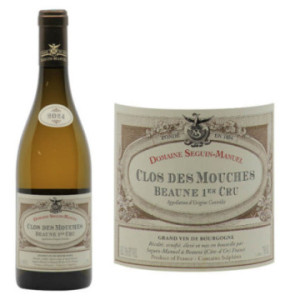
Beaune 1er Cru Blanc Clos des Mouches 2024
Six 2023 reds get the tasting underway: Les Sizies from Prunier-Bonheur, Tuvilains and Clos du Roi from Marchand-Tawse, Les Bressandes from Rapet, Coucherias from Boris Champy and Clos de la Mignotte from Georges Noëllat.
The two Marchand-Tawse wines make it possible to compare different climats from the same producer and vintage. The other bottles broaden the tasting to include several estates.
For white wines, look to Les Vignes Franches 2022 from Michel Bouzereau and Clos des Mouches 2024 from Seguin-Manuel: here, the site, producer and vintage all differ.
Choosing, serving and comparing
Start by choosing a colour to suit your meal: red with roast poultry or mushrooms, white with fish or a creamy sauce. Serve reds at around 15–17 °C and whites at around 11–13 °C.
For a comparison, choose wines from the same producer and vintage. Our guide to why wines from the same appellation differ explains the variables to bear in mind.
Frequently asked questions about Beaune Premier Cru
Is Beaune Premier Cru available in both red and white?
Yes. The red wines are made from Pinot Noir and the white wines from Chardonnay.
What does a climat name on the label mean?
It identifies a precisely delimited vineyard site. Les Sizies and Clos du Roi, for example, are two climats in Beaune.
What is the difference between Premier Cru and Grand Cru?
A Grand Cru has its own appellation. A Premier Cru comes from plots classified within a village appellation; it may bear the name of a climat, but a cuvée can also blend several climats.
What temperature should Beaune Premier Cru be served at?
Aim for around 15 to 17 °C for a red and 11 to 13 °C for a white, adjusting as needed for the bottle.
Why compare two bottles from the same vintage?
This limits the influence of differences between years. To better assess the effect of the climat, also choose wines of the same colour and, if possible, from the same producer.