



From Beaune to Pommard: Build a Côte de Beaune Tasting at Home
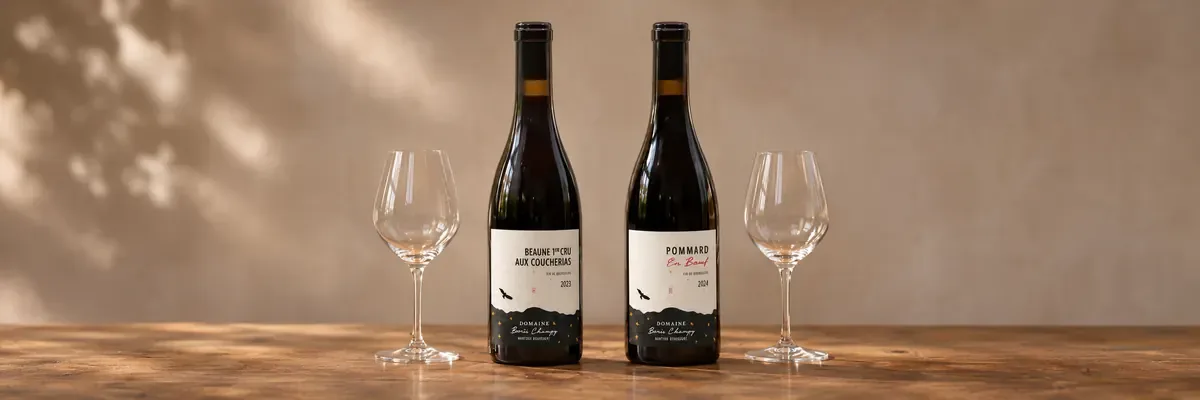
To put together a Côte de Beaune tasting at home, choose three or four bottles from a selection of two whites and six reds, and serve the whites before the reds. From Monthélie to Pommard via Beaune, this tasting route invites you to compare neighbouring terroirs without imposing a hierarchy of power.
Understanding the Beaune–Pommard route
In the Côte de Beaune, Beaune and Pommard are neighbours, but their individual vineyard sites, aspects and soils produce a range of expressions. Beaune makes both white and red wines; Pommard is an appellation for red wine.
Monthélie and Auxey-Duresses, also in the Côte de Beaune, broaden the tasting journey. Pinot Noir leads the reds, while Chardonnay leads the whites in this selection. A Pommard is not necessarily more powerful than a Beaune: the vineyard site, vintage and winemaking choices also matter.
Our Côte de Beaune selection
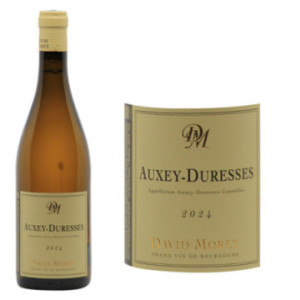
Auxey-Duresses Blanc 2024
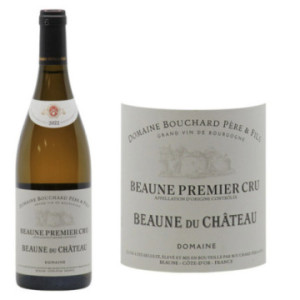

Beaune 1er Cru Blanc "Du Château" 2022
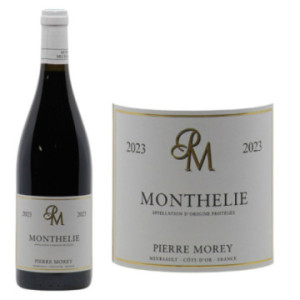
Monthélie Rouge 2023

Beaune 1er Cru Les Sizies 2023
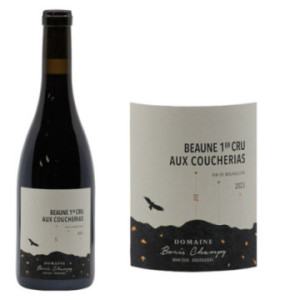
Beaune 1er Cru Coucherias 2023
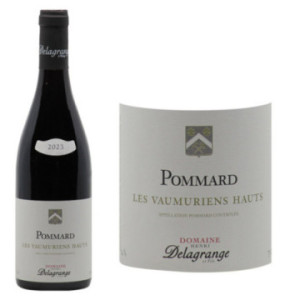
Pommard Les Vaumuriens 2023
To begin the tasting, bring together the 2024 Auxey-Duresses white from David Moret and the 2022 Beaune Premier Cru Blanc du Château from Bouchard. They let you compare two appellations and two vintages through Chardonnay.
Start the reds with 2023 Monthélie from Pierre Morey, then compare the Beaune Premiers Crus Les Sizies 2023 from Prunier-Bonheur and Coucherias 2023 from Boris Champy. Our Beaune Premier Cru selection lets you broaden the comparison to include other vineyard sites.
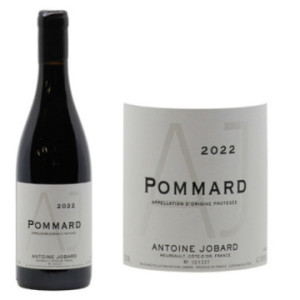
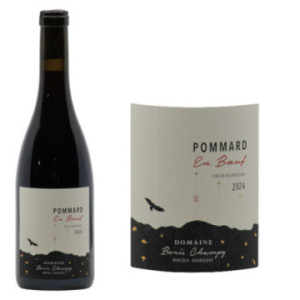
Three Pommards complete the tasting route: Les Vaumuriens 2023 from Didier Delagrange, Pommard 2022 from Antoine Jobard and En Bœuf 2024 from Boris Champy. Choose the bottles that best suit your comparison; there’s no need to open them all.
What order should you taste the wines in?
A suggested order: Auxey-Duresses white, Beaune white, Monthélie red, Beaune reds, then Pommard. Adjust it after tasting each wine: this route is a guide, not an automatic ranking of appellations by power.
This order is a suggestion, not a ranking. After your first sip, switch two reds around if their texture or intensity calls for it. Bear in mind that the vintages differ, and revisit a wine you have already tasted to see how it develops in the glass.
How to host a tasting at home
For your first tasting, try one white, one Monthélie, one Beaune and one Pommard. Small pours make it easy to compare the wines at your leisure without serving too much; keep water and bread close by, along with a spittoon if you like.
Serve the whites at around 11–13°C and the reds at around 15–17°C. Simply note the aromas, freshness and mouthfeel: from Beaune to Pommard, the pleasure lies less in picking a winner than in understanding the differences.
Frequently asked questions about Côte de Beaune tastings
In what order should I serve the wines?
Start with the whites, then taste the reds from Monthélie, Beaune and Pommard. Adjust the order afterwards to suit the wines’ texture and intensity.
How many glasses should I have per person?
One wine glass per person is enough to follow the tasting. Two glasses make it possible to compare two wines side by side.
What temperature should I serve the wines at?
Aim for around 11–13°C for the whites and 15–17°C for the reds, then adjust to your preference.
Do I need to open all eight bottles?
No. Three or four bottles are enough for an informative tasting, with small pours.
Can I compare different vintages?
Yes. Just bear in mind that any differences you notice may come from the vintage as much as from the terroir or winemaking.