



Summer Wine Cocktails and Liqueurs: Cassis, Peach, Raspberry
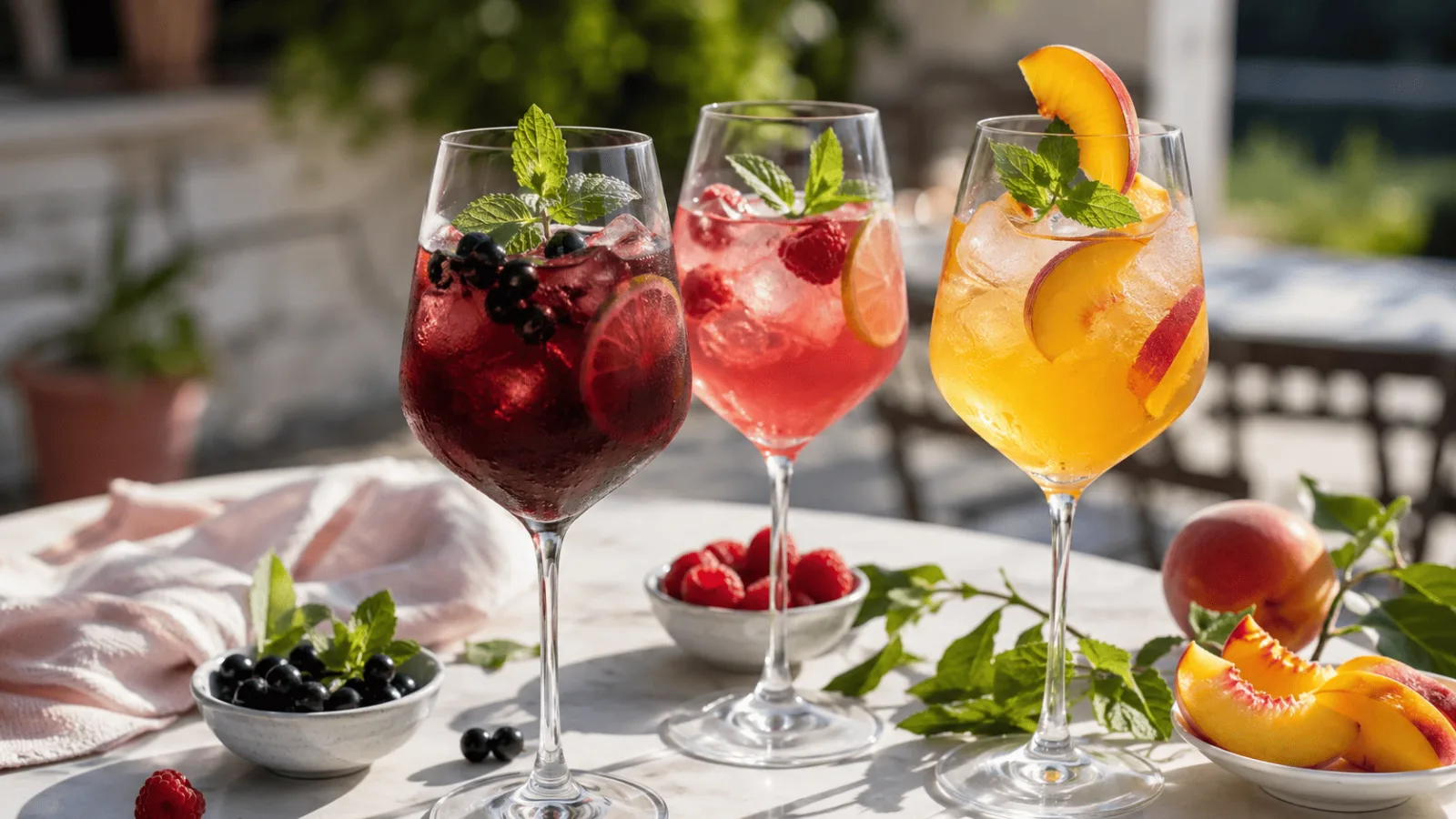
Wine cocktails are a simple way to create a light, aromatic and convivial summer aperitif: a well-chosen wine, a touch of crème de cassis, peach or raspberry liqueur, a few fresh fruits, and the balance comes down to the measure. The idea is not to mask the wine, but to extend its freshness with a fruity note, favoring lively, low-tannin cuvées served well chilled.
- -€6.00
-

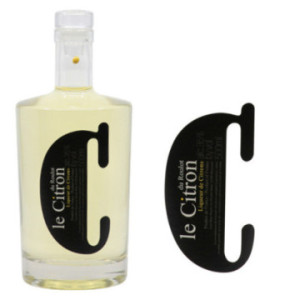
Liqueur de Citron "Le Citron du Roulot" Non millésimé
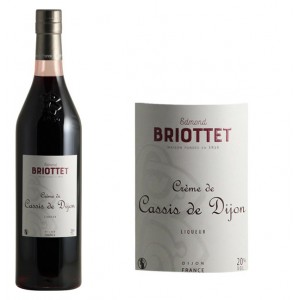
Crème de Cassis de Dijon Non millésimé
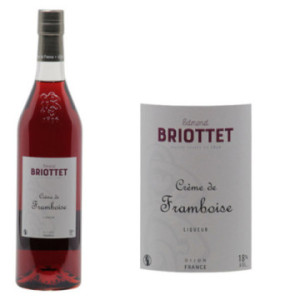
Crème de Framboise Non millésimé
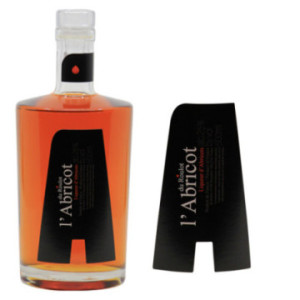
Liqueur d'Abricot "L'Abricot du Roulot" Non millésimé
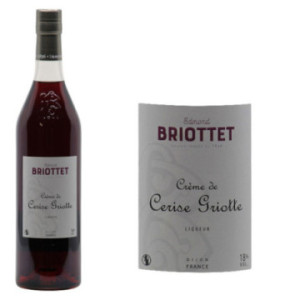
Choosing the right wine for light, fruity summer cocktails
To make summer wine cocktails, the best choice is often a wine that is fresh, precise, lightly oaked and moderate in alcohol. The liqueur already brings sugar and aromatic intensity: the wine therefore needs to act as the backbone, with acidity, liveliness and a clean finish.
Dry white wines are the most versatile. A Bourgogne aligoté, for example, offers the lemony tension that is perfect for a classic kir; an unoaked chardonnay can work if you are looking for a little more roundness. From other regions, a lively sauvignon, a muscadet or a well-defined southern French white can also work, provided overly heavy profiles are avoided.
Sparkling wines bring length and sparkle: crémant de Bourgogne, crémant d’Alsace, crémant de Loire or brut champagne create more festive cocktails. Bubbles heighten the impression of freshness, but they also emphasize sweetness, so the liqueur should be measured with restraint.
Dry rosés, especially those marked by citrus, small red fruits or Mediterranean herbs, work very well with peach and raspberry liqueurs. As for light reds, they can serve as a base provided they are supple and low in tannin: a gamay from Beaujolais, a fruity pinot noir or a Loire red served at around 12-14 °C brings a more vinous dimension, enjoyable with fresh red fruits.
Must-try cocktails with crème de cassis
Crème de cassis is the great historic ally of wine cocktails, particularly in Bourgogne. It has a dense texture, expressive black fruit and marked sweetness, which is why just a few centiliters are enough. The wine should remain perceptible, with its freshness and length.
The classic kir is traditionally made with crème de cassis and a dry white wine, often a Bourgogne aligoté. For a balanced glass, pour around 1 cl of crème de cassis for 10 to 12 cl of very chilled white wine. Those who prefer a more indulgent style can go up to 2 cl, but beyond that the cocktail quickly becomes syrupy.
The kir royal replaces still white wine with a brut sparkling wine: crémant de Bourgogne, champagne or another French crémant. First pour the crème de cassis into the flute, then gently top up with the sparkling wine to preserve the bubbles. A raspberry, a blackcurrant berry or a lemon zest can add a simple, elegant finish.
For a more summery version, add a few fresh fruits: blackcurrants, blueberries, sliced strawberries or thin strips of white peach. With a dry rosé, crème de cassis makes a more colorful cocktail, balancing black fruit with terrace-style freshness. The key is to keep the wine well chilled and not turn the drink into dessert before its time.
Wine cocktail ideas with peach liqueur
Peach liqueur makes wine cocktails softer and sunnier, often very popular for a terrace aperitif or summer brunch. It pairs especially well with supple whites, dry rosés and brut sparkling wines, which prevent the mix from becoming too sweet.
For a very simple cocktail, pour 1 to 1.5 cl of peach liqueur into a wine glass, add 10 to 12 cl of well-chilled dry white wine, then a few large ice cubes. A slice of yellow or white peach, added just before serving, enhances the aroma without weighing down the glass.
With a brut crémant, peach takes on a lighter, more airy character. The recipe works very well in a coupe: a dash of peach liqueur, a sparkling wine served at 6-8 °C, then perhaps a verbena or mint leaf to underline the freshness. The result evokes the spirit of a Bellini, but with a freer construction around French wine.
For brunch, combine peach liqueur, dry rosé and a small amount of sparkling water. The rosé brings color and red fruit, the peach adds a velvety feel, and the sparkling water lightens the whole. This type of cocktail is best served in a large glass, very fresh but with only a little liqueur.
Wine cocktails with raspberry liqueur: fresh, colorful recipes
Raspberry liqueur offers an indulgent, tangy and highly visual register. It pairs naturally with sparkling wines, dry rosés and certain aromatic whites. Since its aroma is instantly recognizable, it should be handled with precision: the aim is to brighten the wine, not cover it up.
The most festive version is to pour 1 cl of raspberry liqueur into a flute, then top up with a well-chilled brut crémant. A few whole raspberries placed at the bottom of the glass add a decorative touch and a sensation of fresh fruit at the end of the tasting.
With a dry rosé, raspberry creates a deeper pink cocktail, ideal for an aperitif in the sun. You can add a wedge of lime or an orange zest to give it more lift. A rosé that is too sweet would be redundant; it is better to choose a dry, slender wine with good acidity.
Certain aromatic whites, such as a fresh viognier from the northern Rhône or a dry white with floral notes, can also welcome raspberry, provided the proportions remain restrained. The combination then becomes more perfumed, almost floral, perfect with fresh red fruits or a peach and raspberry salad.
Getting the balance right between wine, liqueur and ice
The secret to a good wine cocktail lies in one simple rule: the liqueur should remain an accent. For a standard glass, generally allow 1 to 2 cl of liqueur for 10 to 12 cl of wine. With a very concentrated crème de cassis or an intense raspberry liqueur, start closer to 1 cl; with a softer peach liqueur, 1.5 cl may be suitable.
Temperature plays an essential role. Serve whites and rosés between 7 and 10 °C, sparkling wines around 6 to 8 °C, and light reds slightly chilled, around 12 to 14 °C. A wine that is too warm makes alcohol and sugar more noticeable; a wine that is too cold loses aromatic expression.
Ice cubes should chill without excessive dilution. Choose large ice cubes, which melt more slowly, or chill the glass beforehand. For sparkling cocktails, avoid shaking or stirring vigorously: pour slowly, tilt the glass slightly and let the bubbles do the work.
Finally, add fresh fruit at the last moment. Raspberries, blackcurrants, peach wedges, citrus zests or mint leaves bring aroma, but can tire the wine if they macerate for too long. A successful summer cocktail should remain clear in its intention: fresh, fruity, clean and easy to drink.
FAQ sur les cocktails au vin et liqueurs d’été
Which wine should you use to make a kir?
The classic choice is a dry, lively white wine, often a Bourgogne aligoté. Its acidity balances the richness of crème de cassis. Another fresh, lightly oaked dry white can also work.
How much liqueur should you add to a wine cocktail?
As a general rule, allow 1 to 2 cl of liqueur for 10 to 12 cl of wine. For a more refined, less sweet cocktail, start with 1 cl, then adjust according to the intensity of the liqueur and the style of the wine.
Can these wine cocktails be prepared in advance?
It is best to avoid preparing them fully in advance, especially with sparkling wines. You can chill the glasses, wash the fruit and measure out the liqueurs, then add the wine at the last moment.
Which sparkling wine should you choose for a kir royal or a raspberry cocktail?
A brut crémant, crémant de Bourgogne or brut champagne are good choices. Avoid sparkling wines that are too sweet, as the liqueur already brings sugar.
Can you make cocktails with red wine?
Yes, provided you choose a light, fruity, low-tannin red served slightly chilled. A gamay, a supple pinot noir or a Loire red can work with red fruits, but powerful reds are less suitable.