



Provence Rosé: how to choose for aperitifs or meals?

To choose a Provence rosé well, start with the moment of tasting: a light, crisp rosé for aperitifs, a lively rosé for starters, a more gastronomic rosé for grilled fish, Mediterranean vegetables or white meats. Provence rosés, often made from grape varieties such as grenache, cinsault, syrah, mourvèdre or tibouren depending on the appellations and cuvées, stand out for their pale colour, freshness and aromatic spectrum ranging from citrus to delicate red fruit, sometimes with a more vinous backbone. The right pairing therefore means adjusting the wine’s lightness, acidity and structure to the intensity of the dish.
Understanding Provence rosé styles before choosing
Speaking of Provence rosé in the singular would be reductive. The region produces wines that often share a quest for freshness, finesse and drinkability, but styles vary according to appellation, grape varieties, altitude, proximity to the sea, soil type, pressing method and ageing. A rosé made mainly from cinsault and grenache may offer an airy, floral and fruity profile; a cuvée with a higher proportion of mourvèdre, syrah or tibouren may show more depth, gentle spice and staying power at the table.
To keep things simple, you can distinguish three broad profiles. The first is the light, thirst-quenching rosé: pale colour, aromas of white peach, citrus and small red berries, with a dry, lively palate. It is very well suited to aperitifs and simple bites. The second is the fresh, aromatic rosé, slightly more expressive and able to accompany salads, cold fish, tartares or summer cuisine. The third is the gastronomic rosé: more volume, a longer finish and sometimes a subtly saline or spicy texture, ideal for grilled fish, preserved vegetables, white meats and more aromatic Mediterranean dishes.
Colour alone is not enough to judge the quality or intensity of a rosé. A very pale hue does not preclude structure, and a deeper shade does not necessarily mean a heavy wine. The label, appellation, cuvée description and serving advice are more useful: mentions of a gastronomic cuvée, partial ageing, old vines, dominant grape varieties or pairing suggestions provide valuable clues.
-
93
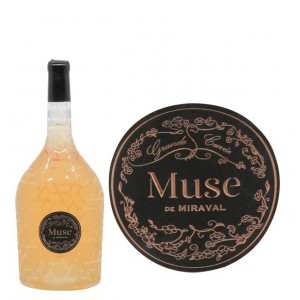
Côtes de Provence Rosé "Muse de Miraval" 2021
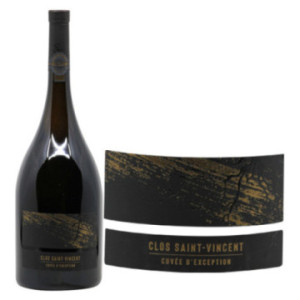
Côtes de Provence Cru Classé Rosé "Clos... 2025
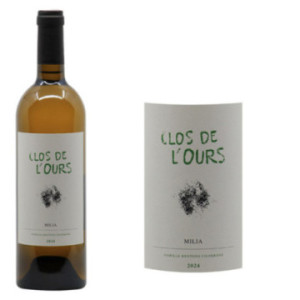
Côtes de Provence Blanc "Milia" 2024
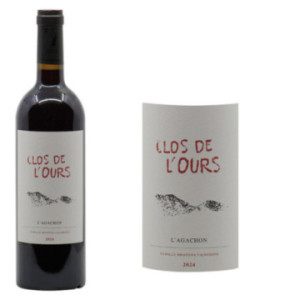
Côtes de Provence Rouge "L'Agachon" 2024
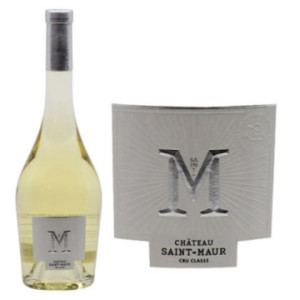
Côtes de Provence Cru Classé Blanc "Saint M" 2024
-
90
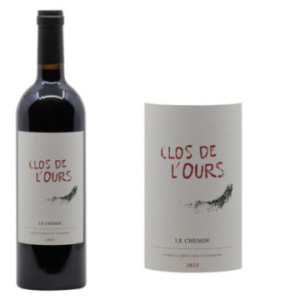
Côtes de Provence Rouge "Le Chemin" 2023
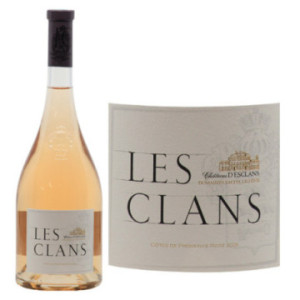
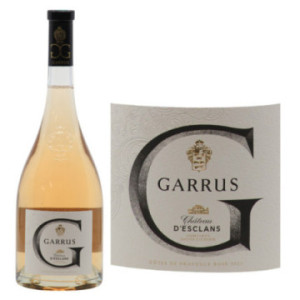
Which Provence rosé should you serve as an aperitif?
As an aperitif, the best Provence rosé is generally dry, fresh, clean and not overly marked by alcohol. Look for a wine that stimulates the appetite without overwhelming the palate: a lively mouthfeel, aromas of citrus, fresh strawberry, redcurrant, peach or white flowers, and a clean finish. Serve it between 8 and 10°C, but do not over-chill it: if too cold, it will lose its aromatic nuances.
With green olives, crunchy vegetables, radishes, cucumber, cherry tomatoes or yoghurt dips, choose a light, taut rosé with discreet fruit. Its freshness responds to the salt, slight bitterness and crunch of the vegetables. With black or green tapenade, which is more intense and marked by olive, capers or anchovy, a slightly more aromatic rosé is preferable: it should retain liveliness while offering more depth on the palate.
For fine charcuterie — cured ham, coppa, thinly sliced saucisson, bresaola — avoid overly delicate rosés. Fat and salt call for a dry, precise wine with a fairly tonic finish. A fruity, but not sweet, Provence rosé works particularly well: the fruit softens the salty sensation while the acidity cleanses the palate. With summer bites, tomato puff pastries, mini pissaladières or melon and ham skewers, favour a supple, expressive and immediately appealing rosé.
Choosing a Provence rosé to pair with starters
With starters, Provence rosé needs to strike a balance between freshness, aromatic precision and delicacy. Mixed salads, cold fish, tartares, carpaccios, gazpachos and marinated vegetables call for wines that extend the lightness of the dish without overwhelming it. Here, acidity and fruit purity are essential.
With a salade niçoise, a heritage tomato salad, burrata with herbs or marinated vegetables, choose a lively rosé with notes of citrus, white fruit and sometimes fennel or dried herbs. Olive oil calls for freshness; tomatoes need a wine that respects their natural acidity; herbes de Provence respond well to slightly aromatic rosés.
With cold fish, sea bream tartare, ceviche, marinated salmon or scallop carpaccio, turn to a taut, saline rosé with a lemony profile. It should not seem too alcoholic or too ripe, as iodine, lemon and raw textures demand precision. For gazpacho, a cold cucumber soup or a pepper-based starter, a dry, fruity and slightly rounder rosé will accompany the vegetal texture without making the pairing feel harsh.
Pairing Provence rosé with fish, seafood and grilled dishes
Seafood reveals one of the great qualities of Provence rosés: their ability to combine freshness, delicate fruit and a saline sensation. For simple seafood — prawns, whelks, langoustines, shellfish — a very fresh, dry and straight rosé works well, provided it is not too aromatic. It should accompany the iodine, not mask it.
With grilled fish, such as sea bream, sea bass, sardines or red mullet, you can choose a more gastronomic rosé. Barbecue cooking brings smoky notes, crisp skin and sometimes marinades with lemon, garlic, thyme or rosemary. The wine should then have a little more substance, a persistent finish and fine tension. A rosé that is too light could disappear in the face of grilled flavours.
For prawn skewers, grilled squid, plancha-cooked octopus or marinated fish, adapt your choice to the seasoning. If the recipe is lemony and herbaceous, look for a lively, almost incisive rosé. If it includes olive oil, sweet paprika, garlic, moderate chilli or sauce vierge, prefer a fuller rosé with texture on the mid-palate. Provence’s more structured cuvées can then behave like true table wines, not just simple summer wines.
Provence rosé and Mediterranean cuisine: the best pairings
Mediterranean cuisine is natural territory for Provence rosé. It combines olive oil, ripe vegetables, aromatic herbs, garlic, anchovies, confit onions and sun-drenched cooking. The wine must retain enough freshness to balance the oil, while having sufficient fruit and volume to accompany concentrated flavours.
With ratatouille, grilled vegetables, a courgette and tomato tian or preserved aubergines, choose a Provence rosé that is supple yet structured, with aromas of fine red fruit, ripe citrus and dried herbs. The wine should echo the sweetness of cooked vegetables without becoming flat. A slightly saline or spicy finish is an asset, as it extends the notes of thyme, rosemary and olive oil.
With a pissaladière, the pairing calls for more character. Confit onions bring sweetness, while anchovies and olives add salt and intensity. A rosé that is too light will seem short; instead, choose an expressive, dry cuvée with depth. For dishes with olive oil, petits farcis, herb focaccia or a thin tomato tart, a balanced rosé, neither too acidic nor too opulent, offers the most harmonious pairing.
Can you serve Provence rosé with meat or spicy dishes?
Yes, Provence rosé can pair with meats and certain spicy dishes, provided you choose a sufficiently structured cuvée. The most suitable rosés show more volume, riper aromatics and a persistent finish. They can be served with white meats, grilled poultry, marinated pork, skewers or recipes with gentle spices.
With herb-roasted chicken, turkey skewers, a grilled pork chop or meat-stuffed vegetables, look for a gastronomic rosé: a generous palate, clean fruit, sufficient freshness and good presence. The wine should not try to match the power of a red, but offer a fresher, more summery alternative, especially when the cooking is grilled or the dish remains light on sauce.
For spicy dishes, everything depends on the type of spice. Gentle spices — cumin, coriander, paprika, moderate ras el-hanout, light curry — pair well with a fruity, full-bodied rosé, especially if the dish includes a touch of cream, yoghurt, preserved vegetables or white meat. Very hot chillies, however, can heighten the sensation of alcohol: in that case, opt for a low-alcohol, very fresh rosé, or serve the wine slightly cooler, around 8°C, to preserve balance.
FAQ — Rosé de Provence, apéritif et repas
Which Provence rosé should you choose for a simple aperitif?
Choose a dry, light, fresh and fruity rosé, with notes of citrus, peach or small red berries. It will easily pair with olives, crunchy vegetables, light tapenades, savoury bites and fine charcuterie.
Can a Provence rosé accompany an entire meal?
Yes, provided you adapt the wine style to the dishes. A light rosé suits aperitifs and starters; a livelier rosé accompanies fish and seafood; a more structured gastronomic rosé can carry through grilled dishes, Mediterranean vegetables or white meats.
At what temperature should Provence rosé be served?
Generally serve it between 8 and 10°C for aperitifs, and rather between 10 and 12°C for a more gastronomic cuvée served at the table. Too cold, the wine seems more closed; too warm, the alcohol becomes more pronounced.
Which Provence rosé goes with barbecue grilling?
Choose a fuller, more structured Provence rosé, with good freshness and a persistent finish. It will stand up better to smoky notes, marinades, herbes de Provence and more marked cooking flavours.
Does Provence rosé work with spicy dishes?
It can work very well with gentle spices such as cumin, paprika, coriander or a light curry. For very hot dishes, it is better to choose a fresh, low-alcohol rosé and serve it slightly chilled.