

Burgundy climats: understanding the soul of great wines
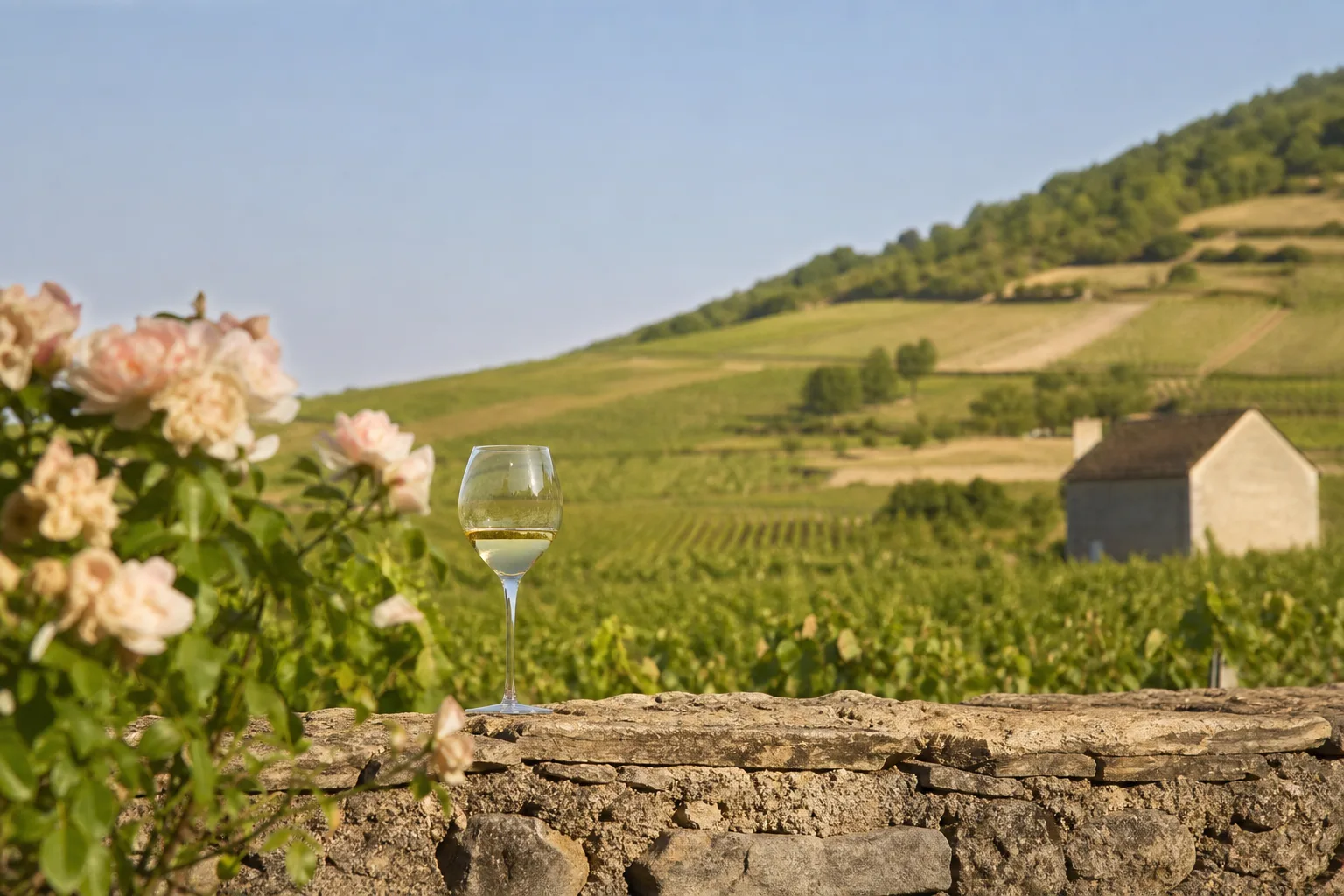
Burgundy climats are vineyard parcels delimited over centuries, each recognized for its own distinctive character. The word can be surprising: here, it has nothing to do with the weather, but with the language of terroir. In Burgundy, just a few metres can sometimes change the nature of a wine: more limestone, a different slope, an east-facing exposure, deeper or stonier soil. It is this precision, at once almost cadastral and poetic, that makes climats one of the essential keys to understanding great Burgundy wines.
What is a climat in Burgundy?
A Burgundy climat is a precisely delimited vineyard parcel, often known by a name handed down since the Middle Ages or the early modern period. This name may refer to a geological feature, a landform, a former property, a clos, an agricultural use or a local memory. A climat is therefore at once a physical place, a cultural heritage and a promise of taste.
Unlike a simple administrative plot, a climat expresses a long-standing relationship between the vine and people. Monks, dukes, owners, négociants and winegrowers observed, named, ranked and passed down these places. In Burgundy, this highly detailed reading of the soil has given rise to one of the most precise vineyard mosaics in the world.
A climat may belong to a village appellation, be classified as a Premier Cru, or correspond to a Grand Cru. Not all climats are therefore Grands Crus, but all contribute to an intimate understanding of Burgundy appellations.
In Burgundy, terroir is not told only by village: it is read parcel by parcel.
Grands Bourgognes
Climat, lieu-dit, appellation: what are the differences?
Burgundy uses a rich vocabulary that can sometimes be confusing. Three notions often come up: climat, lieu-dit and appellation. They can overlap, but they do not mean exactly the same thing.
The climat is a vineyard parcel historically identified for its personality. The lieu-dit is a cadastral or topographical place name, sometimes related to vineyards and sometimes not. In Burgundy usage, the two terms are close, but climat generally implies stronger winegrowing recognition. The appellation is a regulatory framework: it defines a production area, grape varieties, yields, practices and marketing conditions.
On a label, a wine may therefore carry the name of a village, such as Gevrey-Chambertin or Meursault, then possibly that of a climat classified as Premier Cru, such as Les Charmes, Les Perrières or Les Suchots. In the case of a Grand Cru, the name of the cru is often enough to identify the appellation, for example Chambertin, Montrachet or Clos de Vougeot.
How do you read a Burgundy wine label?
To read a label, look at the hierarchy: the name of the appellation, the possible mention Premier Cru, the name of the climat, then the producer and the vintage. A Chambolle-Musigny Premier Cru Les Amoureuses, for example, indicates a wine from the village of Chambolle-Musigny, from a specific climat named Les Amoureuses, classified as Premier Cru.
Why are climats so important in Burgundy?
Climats are essential because Burgundy is built on a simple yet demanding idea: place comes before brand. Where other regions place greater emphasis on the domaine, the château or the blend, Burgundy puts parcel origin in the foreground. The wine becomes the expression of a specific place.
This precision is all the more remarkable because the main grape varieties are relatively few in number. Pinot Noir dominates the great reds of the Côte de Nuits and part of the Côte de Beaune; Chardonnay reigns over the great whites of Meursault, Puligny-Montrachet, Chassagne-Montrachet, Chablis and the Côte Chalonnaise. With grape varieties so sensitive to place, the slightest nuance of terroir becomes perceptible in the glass.
The climat thus explains why two wines from the same village, the same grape variety and sometimes the same winegrower can offer very different profiles. One may be more floral, slender and airy; the other deeper, more structured, sunnier or more mineral. This diversity is no accident: it is born of geology, slope, wind, water, light and time.
UNESCO and the Climats of the Burgundy vineyard
Since 2015, the Climats of the Burgundy vineyard have been listed as a UNESCO World Heritage Site. This recognition does not celebrate only the beauty of the winegrowing landscapes: it highlights a unique cultural model, based on the patient delimitation of terroirs and the transmission of know-how over nearly two millennia.
The UNESCO area mainly covers the Côte de Nuits and the Côte de Beaune, from Dijon to the area around Santenay and Les Maranges, as well as heritage sites linked to winegrowing history, particularly in Dijon and Beaune. It includes more than a thousand climats, often separated by a path, a low wall, a slight change in slope or a variation in soil.
This listing reminds us that Burgundy wine is not just something to taste: it is an organized landscape, a mapped memory, a language of place. To understand climats is to understand why Burgundy fascinates wine lovers and collectors alike.
The hierarchy of Burgundy wines: from regional to Grand Cru
Climats come fully into their own within the Burgundy hierarchy. This hierarchy does not merely judge the quality of a producer: it first classifies origins. It helps wine lovers understand a wine’s level of precision, rarity and potential.
Regional appellations: they cover broad areas of Burgundy, such as Bourgogne Pinot Noir or Bourgogne Chardonnay.
Village appellations: they indicate a winegrowing commune, for example Vosne-Romanée, Volnay, Pommard or Meursault.
Premiers Crus: they designate climats recognized for their superior quality within a village.
Grands Crus: they represent the top of the hierarchy, with their own appellations, often derived from a climat or a precisely delimited group of parcels.
This organization makes it easier to place a wine before even tasting it. A Premier Cru is not automatically “better” than a village wine in a simple sense: it expresses a recognized place, with a higher level of expectation and rarity. The final style will also depend on the domaine, the vintage, the age of the vines, the vinification and the ageing.
Soil, exposure, slope: what shapes a climat
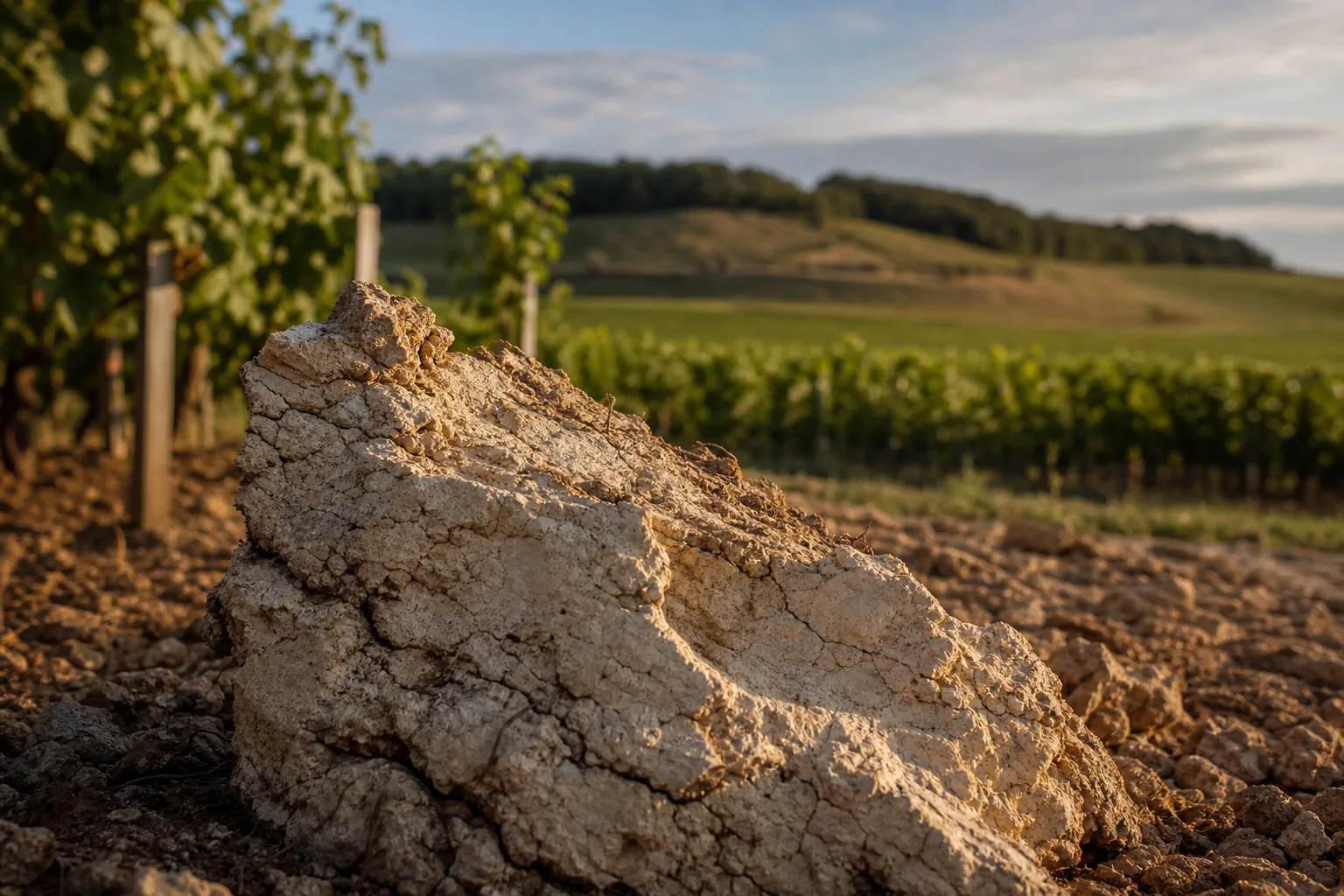
The personality of a climat is born from a combination of natural factors. The first is geology. In Burgundy, limestone, marl, clay and scree play a major role in drainage, vine vigour and the mineral or tactile sensation of the wine. Poor, stony soil can produce taut, precise wines; deeper soil can bring more flesh and power.
Exposure also matters. The best slopes of the Côte d’Or often face east or south-east, receiving gentle morning light and sometimes avoiding excess heat at the end of the day. Altitude and slope influence ripeness, freshness, drainage and air circulation.
To these natural elements is added human work: pruning choices, ploughing or grass cover, harvesting, sorting, extraction and ageing. The climat provides the matrix; the winegrower offers an interpretation. This is why two domaines working the same climat can produce different wines without betraying the identity of the place.
Famous examples of climats in Burgundy
Some climats have become legendary because they have given rise to wines of exceptional depth and consistency. In the Côte de Nuits, the names Chambertin, Clos de Bèze, Romanée-Conti, Richebourg, Musigny and Clos de Vougeot evoke the nobility of Pinot Noir, in styles ranging from architectural power to aromatic lacework.
In the Côte de Beaune, the great whites find some of their most sought-after expressions in climats such as Montrachet, Chevalier-Montrachet, Bâtard-Montrachet, Meursault Perrières and Corton-Charlemagne. Chardonnay reveals nuances of white flowers, citrus, dried fruit, fine butter, warm stone or saline tension depending on the sites and vintages.
It would be reductive, however, to mention only the most prestigious names. Many less famous climats offer remarkable wines, sometimes more accessible, in the Côte Chalonnaise, the Mâconnais or less-publicized villages of the Côte d’Or. For wine lovers, this is often where truly beautiful discoveries are found.
Climats and vintages: two complementary keys
The climat defines the place; the vintage tells the story of the year. In Burgundy, their dialogue is essential. A cool year will often highlight tension, aromatic finesse and delicately balanced structure. A sunnier year will bring more ripeness, volume, ripe fruit and sometimes a more generous structure.
Some climats respond better than others to excessive heat or cooler years. A well-ventilated exposure, well-draining soil or slightly higher altitude can preserve freshness in a hot year. Conversely, a well-exposed sector can help the vine reach harmonious ripeness in a more difficult vintage.
To choose a Burgundy wine, you therefore need to combine three pieces of information: the climat, the producer and the vintage. The climat gives the identity, the producer the signature, the vintage the tempo.
How to choose a wine according to its climat
For an online purchase, the name of the climat is a valuable reference point, but it should be interpreted with nuance. A Grand Cru for cellaring will suit a patient wine lover or a special occasion. A well-chosen Premier Cru can offer an admirable balance between complexity, ageing potential and clarity of terroir. A village appellation from a fine lieu-dit can be a fascinating entry point into a domaine’s world.
If you enjoy fine, floral and silky reds, explore the climats of Chambolle-Musigny, Volnay or certain expressions of Morey-Saint-Denis. For more structured, deeper reds suited to ageing, look towards Gevrey-Chambertin, Nuits-Saint-Georges, Pommard or Corton. For whites, Meursault often appeals through its texture and breadth, Puligny-Montrachet through its precision, and Chassagne-Montrachet through its balance between flesh and tension.
On Grands Bourgognes, the ideal approach is to filter by appellation, colour, vintage and budget, then refine according to the style you are looking for: a wine to drink now, a bottle for cellaring, a gift, a gastronomic meal or the discovery of a domaine. Climats are a compass: they do not replace advice, but they guide the choice with rare precision.

Food and wine pairings: climats at the table
Climats also influence food and wine pairings. A delicate Pinot Noir from a fresh, elegant climat will happily accompany roast poultry, pork tenderloin, mushroom risotto or a mild soft cheese. A more full-bodied red, born from a sunny or clay-rich climat, will better stand up to pigeon, duck, braised beef or sauced dishes.
For whites, a taut, mineral Chardonnay will be superb with fine fish, shellfish, poultry in a light cream sauce or goat’s cheeses. A fuller white, such as certain Meursault or Chassagne-Montrachet wines, can accompany poularde, scallops, lobster or creamy mushroom-based cuisine.
The safest rule is to match the intensity of the dish with that of the wine. A climat renowned for finesse calls for precise cuisine; a more powerful climat can take greater depth, jus and texture.
Burgundy climats: a culture of precision
To speak of Burgundy climats is to enter a civilization of detail. Each name carries a nuance, each low wall draws a boundary, each slope modifies grape ripeness. This precision explains the fascination exerted by Burgundy wines: they do not seek uniformity, but the patient revelation of differences.
For wine lovers, climats are an invitation to taste comparatively. Tasting two wines from the same village, two neighbouring Premiers Crus or two vintages from the same climat makes it possible to understand Burgundy from the inside. Pleasure then becomes knowledge, and knowledge enriches pleasure.
FAQ sur les climats en Bourgogne
What does the word climat mean in Burgundy?
In Burgundy, a climat is a precisely delimited and named vineyard parcel, recognized for its own characteristics: soil, exposure, slope, altitude, history and expression in the wine. The term therefore does not refer to the weather.
What is the difference between a climat and a Premier Cru?
A climat is an identified vineyard parcel. A Premier Cru is a classification level within a village appellation. Some climats are classified as Premier Cru, but not all climats are.
Is a Grand Cru a climat?
In many cases, a Grand Cru corresponds to a climat or to a very precisely delimited group of parcels. In Burgundy, Grands Crus have their own appellation, such as Chambertin, Montrachet or Clos de Vougeot.
How many climats are there in Burgundy?
The area of the Climats of the Burgundy vineyard listed by UNESCO includes more than a thousand climats, often cited at around 1,247 for the Côte de Nuits and the Côte de Beaune. More broadly, the concept is part of Burgundy’s entire parcel-based culture.
Why are Burgundy climats listed by UNESCO?
They have been listed since 2015 because they represent a unique cultural model: a vineyard organization based on the fine delimitation of terroirs, the transmission of parcel names and the expression of place in wine.
Does the climat really influence the taste of the wine?
Yes. The climat influences the wine’s ripeness, freshness, structure, texture and aromas. Soil type, exposure, slope and drainage can produce noticeable differences, even between two neighbouring parcels.
How do you choose a Burgundy wine when you do not know the climats?
Start with the appellation, colour, vintage and style you are looking for. Then the name of the climat can help you refine your choice: finesse, power, minerality, ageing potential or immediate pleasure. Advice from a wine merchant remains valuable for connecting the place name to your intended use.