



Fixin: 5 Bottles to Understand the Appellation
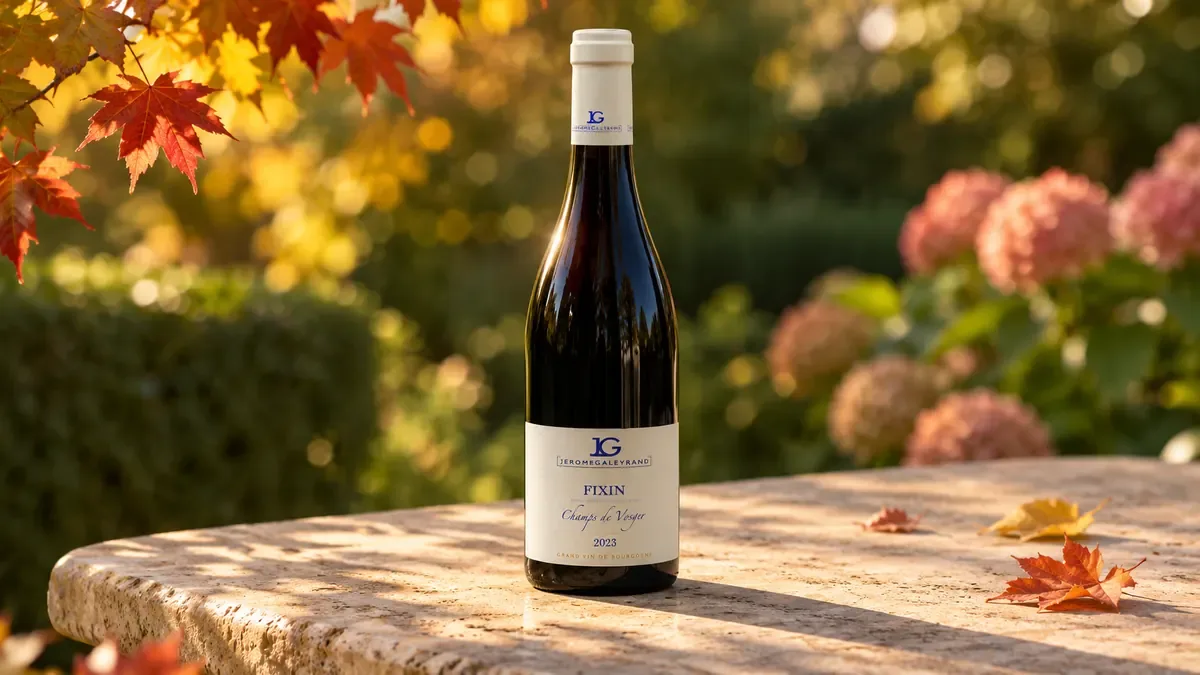
To understand Fixin through five bottles, let’s compare five producers from the 2023 vintage. Champs de Vosger, Crais de Chêne and En Combe Roy are joined by two other village wines. A practical introduction to the nuances of Pinot Noir in the Côte de Nuits.
Fixin at a glance
In the northern Côte de Nuits, Fixin lies between Dijon and Gevrey-Chambertin. The village appellation also includes Premier Cru wines from demarcated vineyard plots. Its predominantly red wines are made mainly from Pinot Noir; the rarer whites are made from Chardonnay.
The reds can combine fruit, freshness and structure, with nuances shaped by the vineyard site, vintage and producer’s approach. The whites offer a different perspective on the vineyards; their style also depends on production choices and the year. So it’s better to taste several bottles than to look for a single defining style.
Our selection: five bottles to discover Fixin
- -€12.00
-
94
Fixin Champs de Vosger 2023

Fixin Crais de Chêne 2023

Fixin En Combe Roy 2023

Fixin Rouge 2023

Fixin Rouge "Filiae" 2023
-
94
-
90
-

Fixin Champs de Vosger 2022

Fixin 'Vieilles Vignes' 2024
Our five starting points: Champs de Vosger 2023 by Jérôme Galeyrand, Crais de Chêne 2023 by René Bouvier, En Combe Roy 2023 by Alain Jeanniard, Fixin Rouge 2023 by Philippe Livera and Filiae 2023 from Domaine Joliet. Five producers and the same vintage make for a more focused comparison.
The first five wines in the carousel make up our main selection. Three additional bottles extend the discovery: Champs de Vosger 2022 by Jérôme Galeyrand, Vieilles Vignes 2024 from Domaine Humbert and Vieilles Vignes 2023 by Dominique Laurent. Browse all the wines in our Fixin selection.
What these wines let you compare
Start with the five 2023 reds: compare fruit intensity, freshness, tannin texture and finish. Differences between vineyard sites still come through, even in the same vintage. To explore this further, read our article on why wines from the same appellation differ.
A named vineyard site on the label offers another way to read the wine; the term “old vines”, meanwhile, is not enough to predict how a wine will taste. If the vintages differ, bear that in mind: comparing producers will also mean comparing different years.
At the table and in the cellar
Fixin red pairs beautifully with roast poultry, mushrooms or slow-cooked meat. Match the richness of the dish to the wine’s structure. Serve at around 15–17°C, then taste before deciding whether to aerate it: different bottles benefit from aeration in different ways.
Ageing potential depends on the producer, vintage and wine, so check each bottle rather than relying on a one-size-fits-all timeframe. Store it at a stable temperature, away from light and vibration. A cool cellar suits both reds and whites, as long as they are protected from temperature fluctuations.