


Beaujolais Nouveau: why not use November 19 to discover the Beaujolais crus too?
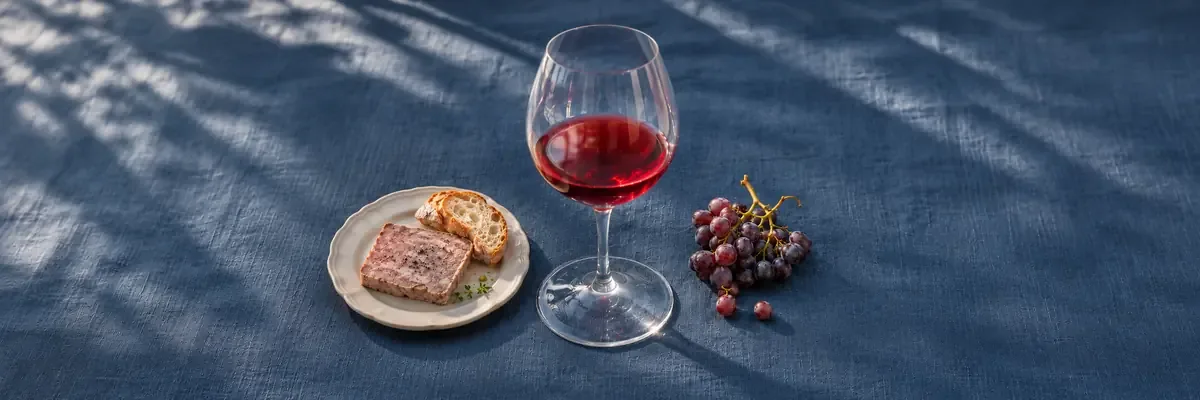
On November 19, 2026, Beaujolais Nouveau arrives. Take the opportunity to open a Fleurie, a Régnié or a Moulin-à-Vent too: the same red grape, but different terroirs and winemaking that bring out different dimensions in the wine. Here are some pointers and bottles to compare.
What we’re celebrating on November 19
The date falls on the third Thursday in November, as Inter Beaujolais confirms for 2026. “Nouveau” refers to a wine from that year’s harvest, released soon after. The reds are made from Gamay noir à jus blanc.
The Beaujolais and Beaujolais-Villages appellations can produce Nouveau wines. The ten crus have their own appellations and can be enjoyed all year round. So November 19 is also a chance to keep exploring with other Beaujolais wines.
What gives Beaujolais Nouveau its style
Beaujolais Nouveau 2026 is made from the 2026 harvest and released from Thursday, November 19. It is produced under the Beaujolais or Beaujolais-Villages appellations, with the designation “nouveau” or “primeur”. The reds are made from Gamay noir à jus blanc.
To make a wine ready so early, winemakers favour short macerations: the juice spends little time in contact with the skins and bunches before pressing. The aim is to highlight the fruit and a supple palate, for a wine to enjoy young. However, this does not allow us to predict the taste of the 2026 vintage before it has been tasted.
November 19 can also be a chance to open a cru alongside the Nouveau. A Fleurie or a Moulin-à-Vent is made from the same grape variety, but comes from a delimited appellation, with different winemaking choices and ageing. Compare the tannins and the length of the flavours in particular: you’ll get a real sense of what Gamay can offer beyond primeur wines.
Discover Beaujolais wines at GB
Get ready for your tasting with our selection of Beaujolais wines: Beaujolais, Beaujolais-Villages and the crus. Choose according to your preferences and budget, then check the product pages for vintage details and bottle availability.
An easy tasting to host at home
Three bottles are enough: a Nouveau, if you have one, followed by a Fleurie and a Moulin-à-Vent. Start in this order, then return to the first glass. Inter Beaujolais serving guidelines: 13–15 °C for Fleurie, 15–17 °C for Moulin-à-Vent. Taste before deciding whether to decant.
Make a note of three things: the dominant aroma, how the tannins grip your gums and how long the flavours linger after tasting. Have some bread and water on hand. For food, try a terrine to start, roast poultry with the Fleurie, then roasted mushrooms with the more structured cru. Explore our pairings for slow-cooked dishes and all our Beaujolais wines.
Frequently asked questions about Beaujolais Nouveau 2026 and the crus
When is Beaujolais Nouveau 2026 released?
On Thursday, November 19, 2026, the third Thursday in November.
Do the crus produce Beaujolais Nouveau?
No. Nouveau wines fall under the Beaujolais and Beaujolais-Villages AOCs, not the ten crus.
Should all Beaujolais wines be drunk within a year?
Nouveau is best enjoyed young for its fruit. Some crus, particularly Moulin-à-Vent and Morgon, can develop over several years in the cellar. Ageing potential depends on the cuvée, vintage and storage conditions: check the advice on the product page.
Is carbonic maceration reserved for Nouveau wines?
No. It can also be used for crus, as illustrated by the method announced by Julien Sunier for his Régnié.
Should crus be served at room temperature?
A room heated to 21 °C is too warm for these tasting guidelines. Inter Beaujolais recommends 13 to 15 °C for Fleurie and 15 to 17 °C for Moulin-à-Vent. Check with a thermometer and let the wine warm gently in the glass.


