


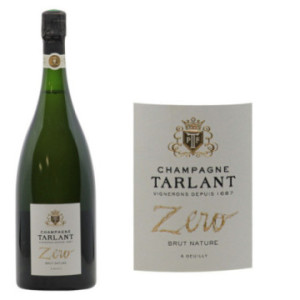
Tarlant Zéro Brut Nature Non millésimé
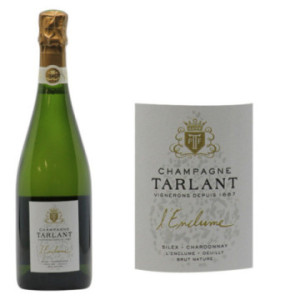
Tarlant L'Enclume Brut Nature 2013
-
90
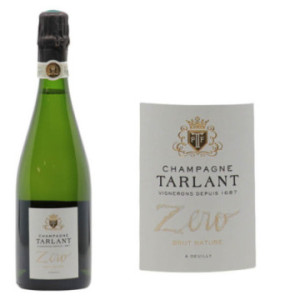
Tarlant Zéro Brut Nature Non millésimé
Centuries-Old Winemaking Heritage
Since 1687, the Tarlant family has been cultivating vines in Champagne, passing down their passion through generations. Settled in Œuilly since 1780, they have developed a remarkable wine estate rooted in tradition yet open to innovation. In 1928, Louis Adrien Tarlant marked a decisive turning point by producing the family's first estate-bottled Champagne, initiating a long lineage of exceptional wines.
A Vineyard with Diverse Terroirs
The Tarlant estate spans 14 hectares across 55 parcels located in the villages of Œuilly, Boursault, St-Agnan, and Celles-lès-Condé, in the heart of the Marne Valley. This mosaic of terroirs offers unique geological richness, with soils composed of chalk, limestone, sand, and small pebbles, allowing for an authentic expression of the vineyard’s diverse grape varieties: 50% Pinot Noir, 30% Chardonnay, 19% Meunier, along with small plantings of Arbane, Petit Meslier, and Pinot Blanc.
Zero-Dosage Champagnes: Pure Expression of Terroir
As pioneers of zero-dosage Champagne since the 1970s, the Tarlant family has made the bold choice of producing wines without added sugar after disgorgement, allowing the purest expression of the terroir and grape character. One of the estate’s flagship cuvées, Cuvée Louis, is a blend of 50% Chardonnay and 50% Pinot Noir from old vines in the “Les Crayons” parcel in Œuilly. Aged in oak barrels and left on lees for over 15 years, this Champagne offers remarkable depth and complexity.
Artisanal Winemaking with Respect for Nature
In the cellar, Tarlant prioritizes parcel-based vinification in oak barrels, as well as stainless steel and concrete tanks, to fully respect the identity of each terroir. The absence of malolactic fermentation and the extended aging process contribute to the freshness and aromatic complexity of the wines. Each cuvée is crafted with precision, ensuring that every bottle reflects the singularity of its vineyard origin.
A Commitment to Excellence and Innovation
Now led by Benoît and Mélanie Tarlant, the twelfth generation of the family, the estate continues to balance tradition with modernity. Their dedication to sustainable viticulture and precise winemaking has earned Tarlant Champagnes a reputation for purity and expressiveness. With an annual production limited to approximately 100,000 bottles, the house remains focused on quality over quantity, crafting wines that truly embody the soul of Champagne.


