



Hautes-Côtes de Beaune: why look to the hills?
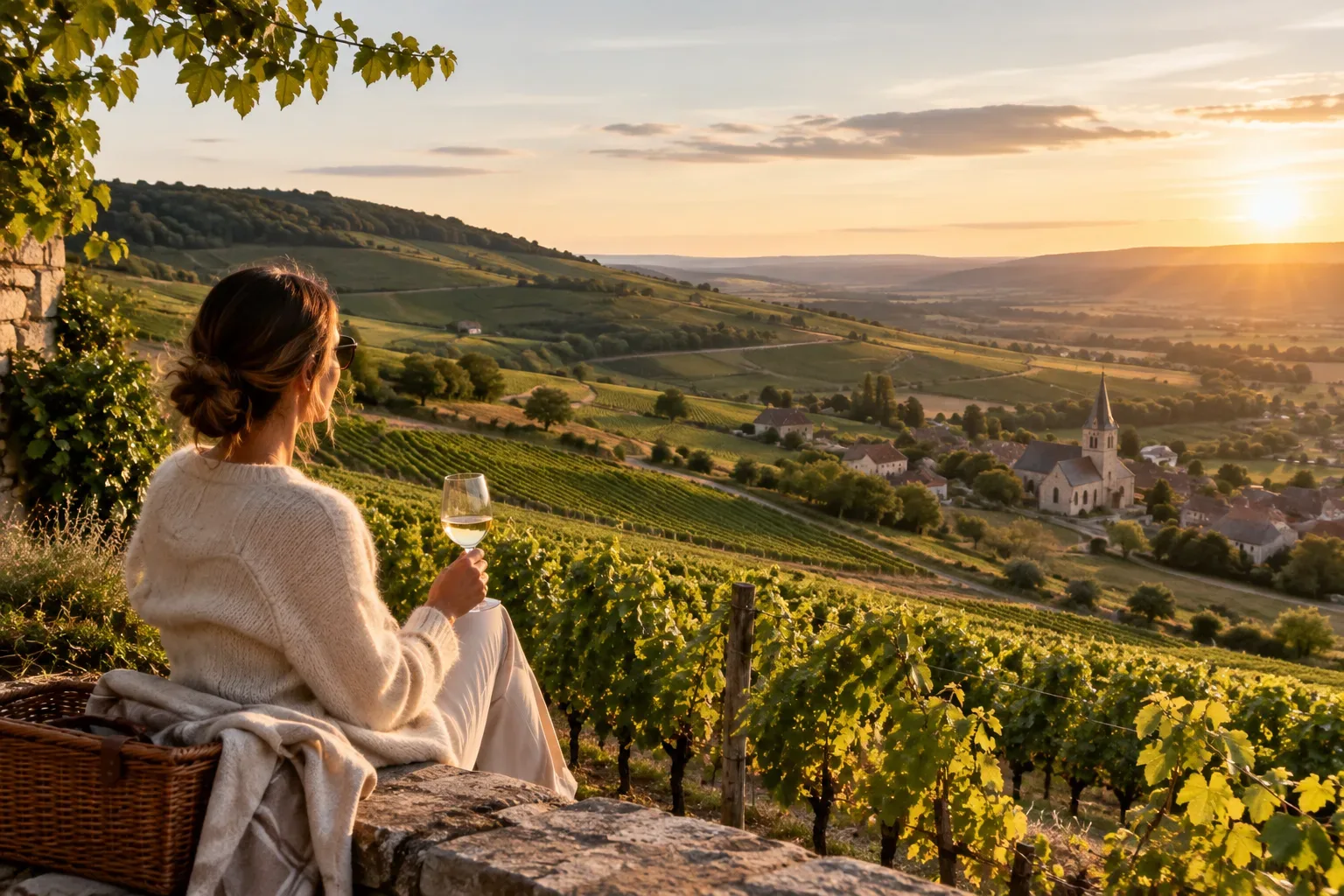
Why look to the Hautes-Côtes de Beaune? To discover Burgundy wines whose higher-altitude sites can promote freshness, often with an attractive pleasure-to-price ratio. West of the Côte de Beaune, this hillside vineyard area is neither a uniform whole nor an automatic guarantee of good value. Parcel exposure, soils, the vintage and the winegrower’s choices matter as much as altitude. This diversity is precisely the appeal of the hills: another interpretation of pinot noir and chardonnay, to be explored cuvée by cuvée.
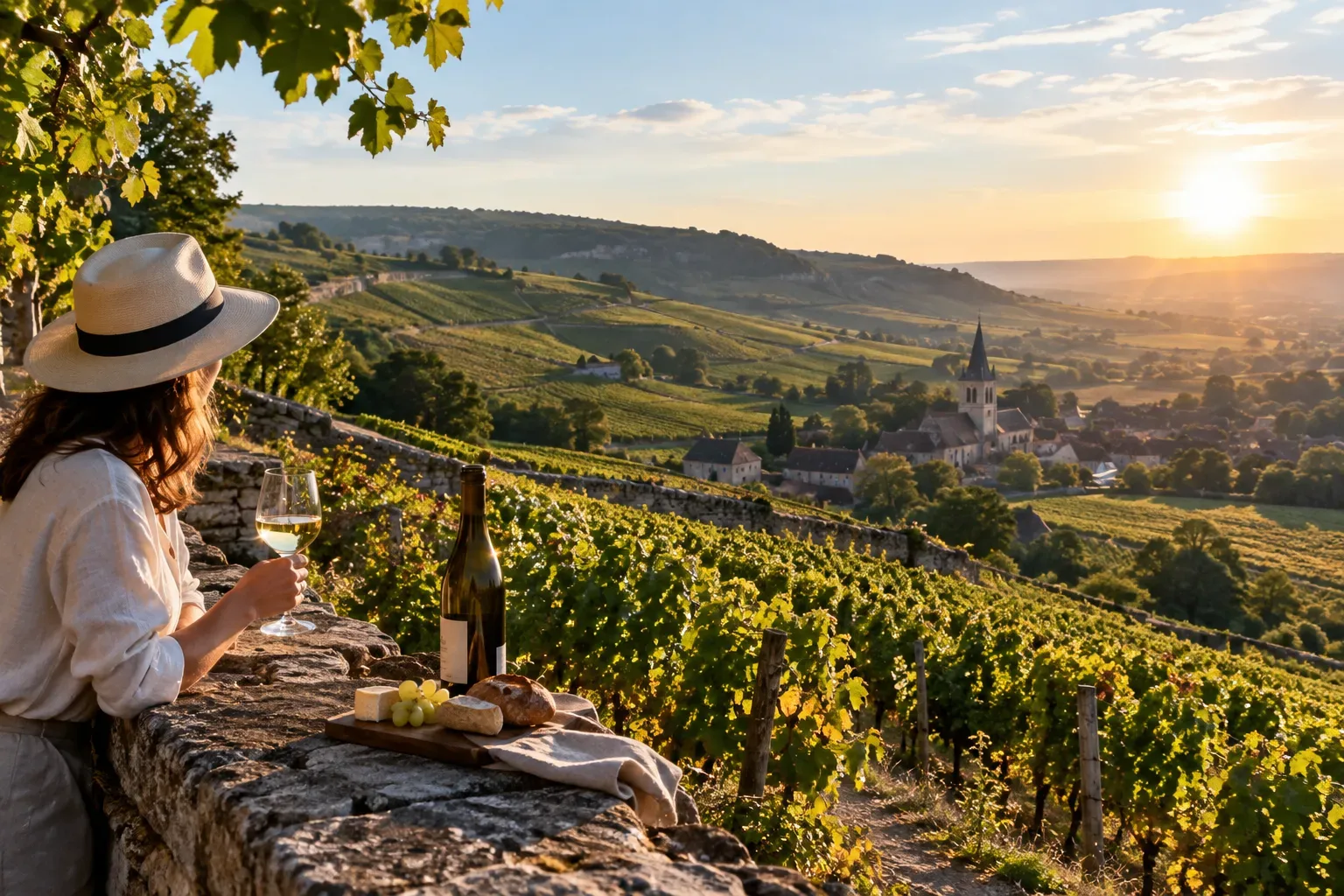
Hautes-Côtes de Beaune: a vineyard set back from the Côte de Beaune
Leave the slopes of the Côte de Beaune heading west, and you enter a higher landscape made up of small valleys, hillsides and plateaus. The vines occupy distinct sites here, within a territory that cannot be reduced to a continuous ribbon of plots. The Hautes-Côtes de Beaune are a vineyard area in their own right, not simply the higher-altitude extension of a neighbouring village appellation.
What Bourgogne Hautes-Côtes de Beaune means
From a regulatory standpoint, Bourgogne Hautes-Côtes de Beaune is a supplementary geographical designation of the Bourgogne AOC. It identifies wines from a delimited area in the arrière-côte de Beaune, across parts of Côte-d’Or and Saône-et-Loire. Not every high-lying vineyard near Beaune can therefore automatically claim this name: the origin of the grapes and the production conditions must comply with the specifications.
This distinction helps when reading a label. A Bourgogne Hautes-Côtes de Beaune is neither a Beaune village nor a premier cru from the Côte de Beaune. It carries a different indication of origin, with its own diversity of sites and styles. The producer’s name and the cuvée name then become important reference points for going beyond the designation alone.
Altitude, exposure and soils: what shapes the wines of the hills
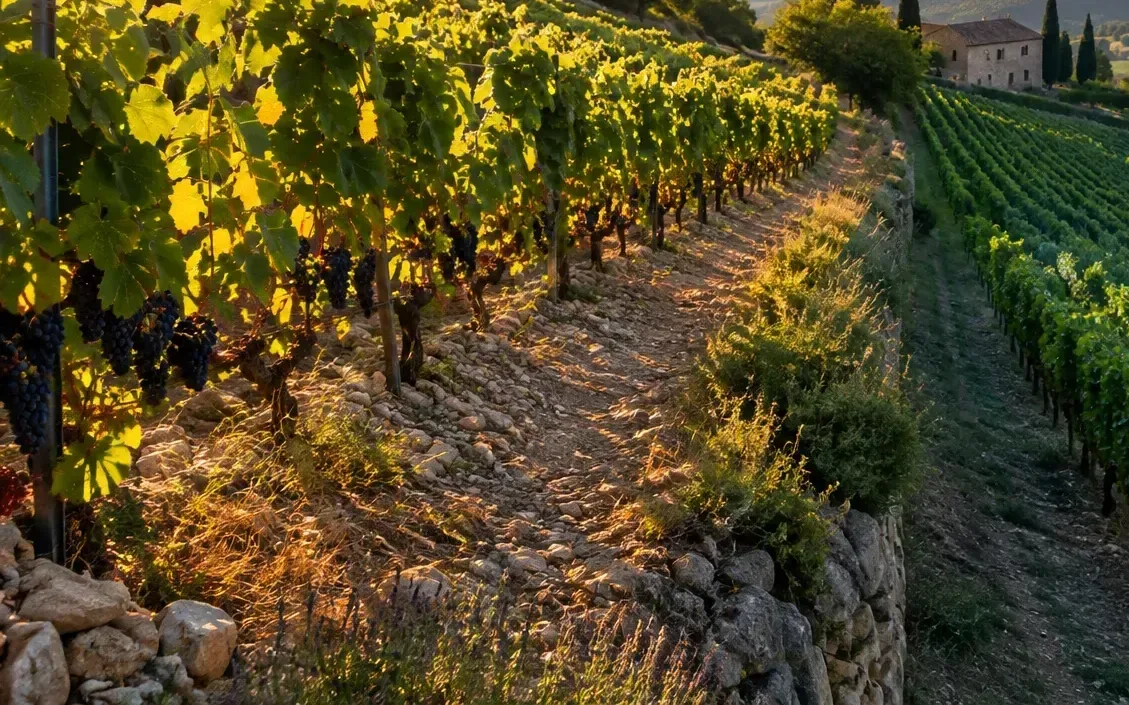
Altitude changes the conditions in which the vine completes its cycle. All else being equal, a higher environment is generally cooler, which can slow grape ripening and help preserve acidity. But altitude alone is not enough to predict a wine’s freshness: a well-exposed slope does not behave like a less exposed parcel, even at a similar height.
Balance is decided at parcel level
Orientation and slope influence sunlight exposure, while the relief affects air circulation. The soils, often linked to limestone and marl formations, vary in their proportions of clay, depth and stoniness. These differences notably affect drainage and the water available to the vine.
Shortcuts should therefore be avoided: limestone soil does not mechanically give a wine a stony taste, just as a high parcel does not necessarily produce a light wine. Terroir influences how the vine functions and how the grapes ripen; the winegrower then guides this raw material through choices in vineyard work, harvest date, vinification and ageing. The desired freshness is a balance, not a simple consequence of altitude.
Pinot noir and chardonnay: styles to discover
Pinot noir reds may emphasise clear red fruit, a supple frame and a feeling of freshness. Others show more substance, structure or spicy notes. Chardonnay whites may appear in a lively register, with hints of citrus and white fruit, or offer a fuller palate, sometimes shaped by ageing.
These descriptions are guideposts, not a mandatory portrait. Grape ripeness, extraction for reds and ageing methods strongly shape the final result. A cuvée aged in barrel is not necessarily very oaky; conversely, the appellation mention alone does not reveal its aromatic intensity or texture.
Some wines to drink young, others to let evolve
Some Hautes-Côtes de Beaune are appealing in their youth thanks to their fruit and accessibility. Cuvées with sufficient substance, well-integrated acidity and, for reds, a balanced tannic structure can develop favourably over several years. Ageing potential should be assessed at the level of the wine, not the appellation name alone.
When choosing, look for a sheet that specifies the style, ageing and recommended drinking window. A supple red can accompany roast poultry or a mushroom dish; a lively white suits fish, while a fuller expression can work well with poultry in a cream sauce. The texture of the wine and that of the dish remain better guides than an automatic pairing based on colour.
Terroirs to watch in a warming climate
As temperatures rise, relatively cool sites are attracting renewed interest. Slower ripening can help preserve acidity and achieve a balance between fruit richness and vibrancy. In this respect, the Hautes-Côtes de Beaune are a region to watch for understanding the different responses of Burgundy’s vineyards to warming.
It would be excessive, however, to present them as a guaranteed climate refuge. A shallow parcel may suffer from lack of water; an exposure favourable to ripening can also amplify the effects of a hot spell. The interest of a high-altitude terroir depends on all its characteristics, not on a uniform advantage over lower vineyards.
Frost and vintage remain decisive
The hills are not immune to frost. The vine’s stage of development, the movement of cold air and the local configuration determine part of the risk. A high site and a valley floor do not react in the same way, and altitude alone cannot predict the damage.
Cool or wet years can also make ripening more difficult in certain parcels. Conversely, a hot year can favour riper grapes without erasing all terroir differences. For wine lovers, the right approach is to cross-check information about the vintage with details on the producer and the cuvée, rather than considering all high-altitude sites to be naturally advantaged.
A pleasure-to-price ratio to explore in Burgundy
The Hautes-Côtes de Beaune often offer more affordable access to Burgundy wines than the renowned village appellations of the Côte de Beaune, especially their premiers crus. This comparison remains a trend: prices vary according to domaines, cuvées, vintages and availability. A sought-after Hautes-Côtes may cost more than another wine with a different appellation.
The point is therefore not to find a cheap substitute for a famous name, but a convincing wine for its price and suited to the intended use. A cuvée with precise fruit and discreet ageing can provide great pleasure at the table; a more structured expression may justify a higher budget if you are looking for more depth or development in the cellar.
Useful reference points before buying online
On Grands Bourgognes, as with any online wine purchase, it is better to compare the available information rather than the displayed price alone. Check the exact designation, the vintage, the bottle size and the tasting notes. When the product sheet specifies them, the parcel origin and ageing methods also help you understand the cuvée.
For near-term drinking: choose a style described as accessible, fruity or already ready to drink.
For the cellar: look for an ageing recommendation specific to the cuvée and vintage.
To compare prices: compare bottles of the same size and take delivery costs into account.
Looking to the hills ultimately means shifting your attention: relying less on the reputation of a name, and listening more closely to what a place, a year and a winegrower’s work have to say.
Questions fréquentes sur les Hautes-Côtes de Beaune
Where are the Hautes-Côtes de Beaune located?
The Hautes-Côtes de Beaune are located on the hills west of the Côte de Beaune, in Burgundy. The delimited area of the Bourgogne Hautes-Côtes de Beaune designation covers parts of Côte-d’Or and Saône-et-Loire.
Is Bourgogne Hautes-Côtes de Beaune a village appellation?
No. It is a supplementary geographical designation of the Bourgogne AOC, not a village appellation such as Beaune. This indication is subject to specific rules regarding origin and production.
Are wines from the Hautes-Côtes de Beaune always fresher?
Altitude can contribute to slower ripening and the preservation of acidity, but it does not guarantee a given style. Exposure, soils, vintage, harvest date and vinification also influence the wine’s balance.
Can a Hautes-Côtes de Beaune be cellared?
Yes, some cuvées can develop favourably over several years. Others are more intended to be enjoyed young. The producer’s recommendation for the cuvée and vintage is more useful than a single ageing period applied to the entire designation.
Do the Hautes-Côtes de Beaune offer good value for money?
They often come at more accessible prices than the renowned village appellations of the Côte de Beaune. However, the pleasure-to-price ratio should be assessed bottle by bottle, according to the producer, style, vintage and total purchase price.

Bourgogne Hautes-Côtes de Beaune Blanc... 2023
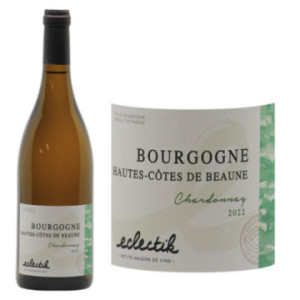
Bourgogne Hautes-Côtes de Beaune Blanc 2022
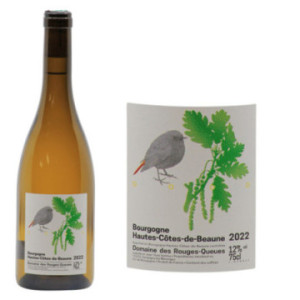
Bourgogne Hautes-Côtes de Beaune Blanc 2022
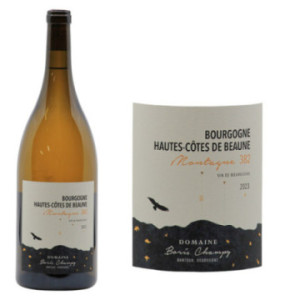
Bourgogne Hautes-Côtes de Beaune Blanc... 2023
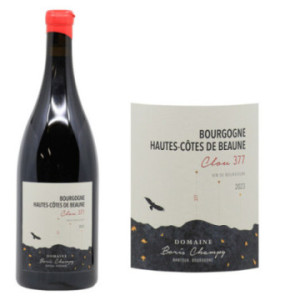
Bourgogne Hautes-Côtes de Beaune "Altitude... 2023
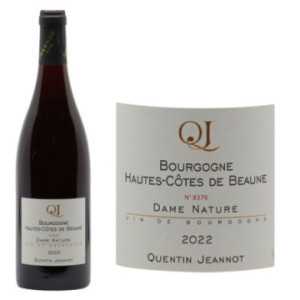
Bourgogne Hautes-Côtes de Beaune "Dame... 2022
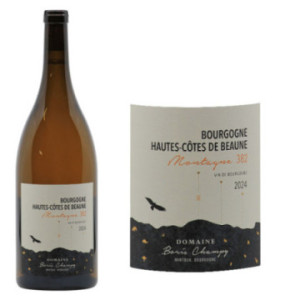
Bourgogne Hautes-Côtes de Beaune Blanc... 2024
