



6 Burgundy appellations to discover beyond the classics
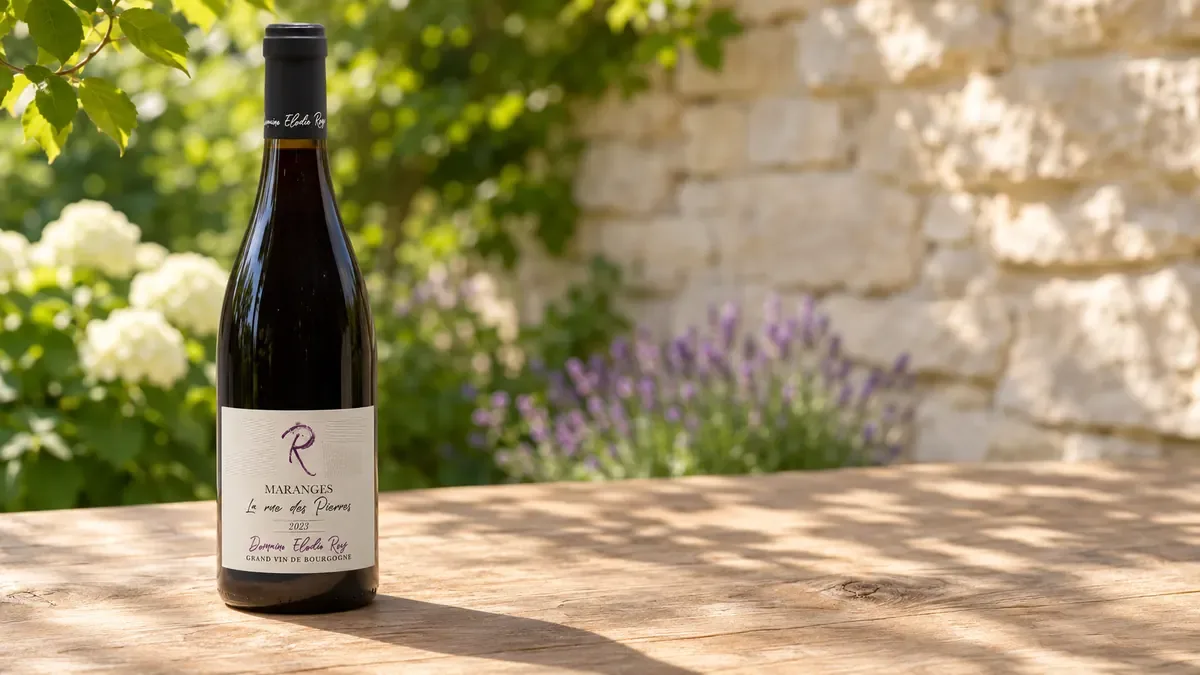
Among the Burgundy appellations to discover beyond the classics, Maranges, Monthélie, Auxey-Duresses, Rully, Givry and Mercurey offer six rewarding places to start. All produce pinot noir reds and chardonnay whites, with styles that vary according to the location, vintage and winemaker.
Maranges and Monthélie: two perspectives on the Côte de Beaune
At the southern end of the Côte de Beaune, Maranges is well worth exploring for its pinot noir reds. Its less common chardonnay whites reveal another side of the appellation. Try both colours from the same producer.
Neighbouring Volnay and Meursault, Monthélie produces both red and white wines. It’s a lovely way to explore more of the Côte de Beaune without sticking to its best-known appellations.
Auxey-Duresses and Rully: enjoy both reds and whites
At Auxey-Duresses, try both colours: pinot noir for red, chardonnay for white. Roast chicken or chicken in a cream sauce is a good starting point for considering a pairing, depending on the style of the cuvée.
In the Côte Chalonnaise, Rully invites you to explore both whites and reds. Start with a village-level cuvée, then compare producers’ descriptions rather than guessing the taste from the appellation name alone.
Givry and Mercurey: exploring the Côte Chalonnaise
Givry is best known for its pinot noir reds, but its whites deserve attention too. Our selection includes both colours, offering a broader introduction to this Côte Chalonnaise appellation.
At Mercurey, explore the diversity of its producers and cuvées. Structure varies from bottle to bottle, so it’s worth reading each product description rather than always looking for a powerful red. The whites offer another perspective.
Our selection for something different
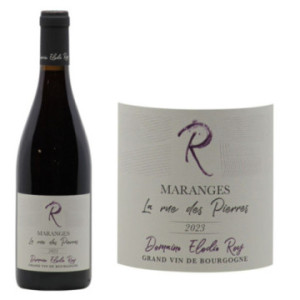
Maranges Rouge La Rue des Pierres 2023
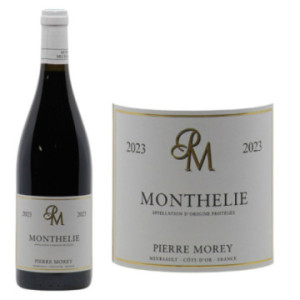

Monthélie Rouge 2023
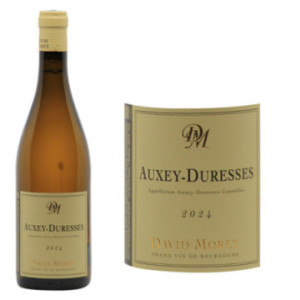
Auxey-Duresses Blanc 2024
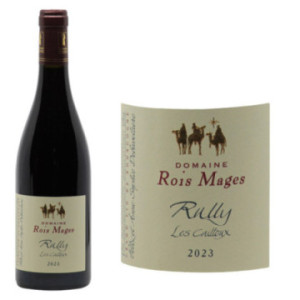
Rully Rouge Les Cailloux 2023
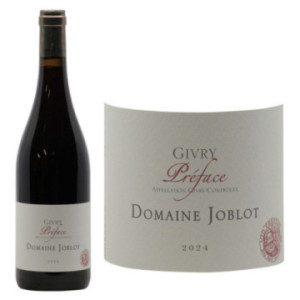
Givry Rouge "Préface" 2024
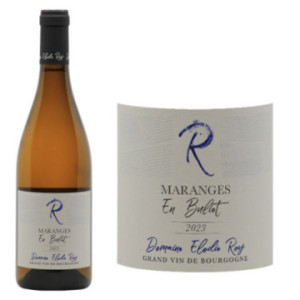
Maranges Blanc En Buliet 2023
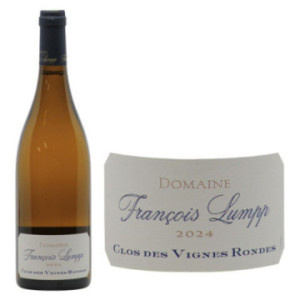
Givry Blanc Clos des Vignes Rondes 2024
These eight bottles cover all six appellations, with two extra takes on the whites of Maranges and Givry. Start with a colour you enjoy, then compare two villages or producers. The pleasure of discovery matters as much as the name’s reputation.
These are general pointers: the producer, cuvée and vintage matter as much as the village name when choosing a bottle to suit your taste. Compare descriptions and prices without assuming that an appellation is always affordable or that a premier cru will necessarily suit your palate better.
Frequently asked questions about these six Burgundy appellations
Do all six appellations produce both white and red wines?
Yes. Each produces pinot noir reds and chardonnay whites, although the proportions vary by appellation.
What’s the difference between a village appellation and a premier cru?
A premier cru comes from a delimited climat classified within a village appellation. Its name may appear on the label; the classification alone doesn’t determine your preferences.
Are all these wines affordable?
No. Prices vary according to the producer, cuvée, classification and vintage; value and enjoyment are best assessed bottle by bottle.
Which appellation should I try first?
A fruity red Givry or a white Rully are two options, depending on the colour you’re looking for. The cuvée description can help you narrow down your choice.
How can I compare red Givry and Mercurey?
Taste them at a similar temperature and compare their fruit, freshness and tannins. Mercurey can tend to be more structured, but the cuvées and vintages make the difference.