



Provence Rosés 2025 Vintage: Freshness, Radiance and Balance
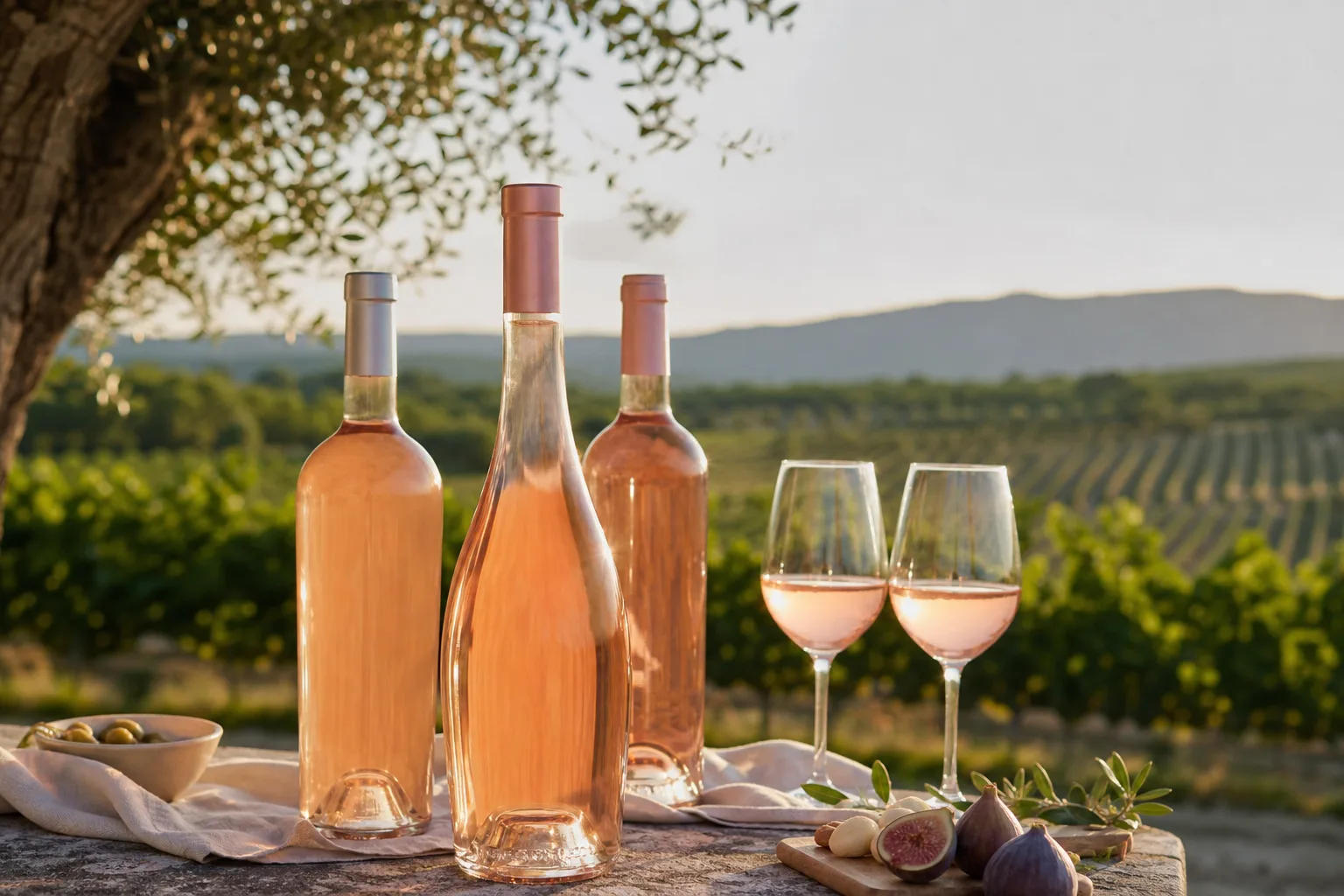
Provence rosés from the 2025 vintage should appeal with their clear fruit expression, controlled freshness and resolutely dry, elegant, sun-kissed style without excess. In a region where Grenache, Cinsault, Syrah, Mourvèdre, Tibouren and Rolle all contribute to the identity of the blends, 2025 is shaping up to be a vintage to watch for lovers of pale, precise and gastronomic rosés.
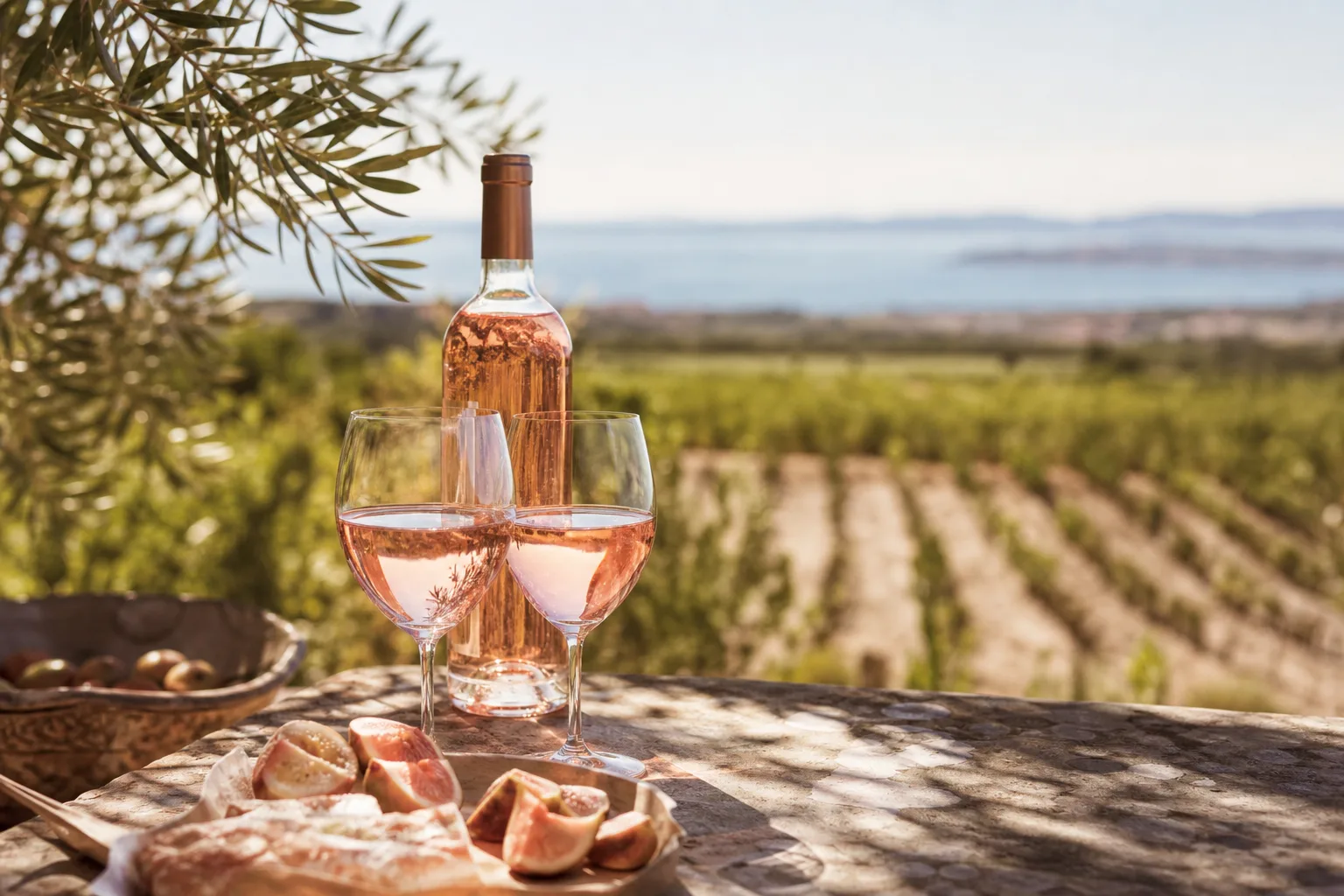
The 2025 vintage in Provence: climate context and its influence on rosés
In Provence, the quality of a rosé vintage rests on a delicate equation: achieving sufficient ripeness to deliver fruit, body and expression, while preserving the natural acidity that brings tension and drinkability. The 2025 vintage fits into this Mediterranean reading, with particular attention paid to harvest dates, heat management and precision in pressing.
Across Provence, from coastal terroirs to more inland hillsides, the combined influence of sunshine, dry winds such as the mistral and cooler nights at altitude plays a major role. For rosés, these factors shape the color, alcohol level, aromatic finesse and sensation of freshness on the palate. When the vine reaches ripeness gradually, the juices gain precision: the grapes then offer clean aromas, without heaviness, and a structure lively enough to balance the richness of the climate.
One of the key challenges in 2025 will therefore be achieving just the right ripeness. Harvesting too late could accentuate alcohol and reduce vibrancy; harvesting too early could produce thinner wines dominated by firm acidity. The most attentive estates will seek the ideal window: healthy grapes, controlled phenolic ripeness, clear juices and measured extraction in order to preserve the pale, dry and finely chiseled style that has made Provence rosés famous.
Depending on the sector, the cuvées may show noticeable nuances. Areas close to the sea should favor saline, airy profiles; warmer terroirs will produce fruitier, more enveloping rosés; altitude or well-ventilated plots may enhance freshness. It is this Provence mosaic that will allow the 2025 vintage to offer several interpretations of rosé: from a crystalline aperitif wine to a more structured gastronomic bottle.
Aromatic profile of Provence rosés 2025
The expected aromatic profile of Provence rosés 2025 should revolve around a clear, luminous expression: crisp red berries, citrus fruit, delicate flowers and a saline finish for the most taut cuvées. The wines should retain this highly sought-after Provence signature: a pale color, a dry palate, a subtle rather than exuberant fragrance, and an overall impression of precision.
As for red fruits, one can expect notes of fresh strawberry, redcurrant, raspberry or vineyard peach depending on the blends. Grenache often brings roundness and ripe fruit, while Cinsault contributes finesse, suppleness and a thirst-quenching character. Syrah can add a spicier or more floral touch, and Mourvèdre, when present, reinforces structure and depth.
Citrus fruit will also be central to the balance of the vintage: pink grapefruit, lemon zest, mandarin or blood orange may stretch the palate and provide a sense of lift. In the most precise cuvées, these citrus notes do more than simply flavor the wine: they contribute to its tension, length and ability to pair with Mediterranean cuisine.
Floral and mineral nuances should complete the picture. Hints of orange blossom, hawthorn, fennel, dried herbs or iodine may appear, especially on limestone terroirs, well-ventilated sectors or cuvées made with greater ambition. When successful, the finish leaves a mouthwatering impression: neither sweet nor heavy, but taut, elegant and persistent.
A great Provence rosé is not judged by its paleness alone: it must combine fruit, precision, lift and a finish that makes you want to return to the glass.
Grands Bourgognes
When to drink Provence rosés 2025 and how to store them
Most Provence rosés from the 2025 vintage will be made to be enjoyed young, within two years of the harvest. Their ideal drinking window should begin as soon as they are released, generally in spring 2026, and extend through summer 2027 for the freshest and most immediate cuvées. This is when their primary aromas, fruity brightness and vibrancy are at their best.
That said, not all Provence rosés are simple summer wines. Cuvées from old vines, high-quality terroirs, more structured blends or careful élevage can gain complexity after one to three years in bottle. In this register, the 2025 vintage may offer wines capable of accompanying more ambitious cuisine: grilled fish, confit vegetables, bouillabaisse, herb-roasted poultry, saffron-based dishes or lightly spiced Mediterranean recipes.
Storage should remain rigorous, as rosé is sensitive to light, heat and oxidation. Bottles should be kept lying down, in a cool, dark and stable place, ideally around 12 °C. A cellar that is too warm or prolonged exposure to light can dull the color, tire the aromas and cause the wine to lose the freshness that is its main charm.
When serving, it is best to avoid pouring Provence rosés 2025 too cold. A temperature of 8 to 10 °C suits most cuvées: cool enough to preserve their energy, but not so chilled that it masks the aromas. More gastronomic rosés can even be served around 10 to 12 °C, in a good-sized white wine glass, to allow the floral, saline and spicy nuances to express themselves.
-
93
Côtes de Provence Rosé "Muse de Miraval" 2021

Côtes de Provence Cru Classé Rosé "Clos... 2025
Côtes de Provence Blanc "Milia" 2024
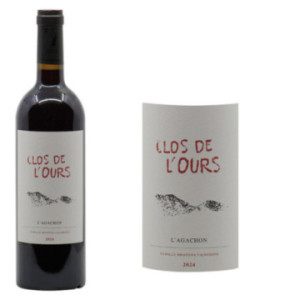
Côtes de Provence Rouge "L'Agachon" 2024
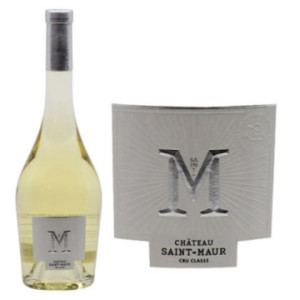
Côtes de Provence Cru Classé Blanc "Saint M" 2024
-
90
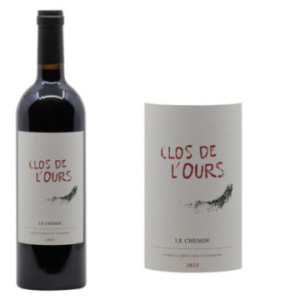
Côtes de Provence Rouge "Le Chemin" 2023
FAQ sur les rosés de Provence millésime 2025
Will Provence rosés 2025 be more fresh or sun-kissed in style?
The 2025 vintage should seek a balance between sun-driven ripeness and freshness. The best rosés will be those that retain tension, clean aromas and a dry palate despite the natural generosity of the Provence climate.
When should you drink a Provence rosé 2025?
Most Provence rosés 2025 should be enjoyed between spring 2026 and summer 2027. More structured cuvées or those from quality terroirs can be kept longer, often until 2028 or 2029 depending on the style.
At what temperature should Provence rosés 2025 be served?
Serve them generally between 8 and 10 °C. For gastronomic cuvées, a slightly higher temperature, around 10 to 12 °C, helps reveal the floral, saline and spicy aromas more fully.
Can Provence rosés 2025 accompany a meal?
Yes. Beyond the aperitif, they pair very well with grilled fish, sun-ripened vegetables, Mediterranean salads, Provençal cuisine, herb-seasoned white meats and certain lightly spiced dishes.
How should a bottle of Provence rosé 2025 be stored?
Store it lying down, in a cool, dark and stable place, away from light and temperature fluctuations. A cellar at around 12 °C is ideal for preserving the wine’s color, aromas and freshness.