



1 in stock
Château Jean Faure 2019
Bordeaux
Red Wine
Château Jean Faure
€60.00
/ 75 cl : Bottle
3 in stock
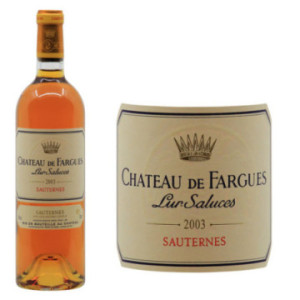
Château de Fargues Lur Saluces Sauternes 2003
Bordeaux
White Wine
Château de Fargues
€101.00
/ 75 cl : Bottle
3 in stock
- -10%
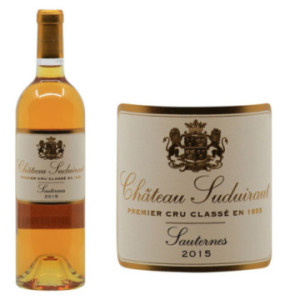
Château Suduiraut Sauternes 2015
Bordeaux
White Wine
Château Suduiraut
€76.00
€68.40
/ 75 cl : Bottle
6 in stock
- -10%
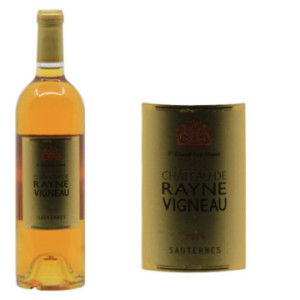
Château Rayne Vigneau Sauternes 2015
Bordeaux
White Wine
Château Rayne Vigneau
€49.00
€44.10
/ 75 cl : Bottle
6 in stock
- -10%
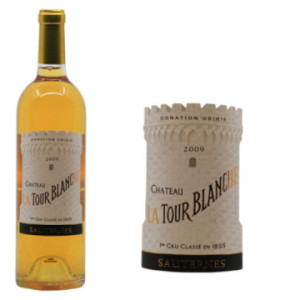
Château La Tour Blanche Sauternes 2009
Bordeaux
White Wine
Château la Tour Blanche
€69.00
€62.10
/ 75 cl : Bottle
4 in stock
- -10%
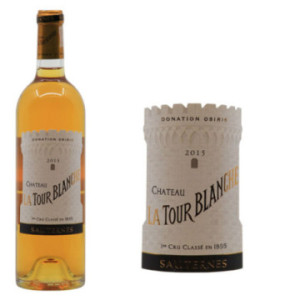
Château La Tour Blanche Sauternes 2015
Bordeaux
White Wine
Château la Tour Blanche
€54.00
€48.60
/ 75 cl : Bottle
3 in stock
- -10%
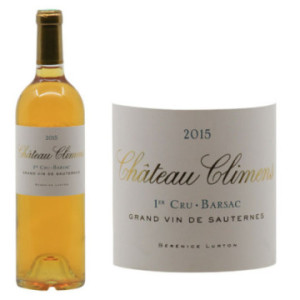
Château Climens Barsac 2015
Bordeaux
White Wine
Château Climens
€90.00
€81.00
/ 75 cl : Bottle
3 in stock
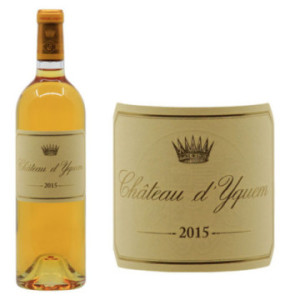
Château d'Yquem Sauternes 2015
Bordeaux
White Wine
Château d'Yquem
€522.00
/ 75 cl : Bottle
3 in stock
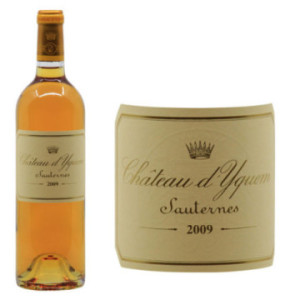
Château d'Yquem Sauternes 2009
Bordeaux
White Wine
Château d'Yquem
€630.00
/ 75 cl : Bottle
3 in stock
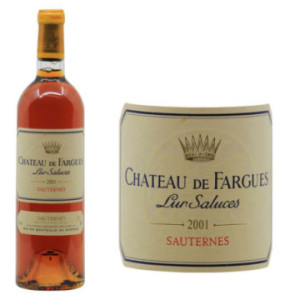
Château de Fargues Lur Saluces Sauternes 2001
Bordeaux
White Wine
Château de Fargues
€198.00
/ 75 cl : Bottle
2 in stock
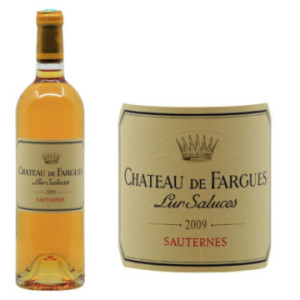
Château de Fargues Lur Saluces Sauternes 2009
Bordeaux
White Wine
Château de Fargues
€162.00
/ 75 cl : Bottle

2 in stock
- -10%
-

Vin de France "Closerie Saint Roc - Les... 2020
Bordeaux
Red Wine
Closerie Saint Roc
€55.00
€49.50
/ 75 cl : Bottle

1 in stock
Château de Fargues Lur Saluces Sauternes 1997
Bordeaux
White Wine
Château de Fargues
€101.00
/ 75 cl : Bottle
3 in stock
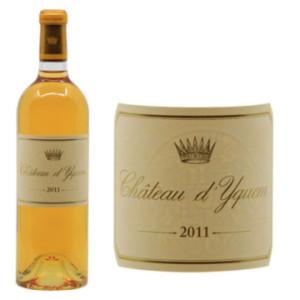
Château d'Yquem Sauternes 2011
Bordeaux
White Wine
Château d'Yquem
€522.00
/ 75 cl : Bottle
2 in stock
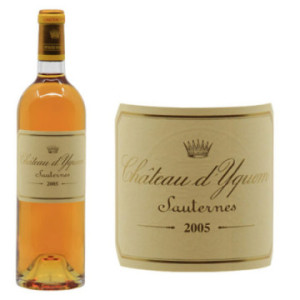
Château d'Yquem Sauternes 2005
Bordeaux
White Wine
Château d'Yquem
€702.00
/ 75 cl : Bottle

1 in stock
Vin de France "Barthélemy" 2022
Bordeaux
Red Wine
Le Puy
€114.00
/ 75 cl : Bottle

Vin de France "Emilien" 2022
Bordeaux
Red Wine
Le Puy
€36.00
/ 75 cl : Bottle

3 in stock
- -10%
-
Vin de France "Emilien" 2020
Bordeaux
Red Wine
Le Puy
€82.00
€73.80
/ 150 cl : Magnum

1 in stock
- -10%
-
Vin de France "Closerie Saint Roc - Les... 2020
Bordeaux
Red Wine
Closerie Saint Roc
€70.00
€63.00
/ 75 cl : Bottle

2 in stock
- -10%
-
Vin de France "Retour des Iles" 2018
Bordeaux
Red Wine
Le Puy
€342.00
€307.80
/ 75 cl : Bottle
1 in stock
- -10%
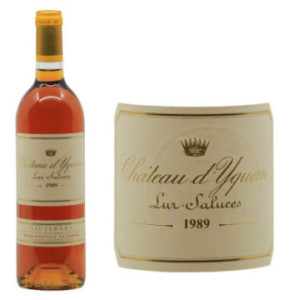
Château d'Yquem Sauternes 1989
Bordeaux
White Wine
Château d'Yquem
€810.00
€729.00
/ 75 cl : Bottle

100% of the wines
in stock

All our wines
sold individually

Loyalty rewarded
5% discount

Free delivery from 300€
in 48/72h (for France)
